100% Original, Ready to Ship!

Global Industrial Automation Trends 2026: AI, Edge Computing, And Smart Factory Transformation
Introduction
The global industrial automation market in 2026 is experiencing rapid transformation driven by artificial intelligence, edge computing, robotics, and digital manufacturing technologies. Industries are increasingly adopting smart factory concepts to improve efficiency, reduce costs, and enhance operational resilience.
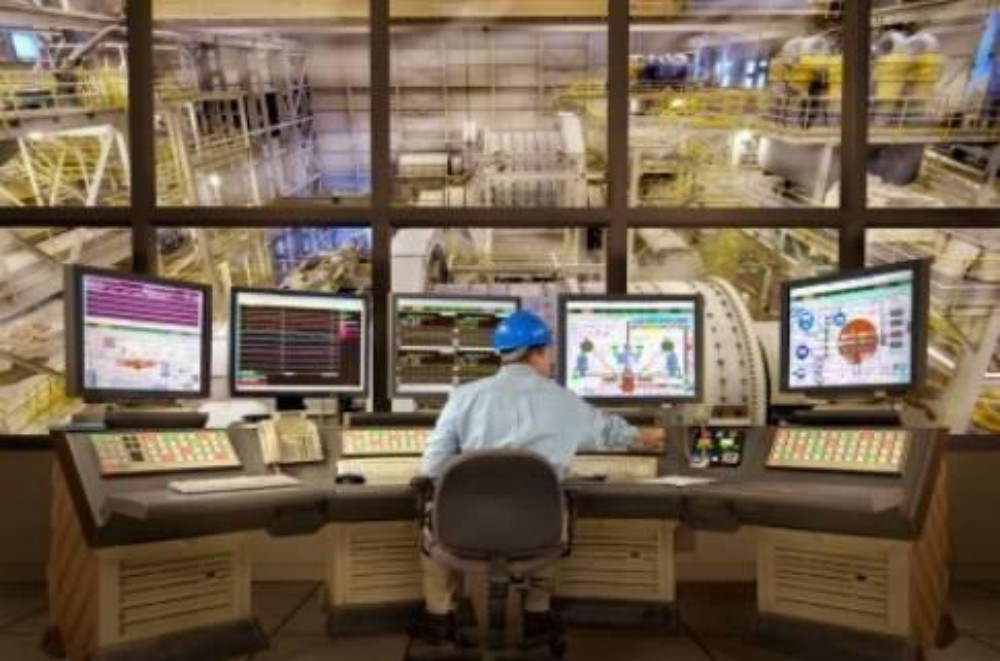
Automation technologies such as PLCs, DCS, SCADA, and industrial IoT systems are now converging into unified digital ecosystems.
AI-Driven Predictive Maintenance Becomes Standard
One of the most important trends in industrial automation is the widespread adoption of AI-powered predictive maintenance systems.
These systems analyze real-time sensor data to detect early signs of equipment failure. Instead of relying on fixed maintenance schedules, factories can now predict failures before they occur.
Benefits include:
- Up to 50% reduction in unplanned downtime
- Extended equipment lifespan
- Lower maintenance costs
- Improved production stability
AI is increasingly integrated into major automation platforms from global vendors such as Siemens, ABB, and Rockwell Automation.
Edge Computing Transforms Industrial Control
Edge computing is another major trend reshaping automation systems. By processing data directly on-site, near machines and PLCs, industries can significantly reduce latency and improve decision-making speed.
Edge systems enable:
- Real-time production optimization
- Localized AI processing
- Reduced dependency on cloud infrastructure
- Improved system reliability in remote environments
This shift is especially important in industries requiring real-time control such as energy, manufacturing, and transportation.
Integration of Robotics and PLC Systems
Modern factories are increasingly combining robotics with traditional PLC-controlled systems. Collaborative robots (cobots) are now widely deployed alongside human operators, improving flexibility and productivity.
Key developments include:
- AI-powered robotic programming
- No-code or low-code automation tools
- Seamless PLC-robot communication
- Flexible manufacturing line reconfiguration
This integration supports high-mix, low-volume production models common in automotive and electronics manufacturing.
Cybersecurity Challenges in Industrial Systems
As industrial networks become more connected, cybersecurity risks continue to increase. Industrial control systems are now common targets for cyberattacks due to their integration with IT systems and cloud platforms.
Key security strategies include:
- Network segmentation between IT and OT
- Encrypted industrial communication protocols
- Continuous monitoring of control networks
- AI-based anomaly detection systems
Cybersecurity is now a core requirement in all modern automation projects.
Future Outlook of Industrial Automation
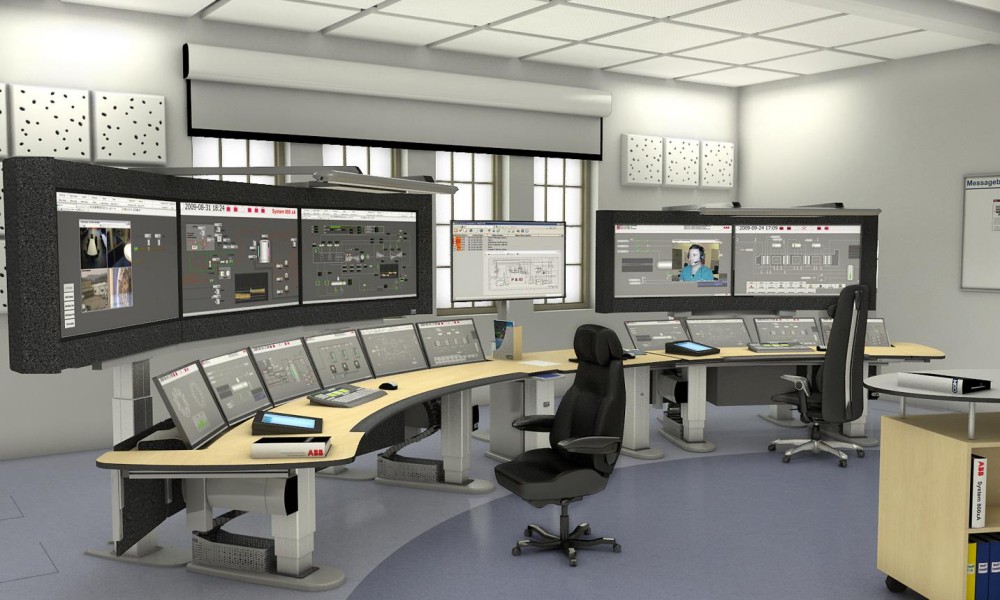
The future of industrial automation will be defined by the convergence of AI, robotics, and software-defined manufacturing systems. Traditional PLC-based systems are evolving into intelligent, connected platforms capable of self-optimization.
Key trends shaping the future:
- Autonomous production systems
- AI-generated control logic
- Fully digital twin-based factories
- Cloud-native industrial control platforms
Conclusion
Industrial automation in 2026 is entering a new era of intelligence and connectivity. Companies that adopt AI, edge computing, and integrated automation platforms will gain significant competitive advantages in global manufacturing markets.
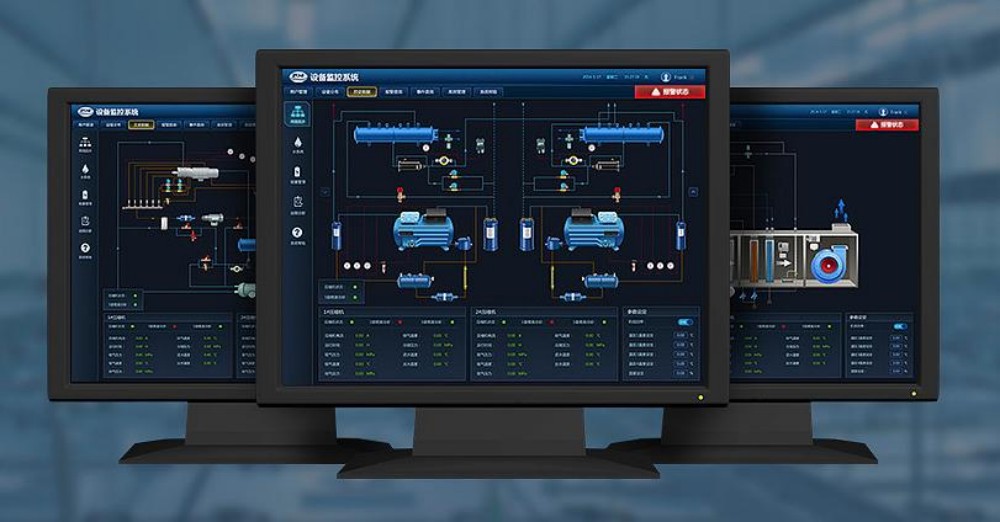 PLC And DCS Integration Becomes Key Technology Trend For Next Generation Industrial Automation Systems
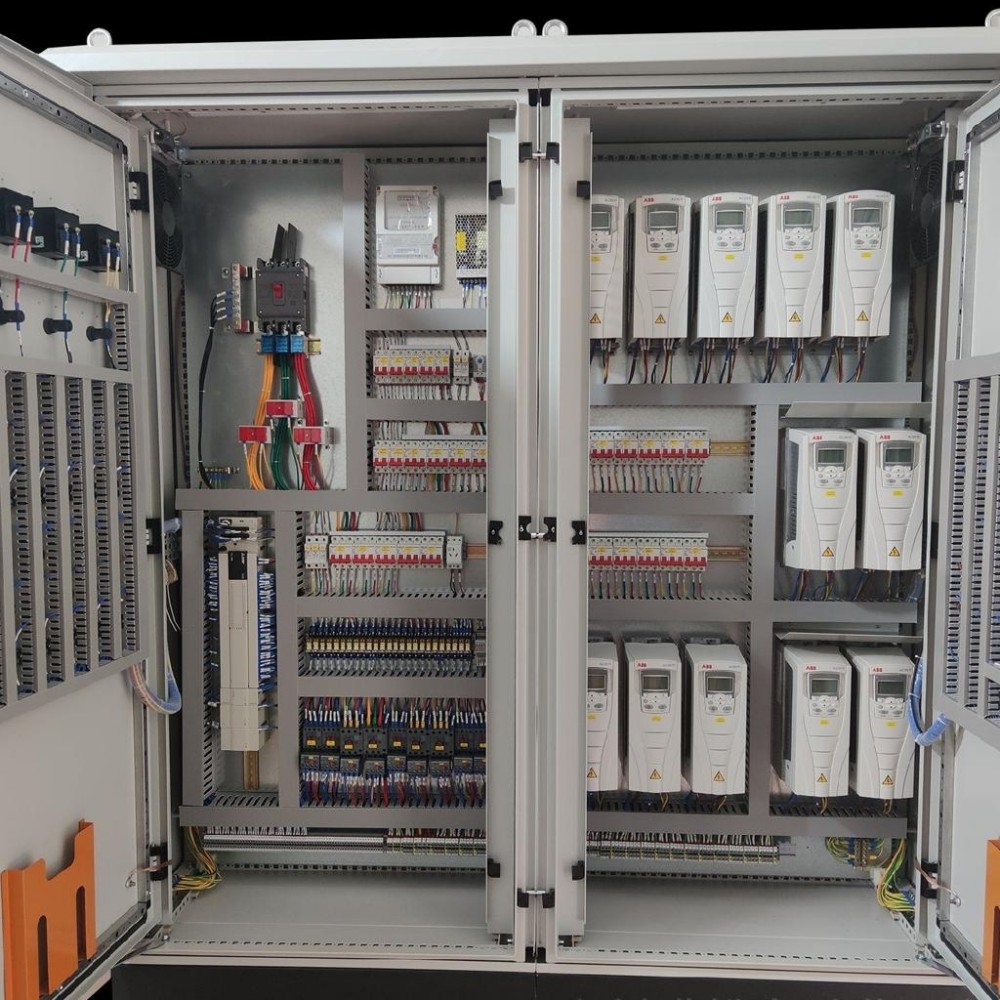 ABB Expands Industrial Automation Strategy With Advanced Electrification And Control Technology Development
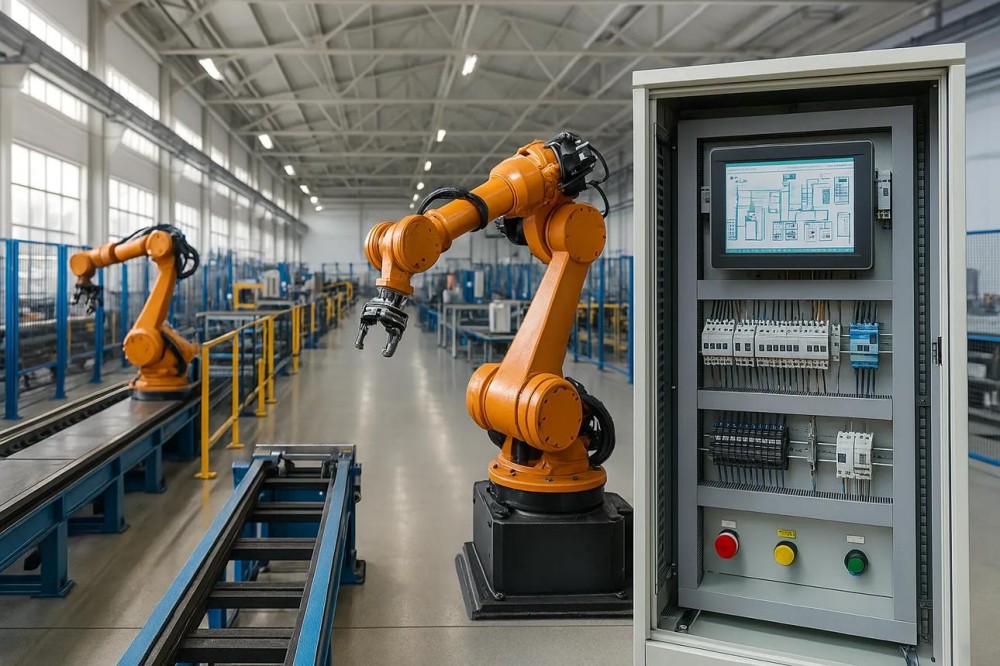 Industrial Automation Trends 2026: AI-Powered PLC And DCS Systems Accelerate Smart Factory Development
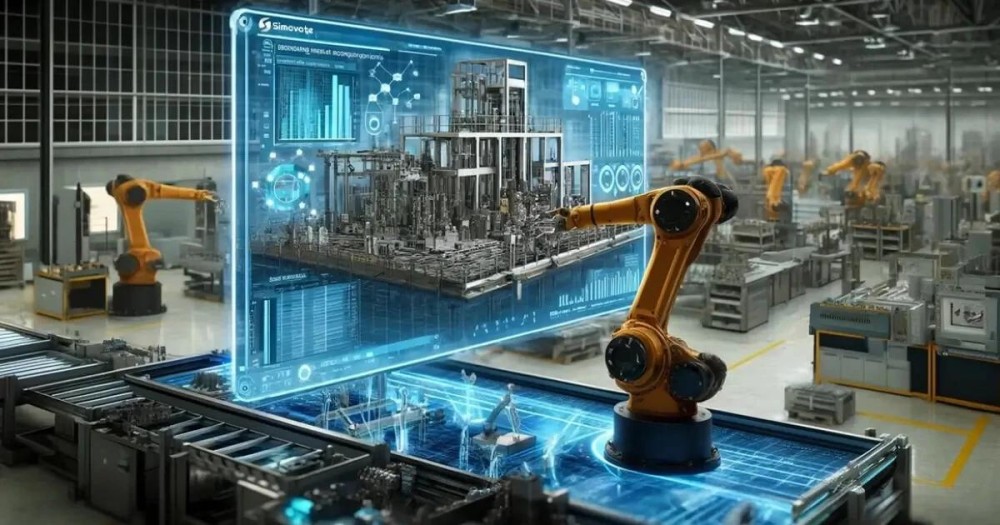 AI And Digital Twin Technologies Transform The Future Of Industrial Automation Systems