100% Original, Ready to Ship!

Schneider Electric Launches Open Software-Defined DCS, Accelerating Industrial Automation Transformation In 2026
Introduction
In 2026, Schneider Electric introduced a major innovation in industrial automation by launching an open, software-defined Distributed Control System (DCS). This development represents a significant shift from traditional hardware-centric control systems to a more flexible, software-driven architecture designed for modern industrial environments such as oil & gas, chemicals, power generation, and manufacturing plants.
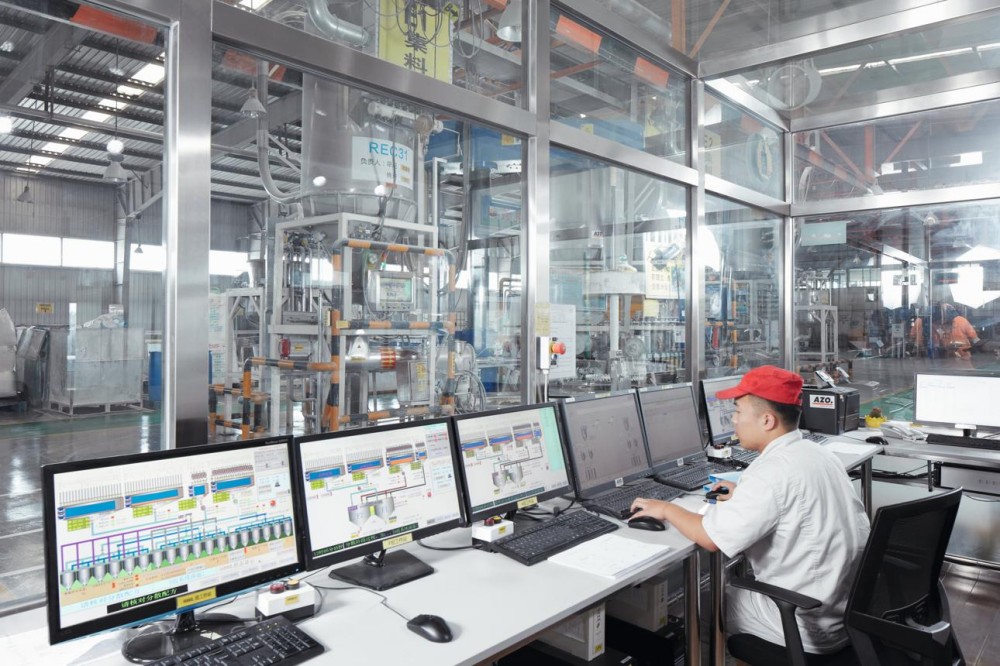
The new system is designed to help industries transition toward fully digital, scalable, and cyber-secure automation infrastructures while maintaining the reliability required in mission-critical operations.
A New Era of Software-Defined DCS Architecture
Traditional DCS platforms rely heavily on proprietary hardware and rigid architecture. Schneider Electric’s new approach decouples software from hardware, allowing plants to modernize without replacing entire control systems.
Key improvements include:
- Open architecture for easier integration with PLC, SCADA, and MES systems
- Software-defined control logic enabling faster configuration changes
- Enhanced cybersecurity embedded at the core of the system
- Improved real-time data analytics and edge computing capabilities
- Reduced downtime during system upgrades or expansion
This approach is especially valuable for large-scale process industries, where downtime costs can be extremely high.
Impact on PLC and Hybrid Automation Systems
While PLC systems remain essential for machine-level automation, the new DCS architecture strengthens integration between PLC and higher-level process control systems.
Benefits include:
- Seamless PLC–DCS communication
- Improved interoperability across multi-vendor systems
- Easier migration from legacy systems
- Reduced engineering workload for system integrators
This trend clearly shows that industrial automation is moving toward hybrid architectures combining PLC, DCS, and cloud-based control systems.

Industry Applications
The new system is particularly suitable for:
- Chemical processing plants
- Oil refineries and petrochemical industries
- Power generation stations
- Water treatment systems
- Large-scale manufacturing plants
Conclusion
The introduction of software-defined DCS marks a major milestone in industrial automation evolution. It reflects a broader industry trend toward open systems, digital transformation, and intelligent process control.
As industrial companies continue modernizing their operations, solutions like Schneider Electric’s DCS will play a critical role in shaping the future of automation.
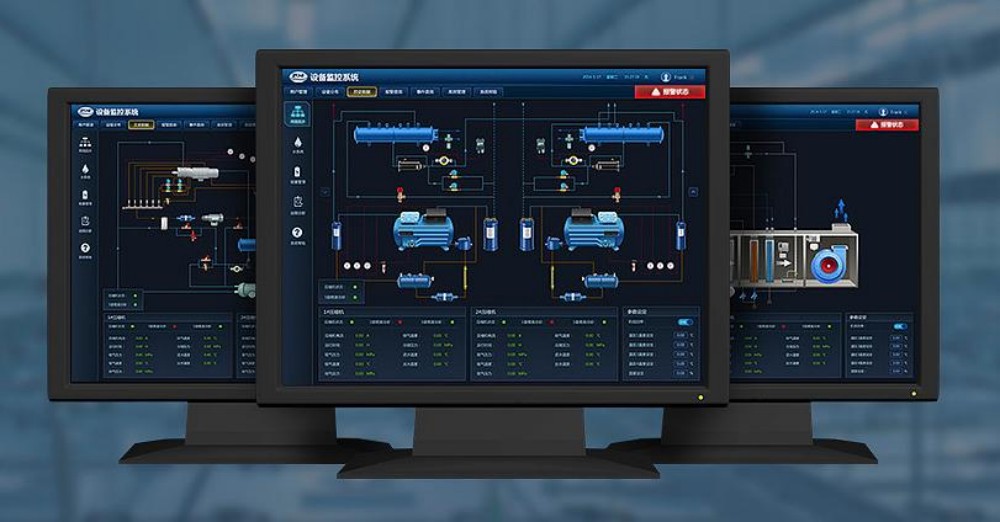 PLC And DCS Integration Becomes Key Technology Trend For Next Generation Industrial Automation Systems
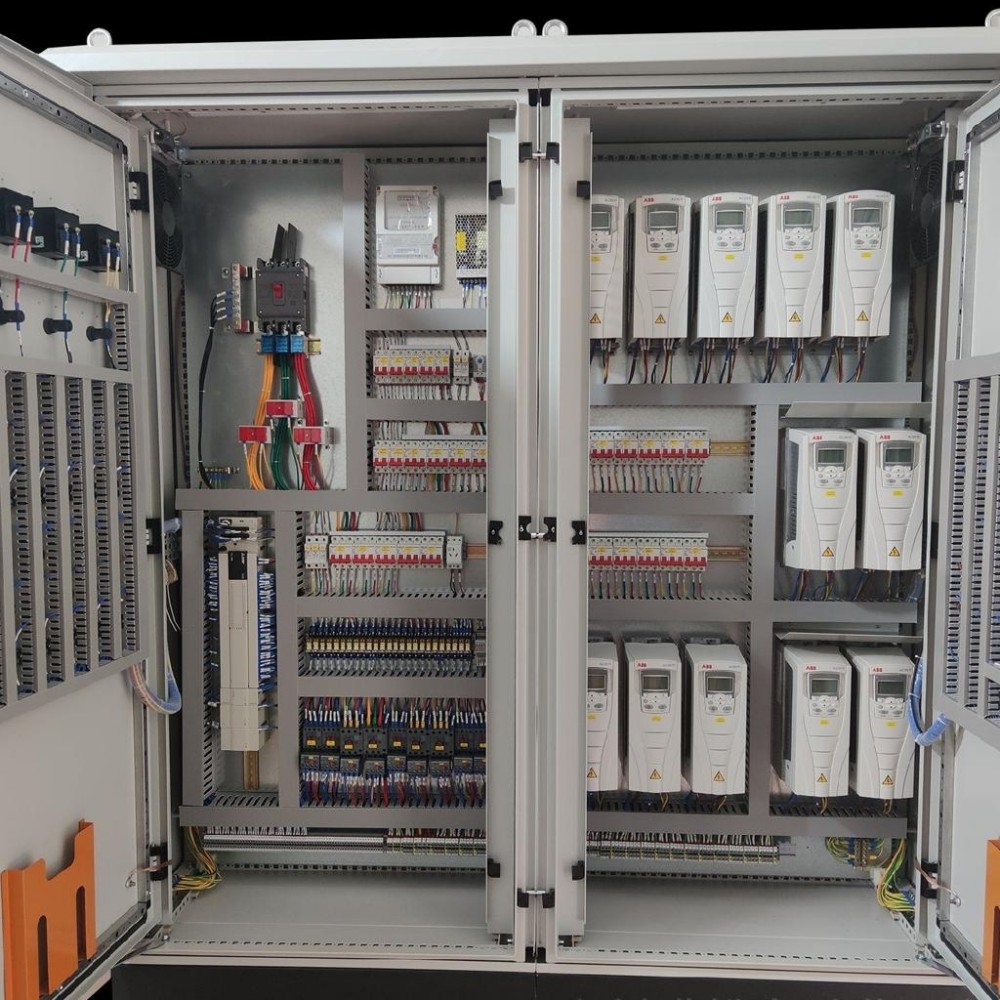 ABB Expands Industrial Automation Strategy With Advanced Electrification And Control Technology Development
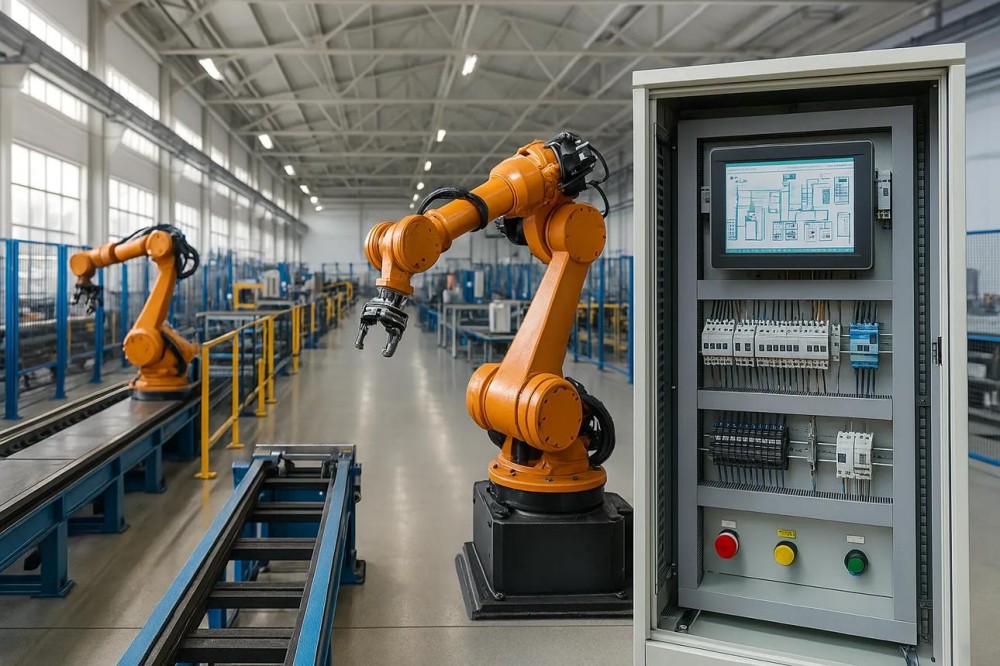 Industrial Automation Trends 2026: AI-Powered PLC And DCS Systems Accelerate Smart Factory Development
 AI And Digital Twin Technologies Transform The Future Of Industrial Automation Systems