100% Original, Ready to Ship!

Rockwell Automation Advances Industrial Digital Transformation With Connected Factory Solutions
The global manufacturing industry is accelerating digital transformation as companies search for more efficient, flexible, and intelligent production methods. Rockwell Automation continues to develop connected factory solutions that combine industrial automation, software platforms, and advanced data technologies.
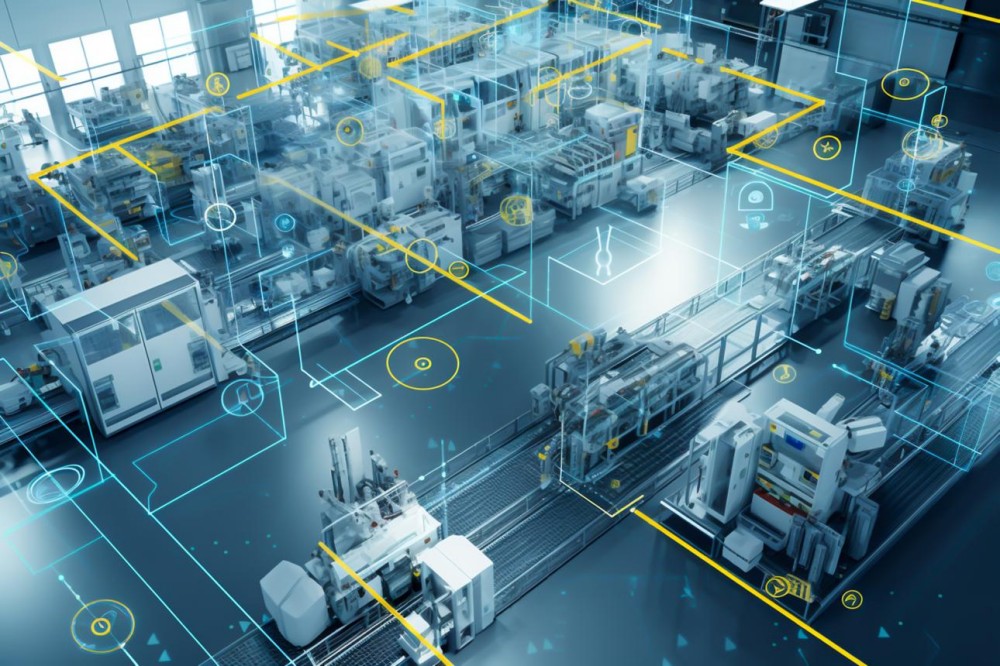
Manufacturers today require automation systems that provide not only reliable machine control but also real-time production information. Modern PLC controllers, industrial networks, and manufacturing software are becoming essential tools for improving operational efficiency.
Connected factory technology allows different industrial devices, including PLC systems, sensors, motor drives, and monitoring platforms, to communicate seamlessly. This creates a more transparent production environment where operators can quickly identify problems and optimize processes.
One of the biggest advantages of digital automation is improved equipment performance monitoring. By collecting data from industrial machines, companies can analyze operating conditions and identify potential failures before they impact production.
Predictive maintenance has become a key application of industrial automation. Instead of waiting for equipment breakdowns, manufacturers can use real-time data analysis to schedule maintenance activities more effectively. This approach helps reduce downtime and extend equipment service life.
The development of industrial IoT technology is also changing traditional factory management. Connected automation systems allow production managers to monitor manufacturing performance remotely and make faster decisions based on accurate operational data.
In industries such as automotive, electronics, packaging, and consumer goods manufacturing, flexible automation has become increasingly important. Companies need production systems that can quickly adapt to changing product requirements and market demand.
PLC technology remains a fundamental element of these advanced automation solutions. High-performance controllers provide precise machine control while supporting communication with modern industrial software platforms.
Industrial cybersecurity is another important focus area as factories become more connected. Protecting automation networks and industrial control systems is essential for maintaining safe and reliable production operations.
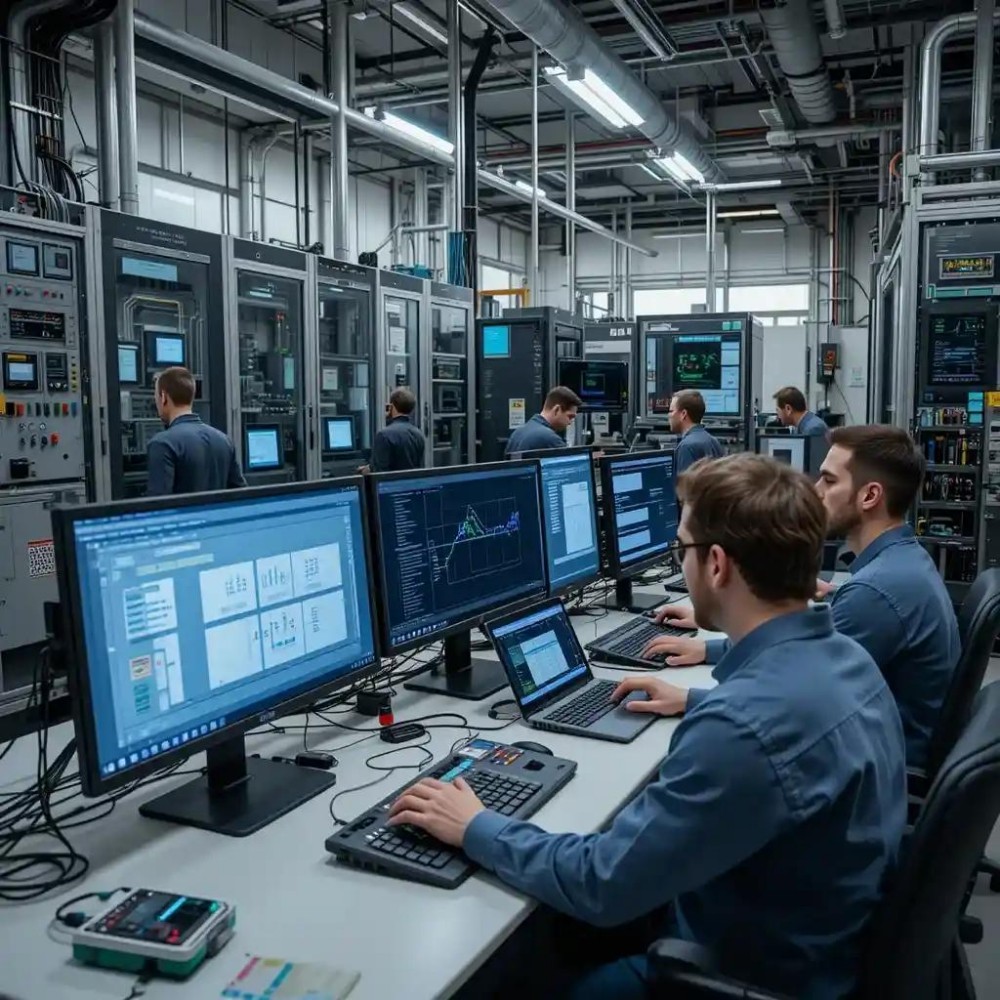
The continued growth of smart manufacturing is creating strong demand for advanced automation products and services. Companies that successfully implement digital factory strategies can improve productivity, reduce operating costs, and achieve higher levels of manufacturing flexibility.
As industrial automation continues to evolve, connected factory technologies will play a major role in shaping the future of global manufacturing. The integration of PLC control, industrial IoT, and intelligent software will help industries build more efficient and sustainable production systems.
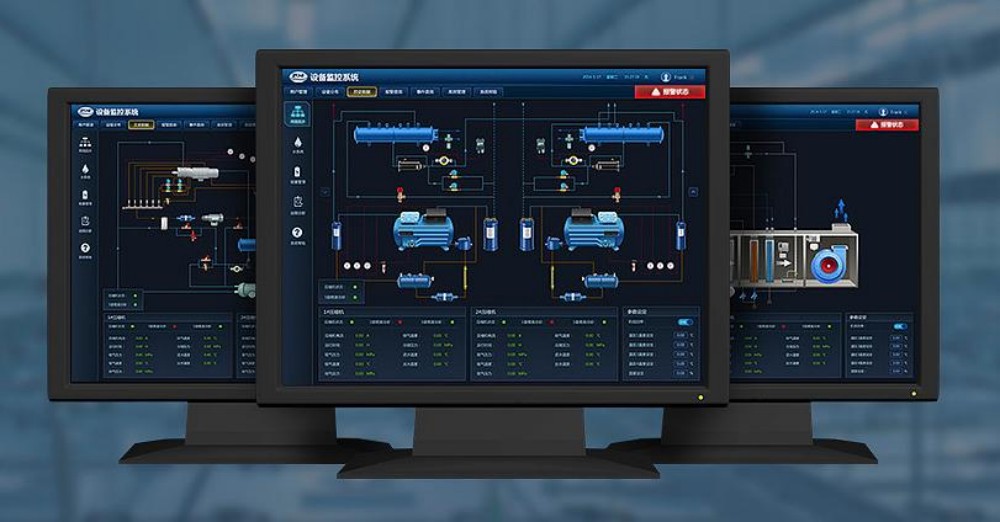 PLC And DCS Integration Becomes Key Technology Trend For Next Generation Industrial Automation Systems
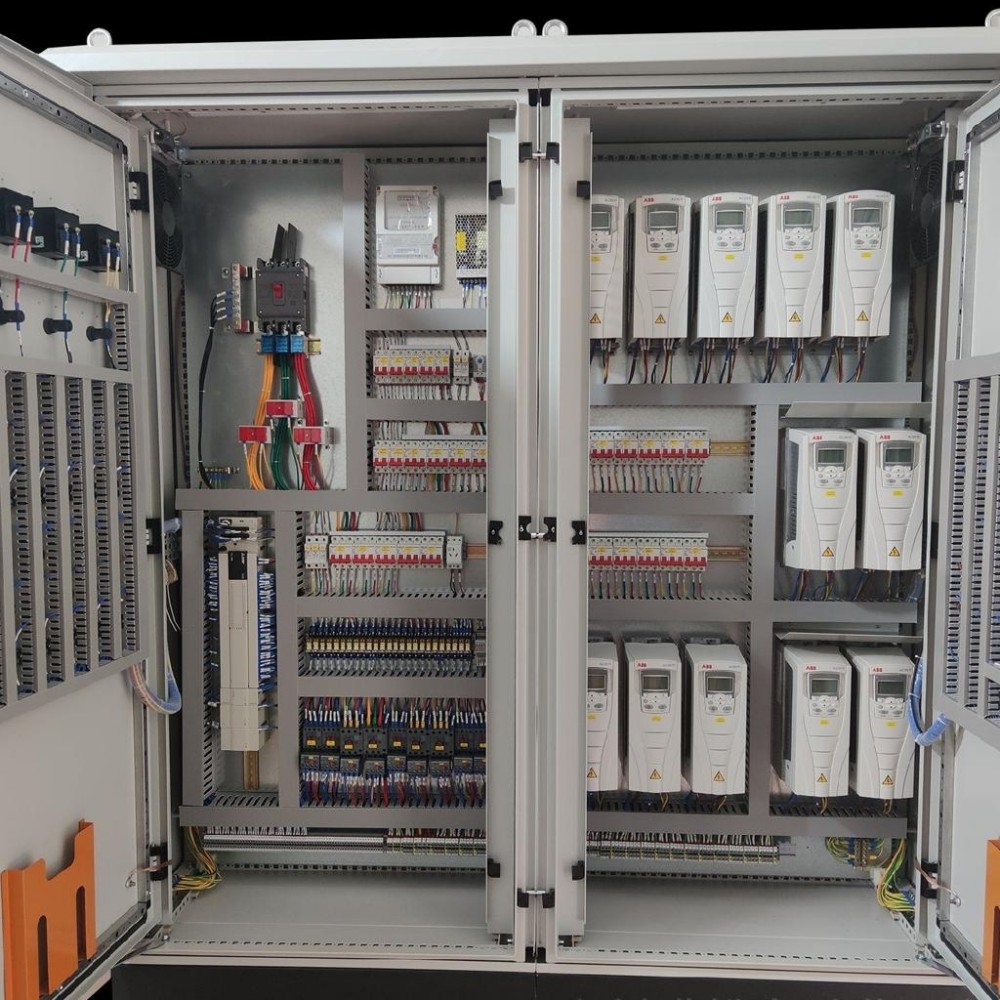 ABB Expands Industrial Automation Strategy With Advanced Electrification And Control Technology Development
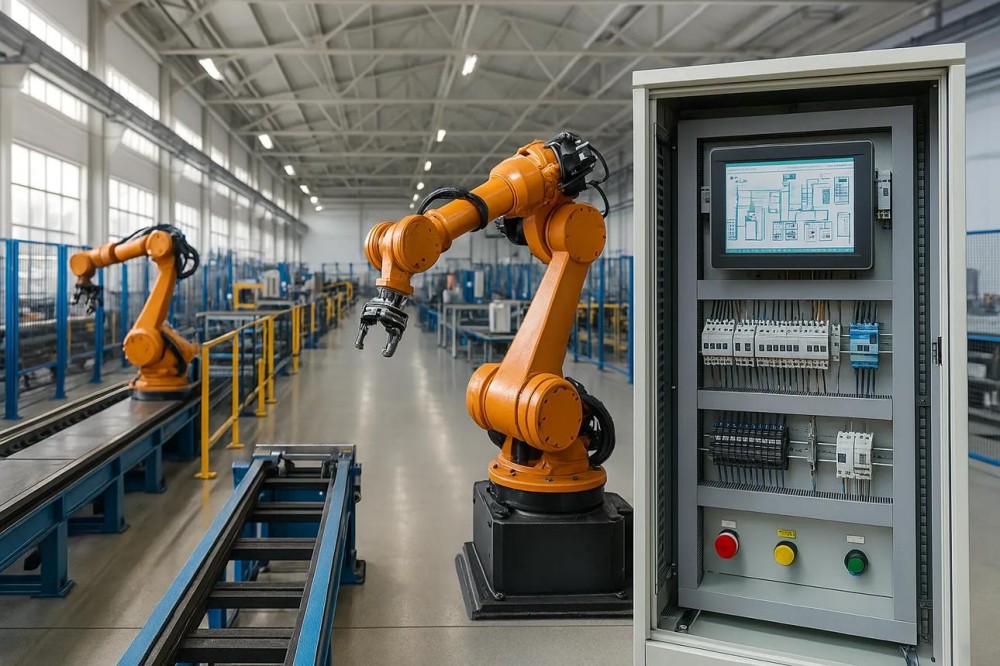 Industrial Automation Trends 2026: AI-Powered PLC And DCS Systems Accelerate Smart Factory Development
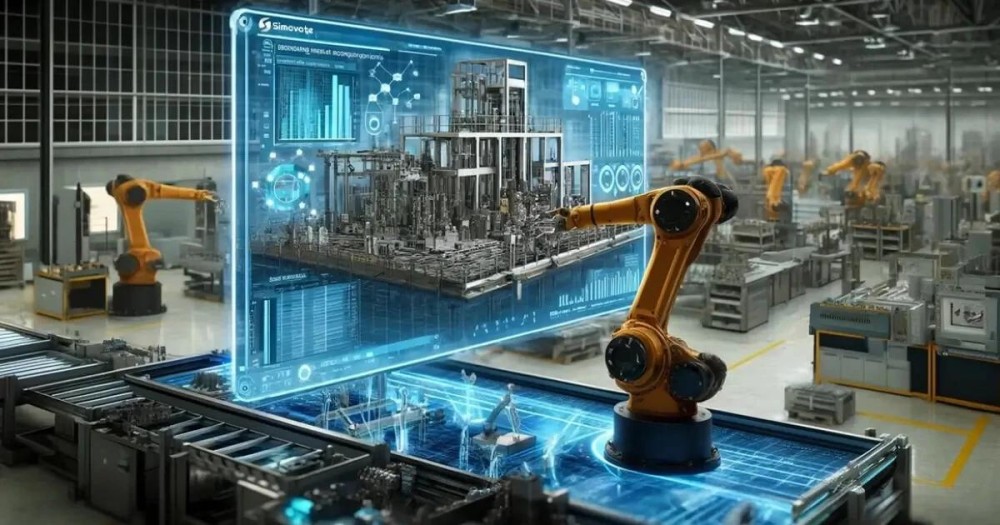 AI And Digital Twin Technologies Transform The Future Of Industrial Automation Systems