100% Original, Ready to Ship!

Siemens Advances Industrial Automation With AI-Powered Engineering Solutions For Smart Manufacturing
The global industrial automation industry is experiencing a major transformation as artificial intelligence becomes increasingly integrated into PLC programming, engineering design, and smart manufacturing systems. Siemens is expanding the application of AI technology in industrial environments, helping manufacturers improve automation efficiency, reduce engineering complexity, and accelerate digital transformation.
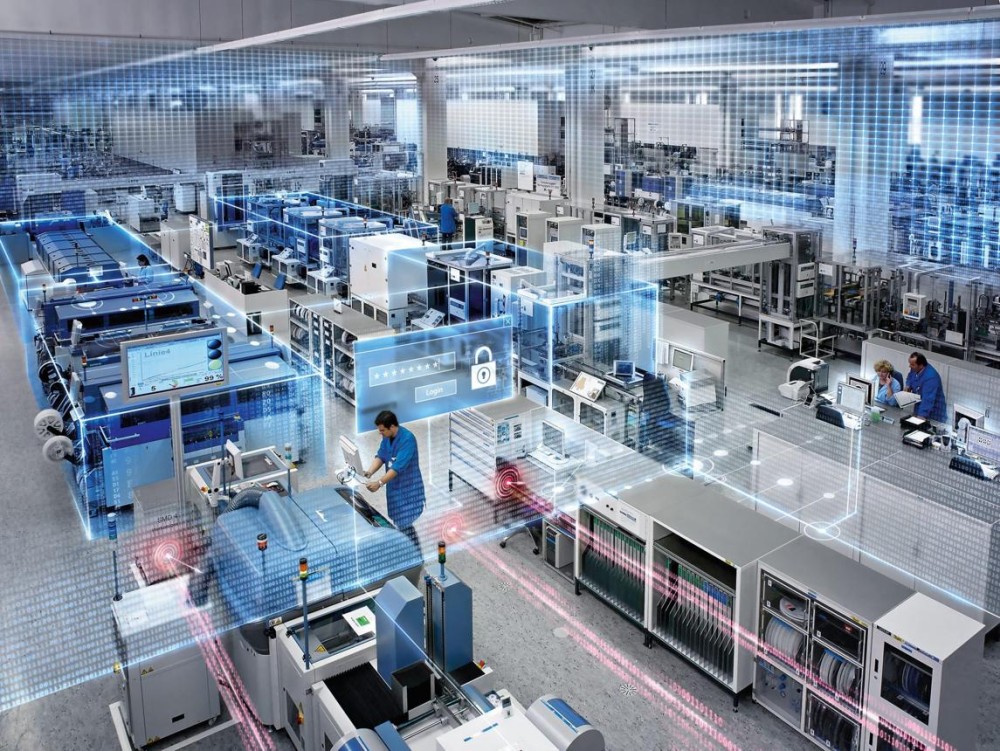
For many years, PLC programming and automation engineering have depended heavily on manual configuration, testing, and optimization processes. Engineers often spend significant time creating control logic, configuring hardware systems, and troubleshooting industrial equipment. The introduction of AI-assisted engineering technologies is changing this traditional workflow by providing intelligent support throughout automation projects.
Modern AI-powered automation solutions can assist engineers with system configuration, software development, machine optimization, and operational analysis. By combining artificial intelligence with industrial automation software, manufacturers can shorten project development cycles and improve the reliability of production systems.
For companies using PLC controllers, remote I/O modules, industrial communication systems, and DCS platforms, AI technology provides new opportunities to enhance existing automation infrastructure. Intelligent engineering tools allow automation teams to identify potential problems faster, optimize control strategies, and improve overall equipment performance.
The development of AI-driven automation is closely connected with the growth of Industry 4.0. Modern factories require more than traditional control systems. They need intelligent automation platforms capable of collecting industrial data, analyzing production processes, and supporting better decision-making.
Smart manufacturing technologies are becoming increasingly important in industries such as automotive production, semiconductor manufacturing, energy, chemical processing, and logistics. These industries rely on advanced PLC systems and industrial control solutions to maintain high productivity and stable operation.
Another important trend in industrial automation is the combination of AI technology with predictive maintenance. By analyzing equipment data collected from sensors and control systems, manufacturers can detect abnormal conditions before equipment failures occur. This helps reduce unexpected downtime and lower maintenance costs.
Cybersecurity is also becoming a key consideration as industrial automation systems become more connected. Modern factories require secure communication between PLC controllers, DCS systems, field devices, and enterprise platforms to ensure safe and reliable operation.
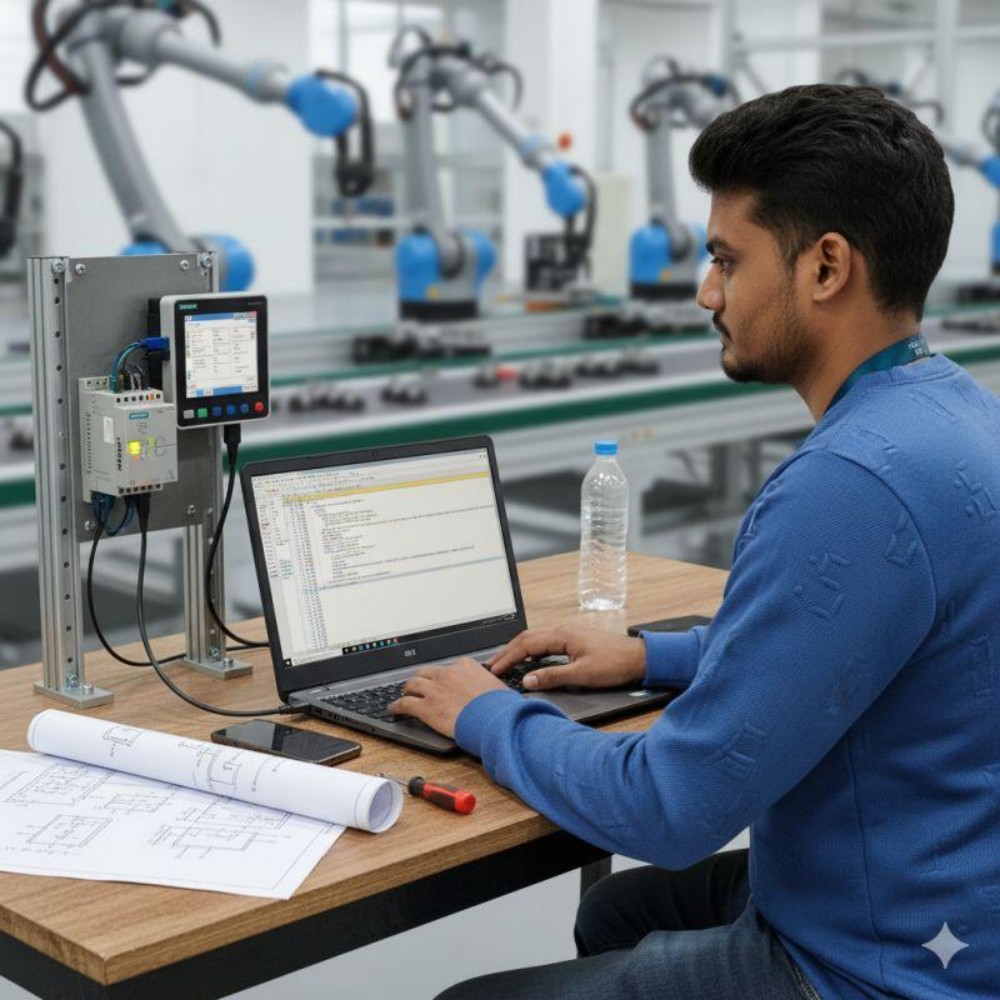
The integration of artificial intelligence into industrial automation represents a significant step toward the future of smart factories. As manufacturing companies continue upgrading their automation systems, AI-assisted engineering, intelligent PLC programming, and digital control technologies will play an increasingly important role in improving industrial efficiency.
For global automation users, these developments create new opportunities to modernize production facilities and achieve higher levels of automation performance. The future of industrial manufacturing will depend on the combination of reliable automation hardware, intelligent software, and advanced digital technologies.
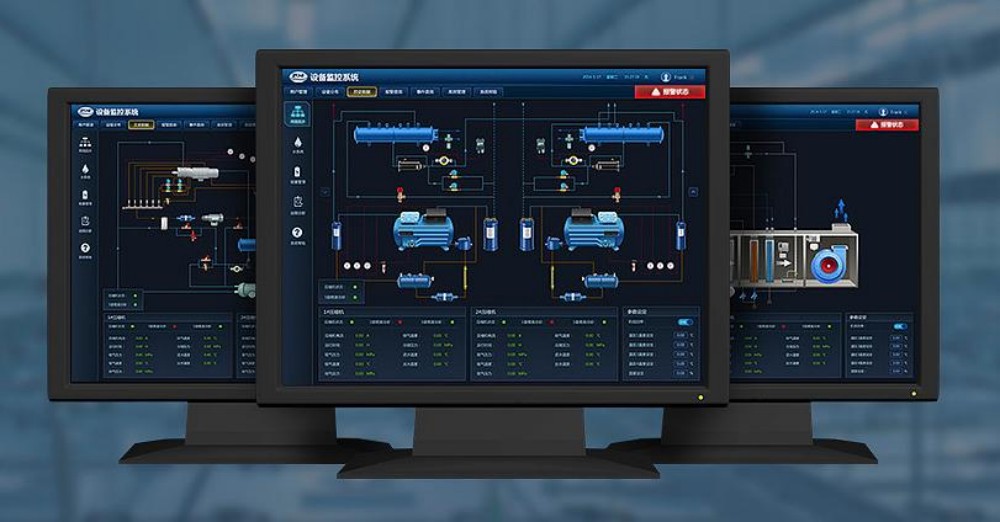 PLC And DCS Integration Becomes Key Technology Trend For Next Generation Industrial Automation Systems
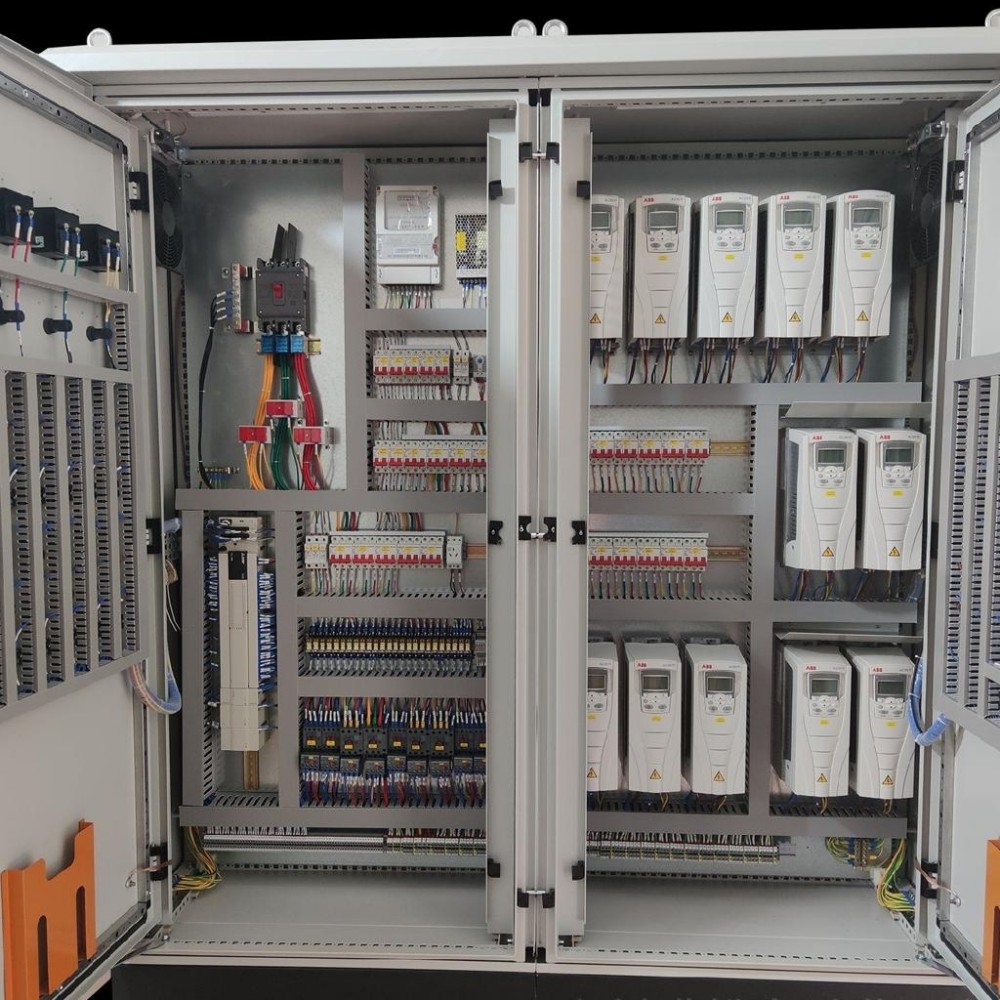 ABB Expands Industrial Automation Strategy With Advanced Electrification And Control Technology Development
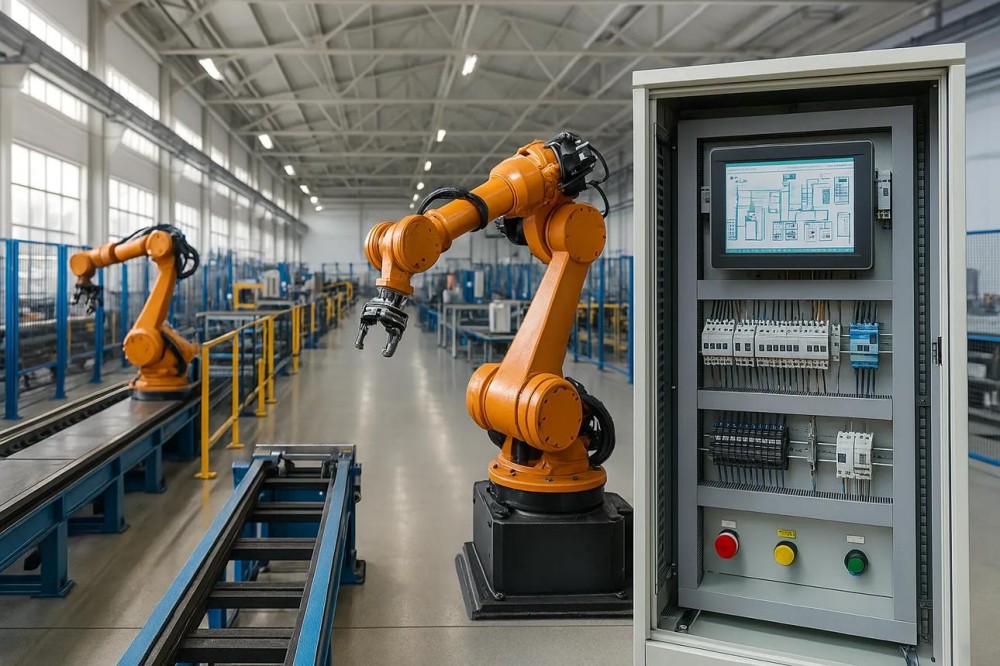 Industrial Automation Trends 2026: AI-Powered PLC And DCS Systems Accelerate Smart Factory Development
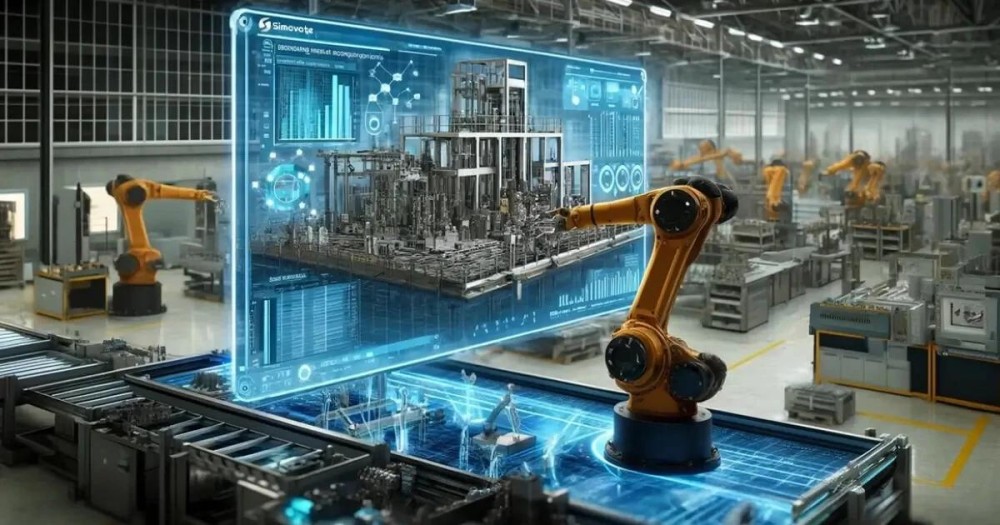 AI And Digital Twin Technologies Transform The Future Of Industrial Automation Systems