100% Original, Ready to Ship!

Industrial Automation AI Technology Advances In 2026: PLC, DCS And Smart Factory Systems Enter A New Era
The industrial automation industry is experiencing a major transformation in 2026 as artificial intelligence, industrial software, and advanced control technologies become deeply integrated into modern manufacturing environments. Traditional PLC and DCS systems are evolving from simple control platforms into intelligent automation solutions capable of analyzing data, optimizing production processes, and improving operational efficiency.
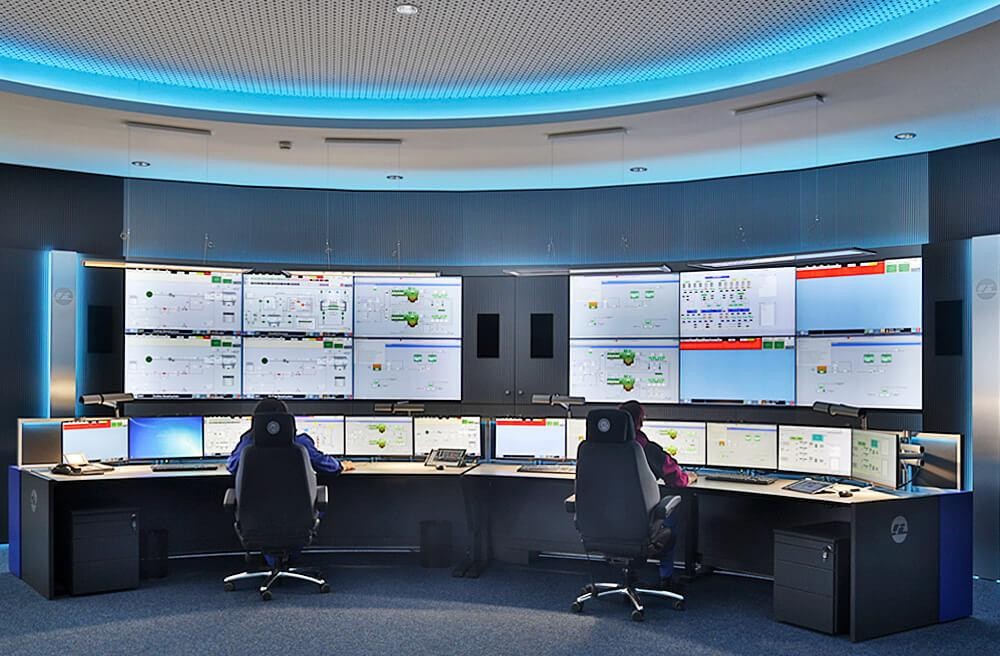
For decades, Programmable Logic Controllers (PLCs) have been the foundation of industrial automation, providing reliable control for manufacturing equipment, production lines, and process systems. Today, PLC technology is becoming more intelligent through integration with industrial networks, edge computing platforms, and AI-based analysis tools.
Distributed Control Systems (DCS) also continue to play a critical role in industries such as oil and gas, chemical processing, power generation, water treatment, and pharmaceutical manufacturing. Modern DCS platforms are increasingly adopting intelligent functions to improve process stability, energy efficiency, and predictive maintenance capabilities.
One of the most important trends in industrial automation is the combination of artificial intelligence and traditional control technology. AI-powered automation systems can analyze large amounts of production data collected from sensors, PLC modules, industrial controllers, and monitoring systems. By identifying abnormal operating conditions, these technologies help companies prevent unexpected equipment failures and reduce production downtime.
Digital twin technology is another important development shaping the future of smart manufacturing. By creating virtual models of machines and production processes, engineers can simulate operations, optimize control strategies, and improve automation system design before implementing physical changes.
Industrial communication technologies are also advancing rapidly. Ethernet-based industrial networks, OPC UA communication, and edge computing solutions allow PLC controllers, remote I/O modules, sensors, and enterprise software platforms to exchange information faster and more efficiently.
For industrial companies and automation engineers, these changes create new opportunities and challenges. Customers are no longer looking only for individual automation components such as PLC processors, input/output modules, control boards, and sensors. They increasingly require complete automation solutions that improve reliability, productivity, and long-term operational performance.
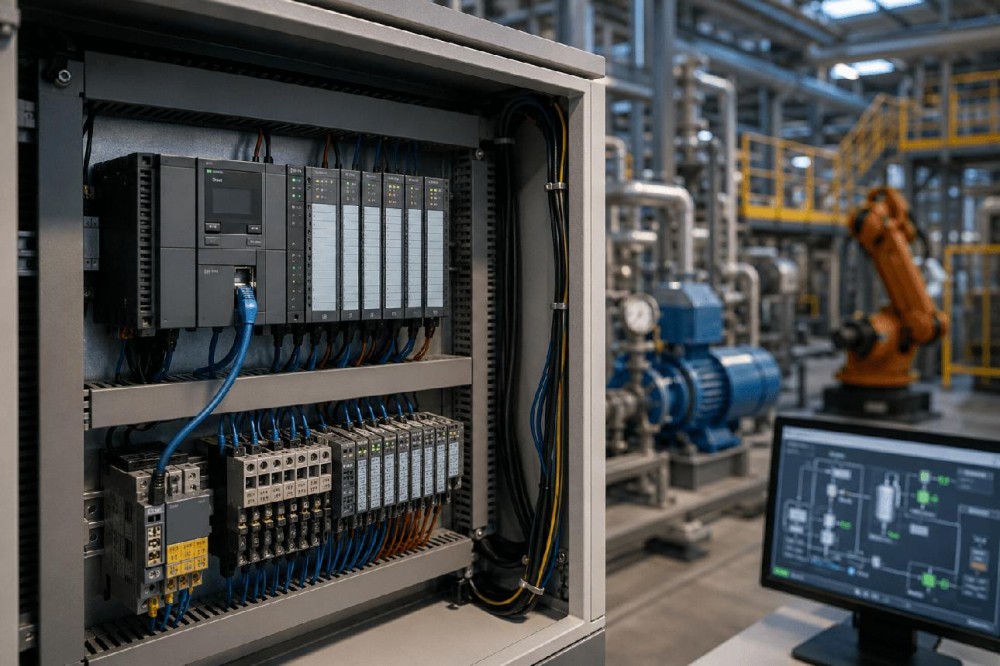
The future of industrial automation will be driven by the integration of PLC systems, DCS platforms, robotics, artificial intelligence, and advanced data technologies. Smart factories will become more flexible, efficient, and intelligent as automation systems continue evolving.
With global manufacturers accelerating digital transformation projects, intelligent automation will remain one of the most important technologies influencing the future of industrial production.
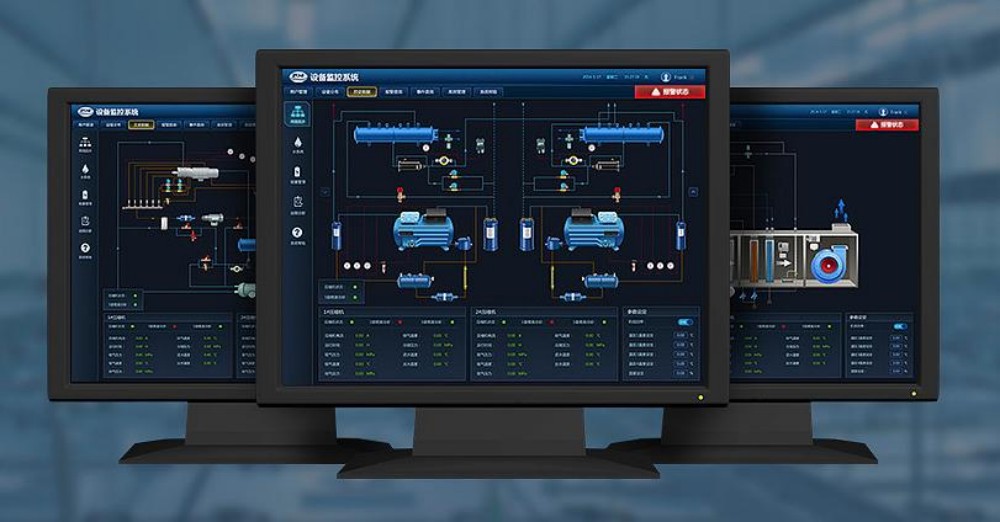 PLC And DCS Integration Becomes Key Technology Trend For Next Generation Industrial Automation Systems
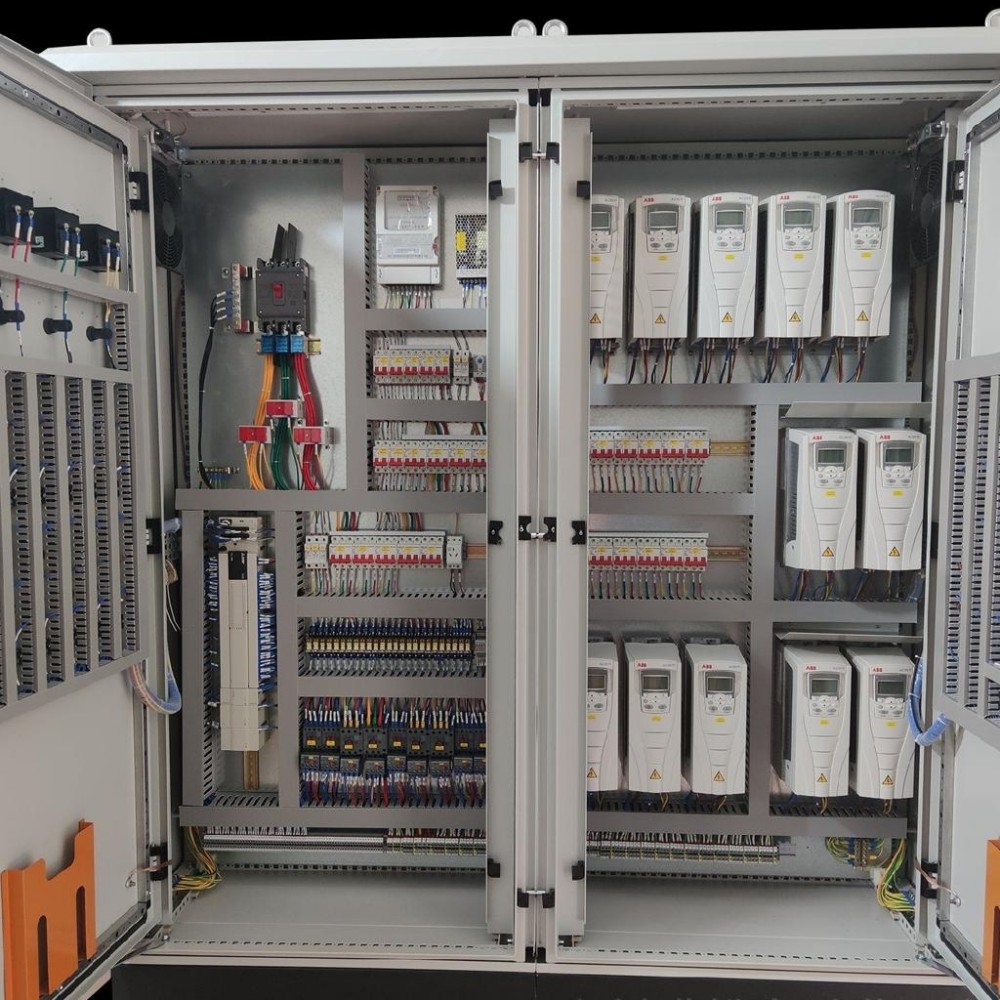 ABB Expands Industrial Automation Strategy With Advanced Electrification And Control Technology Development
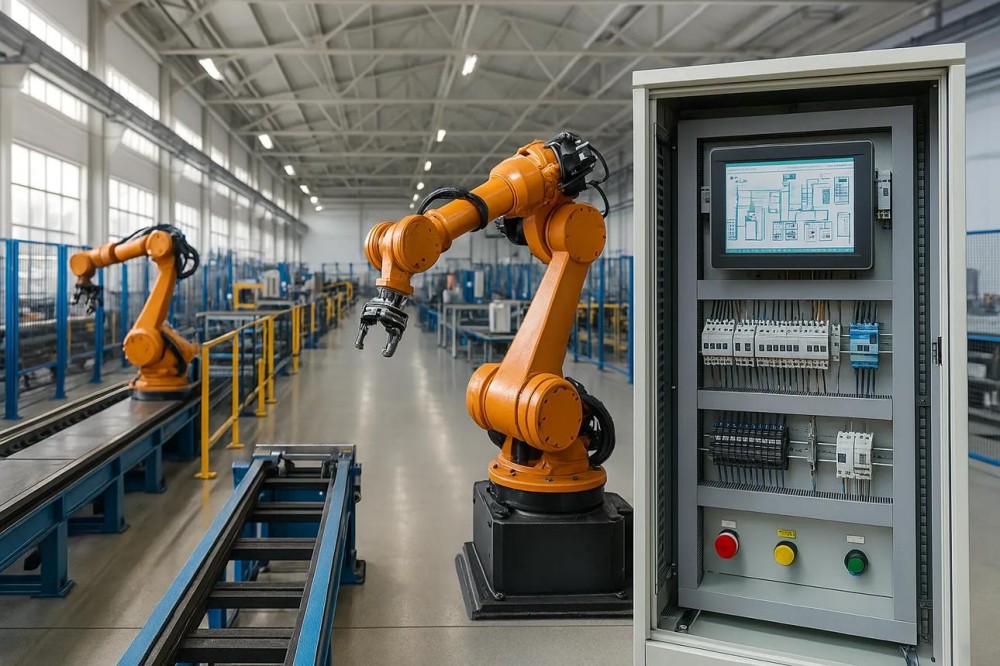 Industrial Automation Trends 2026: AI-Powered PLC And DCS Systems Accelerate Smart Factory Development
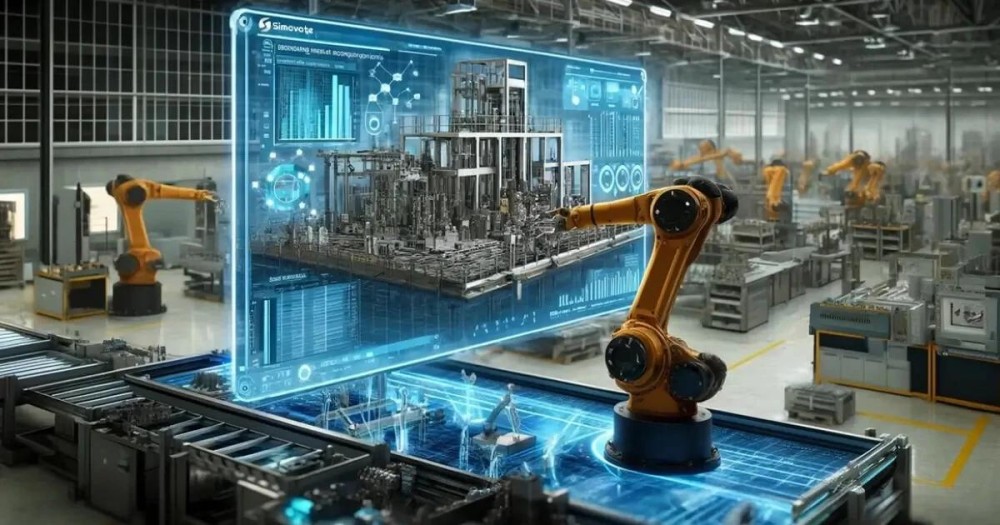 AI And Digital Twin Technologies Transform The Future Of Industrial Automation Systems