100% Original, Ready to Ship!

Artificial Intelligence And Industrial Automation Integration Accelerate The Development Of Smart Manufacturing
The integration of artificial intelligence (AI) with industrial automation is becoming one of the most important trends shaping the future of manufacturing. Companies worldwide are adopting intelligent technologies to improve production efficiency, optimize industrial processes, and create more flexible manufacturing systems.
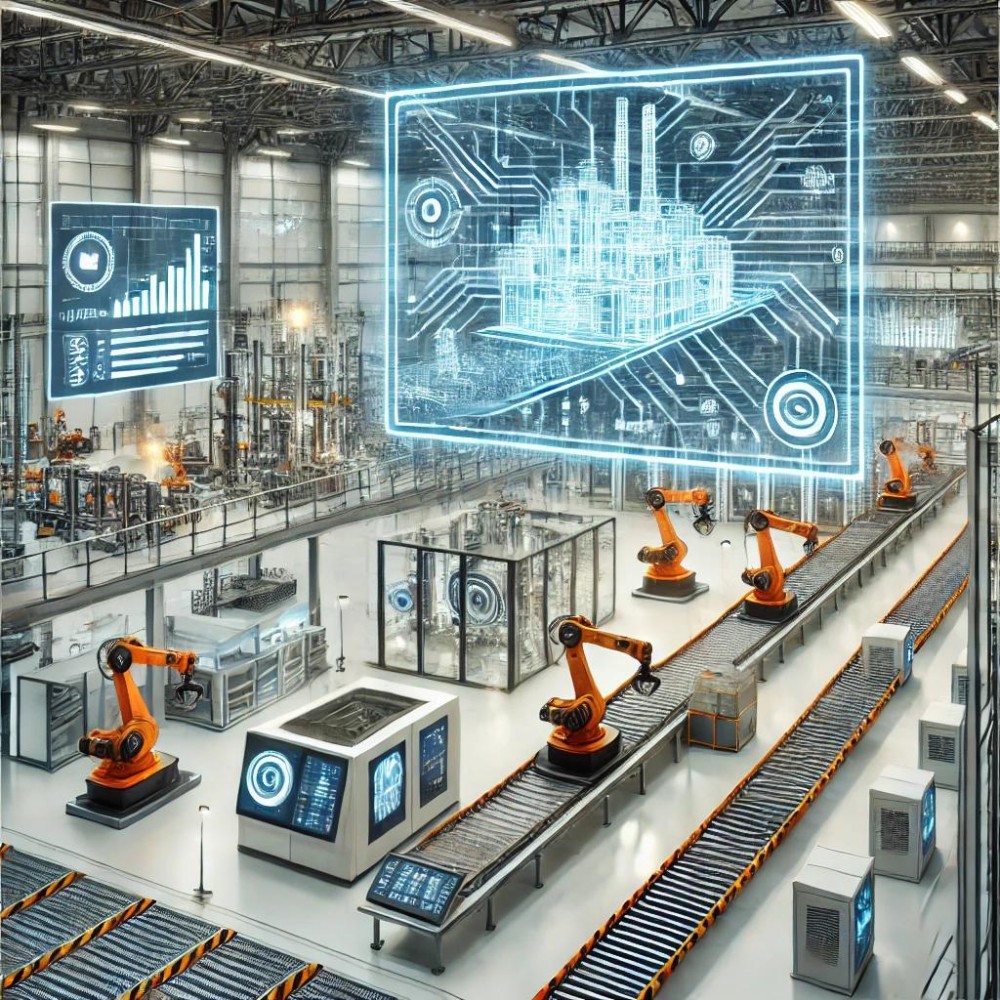
Traditional automation systems based on PLC controllers and DCS platforms have provided reliable control solutions for decades. Today, these systems are evolving through the integration of AI analytics, machine learning algorithms, and advanced data processing technologies.
One of the biggest advantages of AI-based industrial automation is predictive maintenance. By analyzing real-time equipment data collected from sensors and control systems, AI technologies can identify unusual operating conditions and predict possible equipment failures before they happen.
This capability helps manufacturers reduce unexpected downtime and improve production reliability. Industries such as energy, automotive, chemical processing, and semiconductor manufacturing are increasingly adopting intelligent monitoring solutions to improve operational performance.
AI technology is also improving production optimization. Manufacturing systems can analyze large amounts of operational data and provide recommendations for improving machine parameters, production speed, and resource utilization. This allows factories to achieve higher productivity while maintaining consistent product quality.
The development of digital twin technology is another important innovation in industrial automation. Digital twins create virtual models of physical equipment and production processes, allowing engineers to simulate operations, test improvements, and optimize systems before making changes to real production environments.
PLC and DCS systems remain essential components in this transformation. Instead of replacing traditional control technologies, AI works together with existing automation infrastructure to provide additional intelligence and decision-making capabilities.
Industrial communication networks are also becoming more advanced as factories require faster and more reliable data exchange. High-speed industrial Ethernet, edge computing, and cloud-based platforms are helping companies build more connected automation ecosystems.
The growth of intelligent automation is creating increasing demand for automation hardware and components. PLC modules, industrial sensors, control boards, communication interfaces, and automation spare parts are becoming important resources for companies upgrading their existing systems.
For global automation businesses, the combination of AI and industrial control technology represents a major opportunity. Customers are looking for solutions that improve efficiency, increase reliability, and support long-term digital transformation strategies.
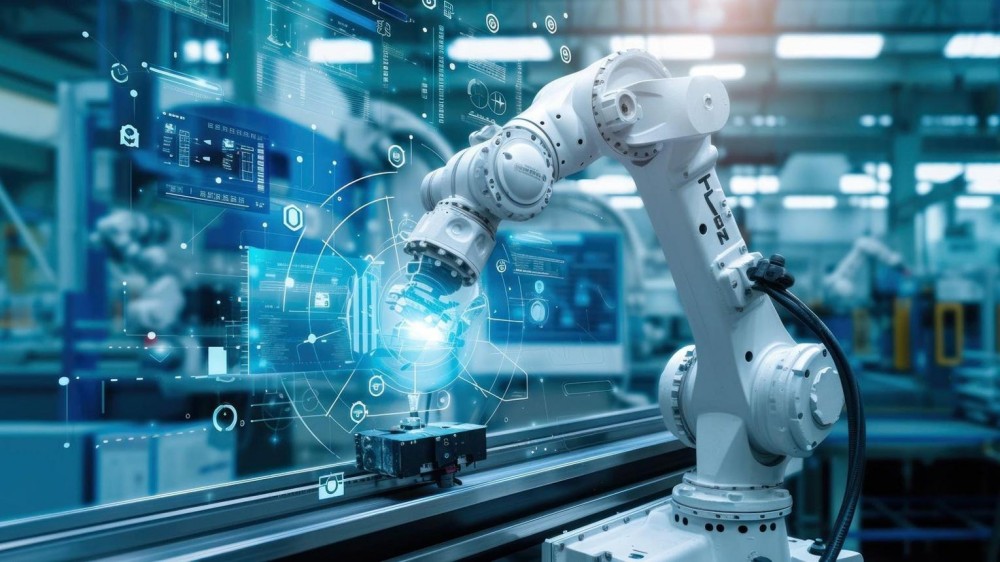
The future of manufacturing will depend on the successful integration of automation, artificial intelligence, and industrial data technologies. PLC, DCS, robotics, and smart software will continue working together to create more efficient, intelligent, and sustainable factories around the world.
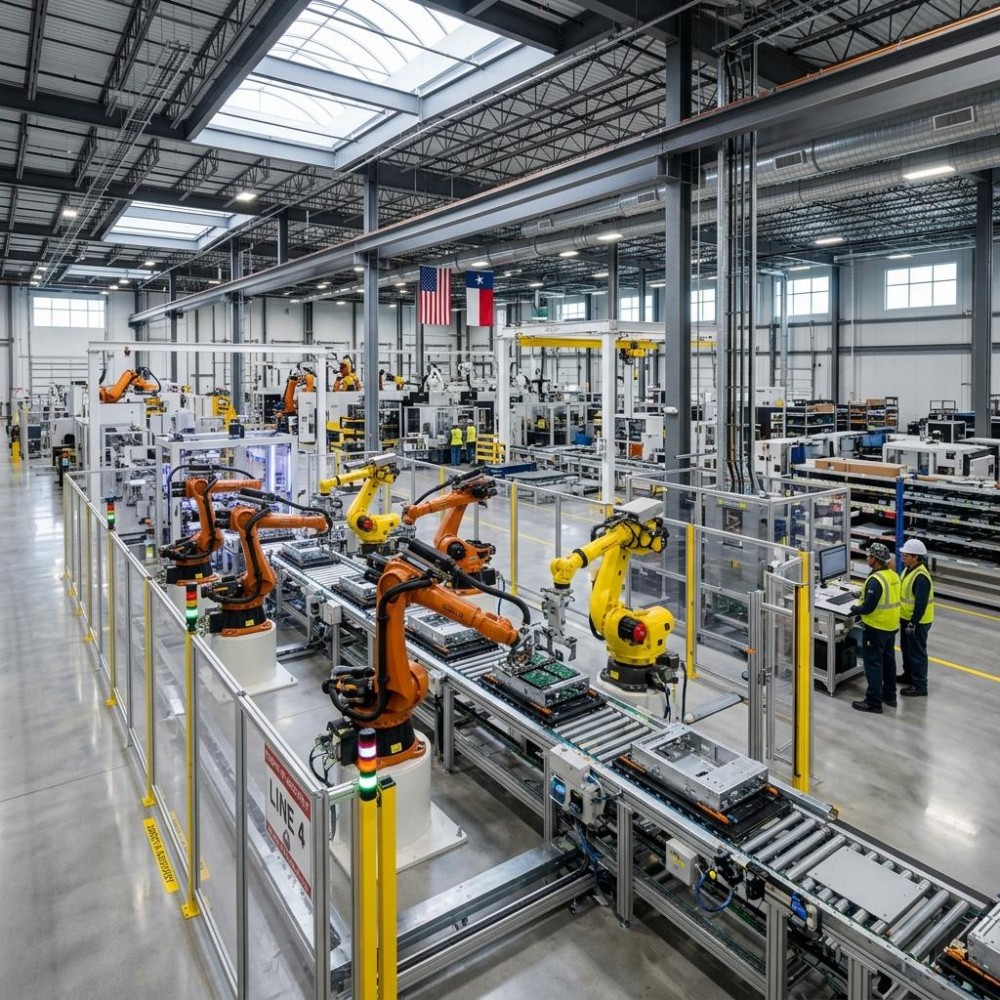 U.S. Industrial Robot Installations Rise 11% As Flexible Automation Expands
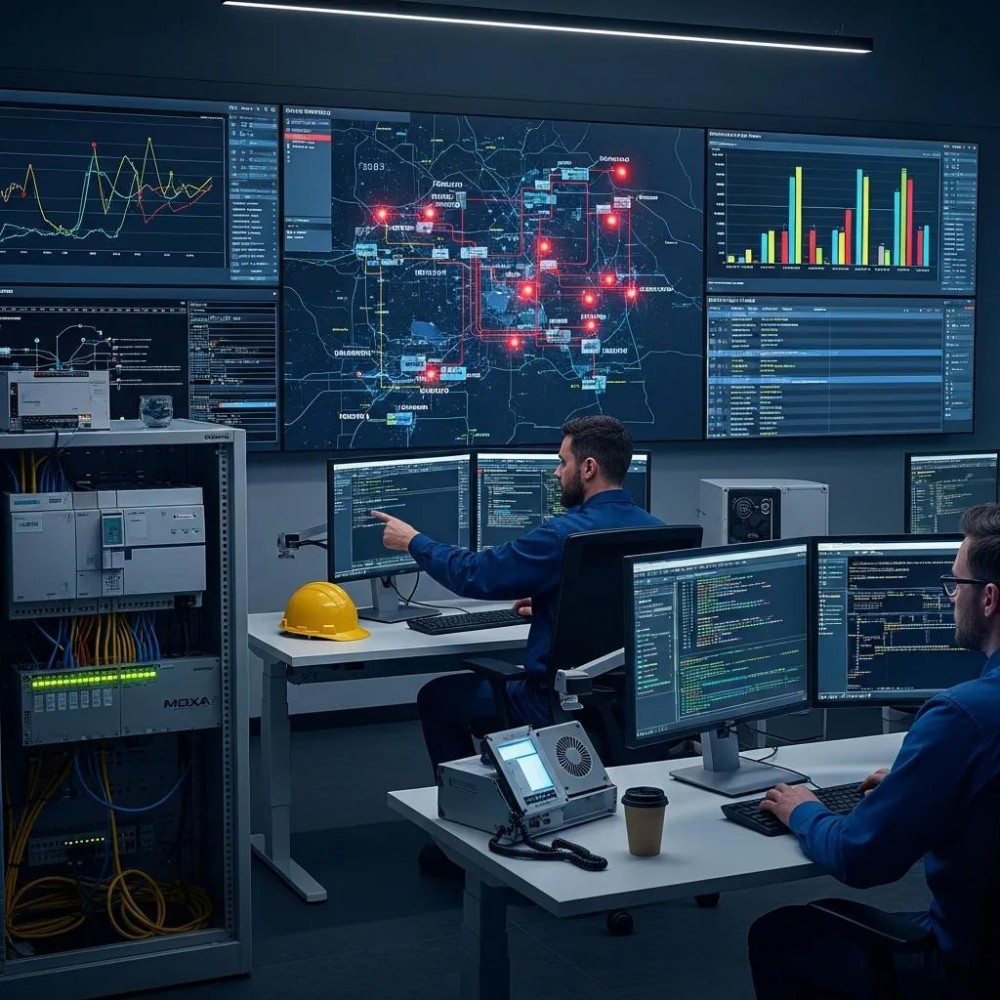 Siemens S7 PLC Cybersecurity Warning Highlights Growing OT Security Risks
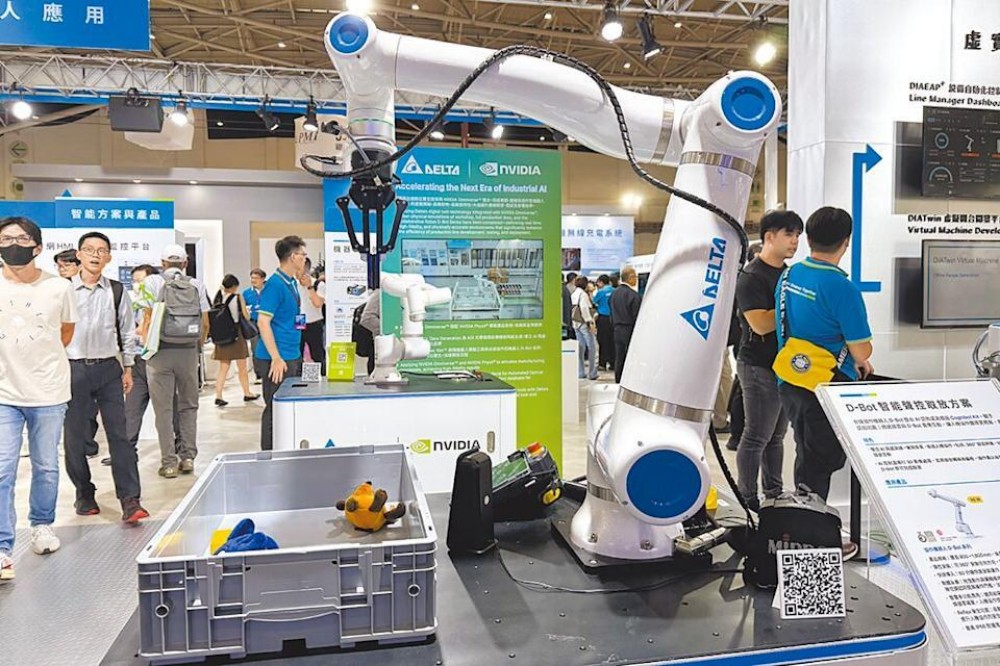 Delta’s Embodied AI And Digital Twins Signal A New Era For Industrial Automation
 Schneider Electric Advances Software-Defined Automation For PLC And DCS Modernization