100% Original, Ready to Ship!

North American Robot Orders Rise 4.3% In Q2 2026 As Industrial Automation Expands
North American companies increased their investment in industrial robotics during the second quarter of 2026, providing a fresh indication that factory automation demand is expanding beyond traditional automotive manufacturing. According to the latest industry data released in August, companies ordered 8,940 robots worth approximately $622 million during Q2 2026. Unit orders increased 4.3% year over year, while order value increased 21.3%.
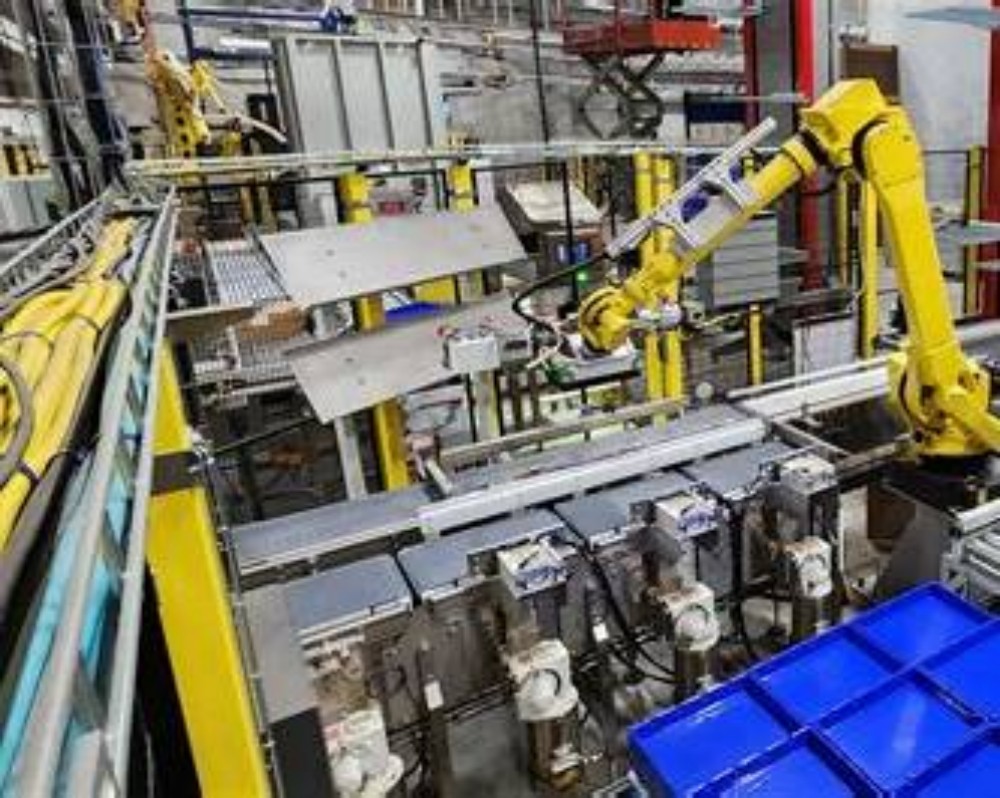
The strongest signal from the latest figures is the diversification of automation demand. While automotive manufacturing remains an important market for industrial robots, several other industries recorded significant growth. During the first half of 2026, robot orders increased by 35% in semiconductors and electronics/photonics, 32% in life sciences, 24% in automotive components and 17% in food and consumer goods.
This expansion is creating new opportunities for PLC, motion control and industrial networking technologies. Modern robotic cells typically require more than a robot arm alone. A complete automated production cell may include PLC controllers, servo drives, safety I/O, vision systems, HMIs, industrial Ethernet switches, sensors and production data interfaces.
The increasing adoption of collaborative robots is another important development. Companies ordered 2,774 collaborative robots during the first half of 2026, representing 15.4% of total robot units ordered. Collaborative robots were particularly important in life sciences and semiconductor-related manufacturing, where flexible automation can support changing production requirements and smaller production batches.
For industrial automation engineers, this trend highlights the importance of flexible control architectures. Traditional automation systems were often designed around dedicated machines performing repetitive tasks. Today’s manufacturers increasingly need systems that can accommodate product changes, variable production volumes and integration with intelligent inspection technologies.
PLC technology remains central to these systems because deterministic control is still required for synchronization, sequencing and machine safety. At the same time, robotics applications are increasingly connected to higher-level software through industrial communication protocols and edge computing platforms.
The growth of robotics also reflects continuing pressure on manufacturers to improve productivity while addressing labor availability and production flexibility. Instead of replacing workers completely, many automated systems are designed to remove repetitive, physically demanding or highly standardized operations while allowing employees to focus on maintenance, quality control and higher-value activities.
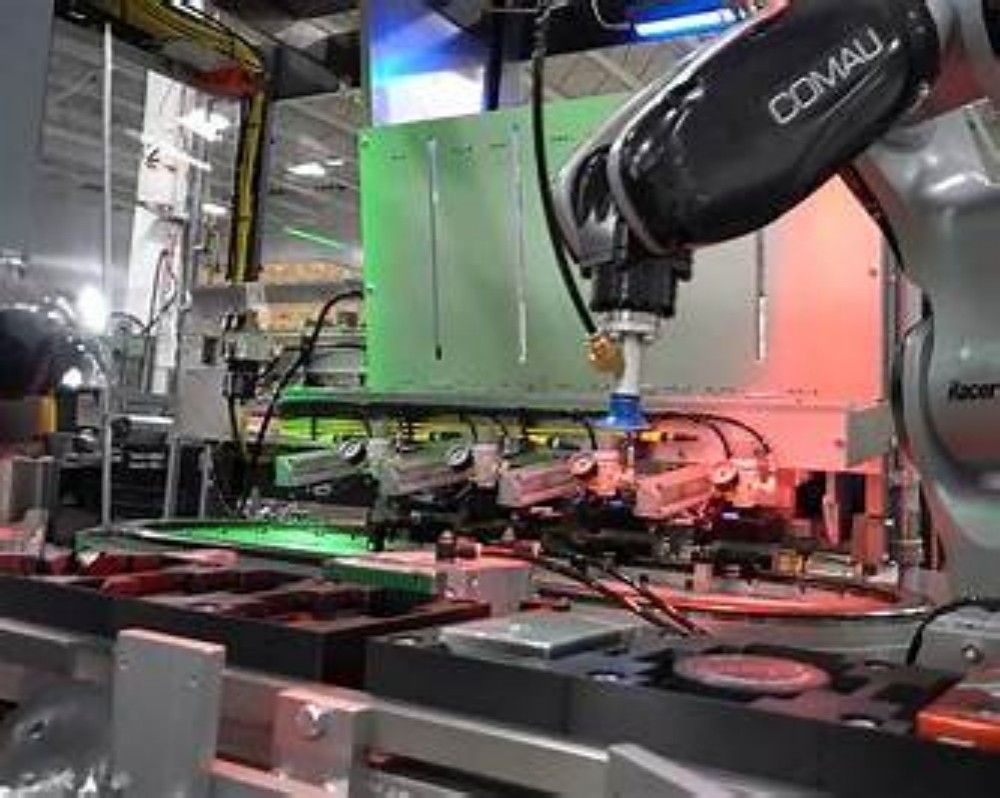
The latest Q2 figures therefore represent more than simple growth in robot shipments. They demonstrate that industrial automation is becoming more distributed across manufacturing sectors. For system integrators and automation equipment suppliers, this creates demand for modular PLC systems, scalable I/O architectures, motion controllers, industrial networks and integrated safety solutions.
As manufacturers continue modernizing their production facilities in 2026, robotics is increasingly becoming part of a broader automation ecosystem rather than a standalone technology. The combination of robots, PLCs, machine vision, sensors and industrial software is likely to remain one of the major drivers of smart manufacturing investment.
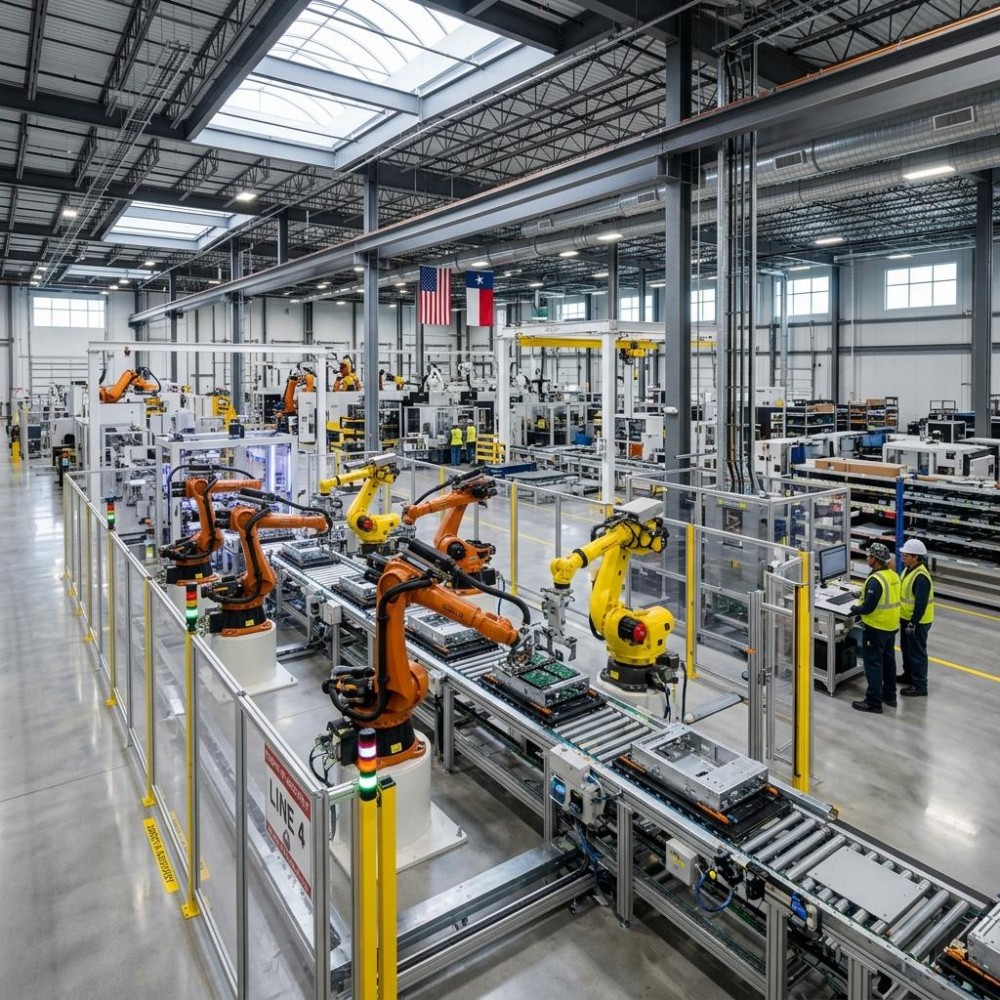 U.S. Industrial Robot Installations Rise 11% As Flexible Automation Expands
 Siemens S7 PLC Cybersecurity Warning Highlights Growing OT Security Risks
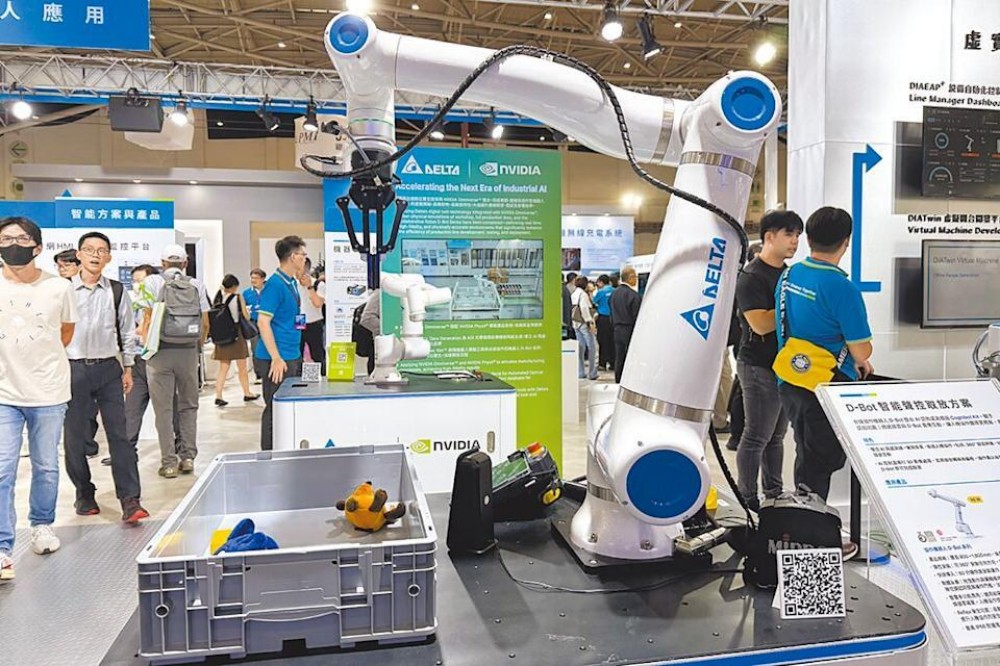 Delta’s Embodied AI And Digital Twins Signal A New Era For Industrial Automation
 Schneider Electric Advances Software-Defined Automation For PLC And DCS Modernization