100% Original, Ready to Ship!

Emerson Expands DeltaV DCS And PLC Automation Platform For AI-Scale Data Centers
Emerson has expanded its industrial automation portfolio with a new DeltaV Automation Platform for AI-scale data centers, highlighting how industrial control technologies such as DCS and PLC systems are moving into new infrastructure applications driven by artificial intelligence.
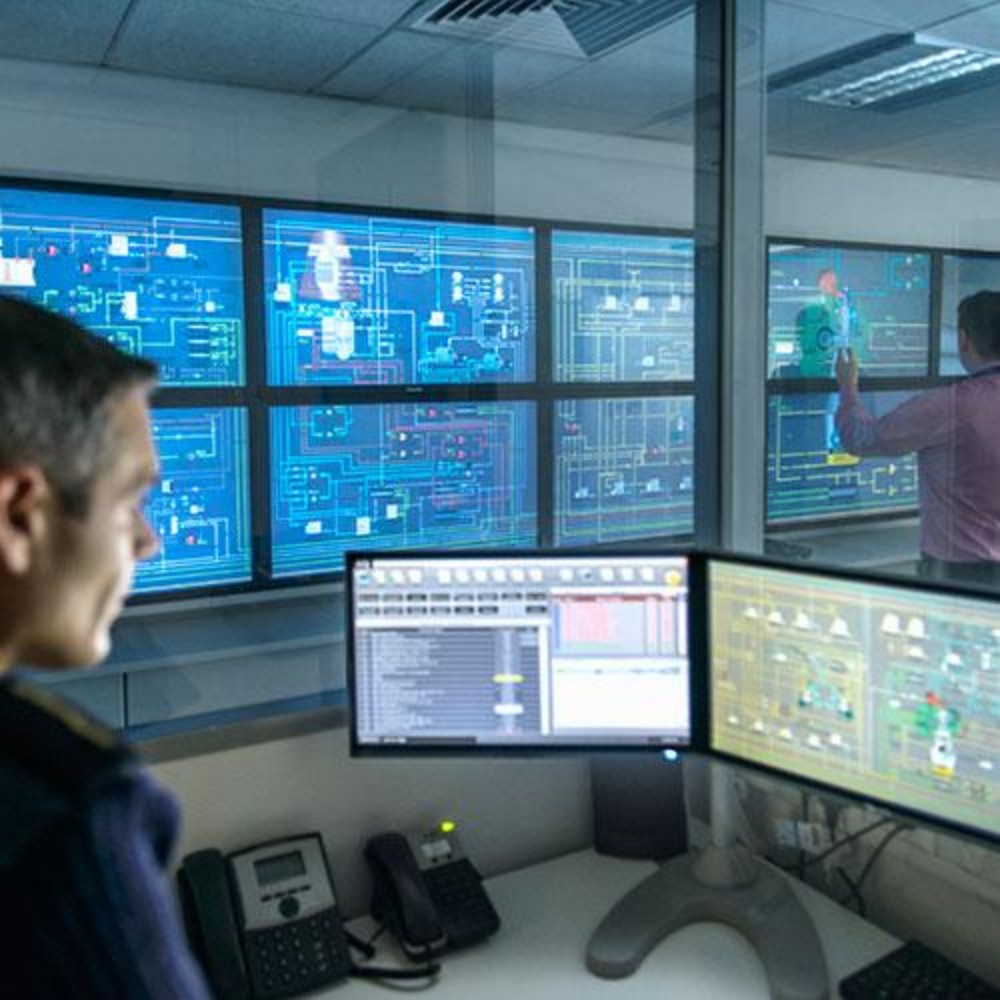
Announced in August 2026, the platform is designed to provide unified monitoring and control of critical data center infrastructure, bringing together electrical, mechanical and thermal systems under a scalable automation architecture. Emerson says the platform is intended to support faster project execution while maintaining real-time operational visibility and industrial-grade reliability.
The development is particularly relevant to the industrial automation industry because AI data centers require highly coordinated control of power and cooling systems. As computing loads become more dynamic, cooling demand and electrical consumption can change rapidly. This creates a control challenge similar in some ways to complex industrial process applications, where multiple subsystems must respond to changing operating conditions in real time.
Emerson’s approach combines its DeltaV distributed control system with programmable logic controllers. The PLCs connect to the DCS for broader system-wide process control, allowing different levels of automation to operate within a coordinated architecture. The platform also incorporates AI-based capabilities intended to support engineering workflows, advanced process control and operational optimization.
For DCS engineers, the most interesting aspect is the move toward unified control rather than separate automation systems for individual equipment groups. Traditional infrastructure projects may use independent systems for electrical equipment, HVAC, cooling equipment and facility management. Integrating these systems can reduce duplicated engineering work and provide operators with a more consistent view of plant or facility performance.
The same concept is increasingly appearing in conventional industrial plants. Manufacturers are looking for automation architectures that can connect PLCs, DCS platforms, SCADA systems, sensors and industrial software while preserving reliable real-time control.
AI also introduces new possibilities for predictive and adaptive operation. Industrial AI applications can analyze historical and real-time data to identify abnormal conditions, optimize energy consumption and provide recommendations to operators. However, critical control functions still require deterministic automation and carefully engineered safety systems.
The expansion of DeltaV into AI-scale data center infrastructure demonstrates how the boundaries between industrial automation and digital infrastructure are changing. Data centers are becoming highly automated industrial facilities where power management, cooling, monitoring and control must operate continuously.
For automation professionals, this trend creates opportunities beyond traditional manufacturing sectors. PLC, DCS, SCADA, instrumentation and industrial networking technologies are increasingly relevant to data centers, energy infrastructure and other mission-critical facilities.
As AI adoption continues to increase worldwide, demand for reliable power and cooling infrastructure is expected to grow alongside computing capacity. The integration of PLC and DCS technologies with AI-enabled monitoring and optimization could therefore become an important new direction for industrial automation engineering in the coming years.
 U.S. Industrial Robot Installations Rise 11% As Flexible Automation Expands
 Siemens S7 PLC Cybersecurity Warning Highlights Growing OT Security Risks
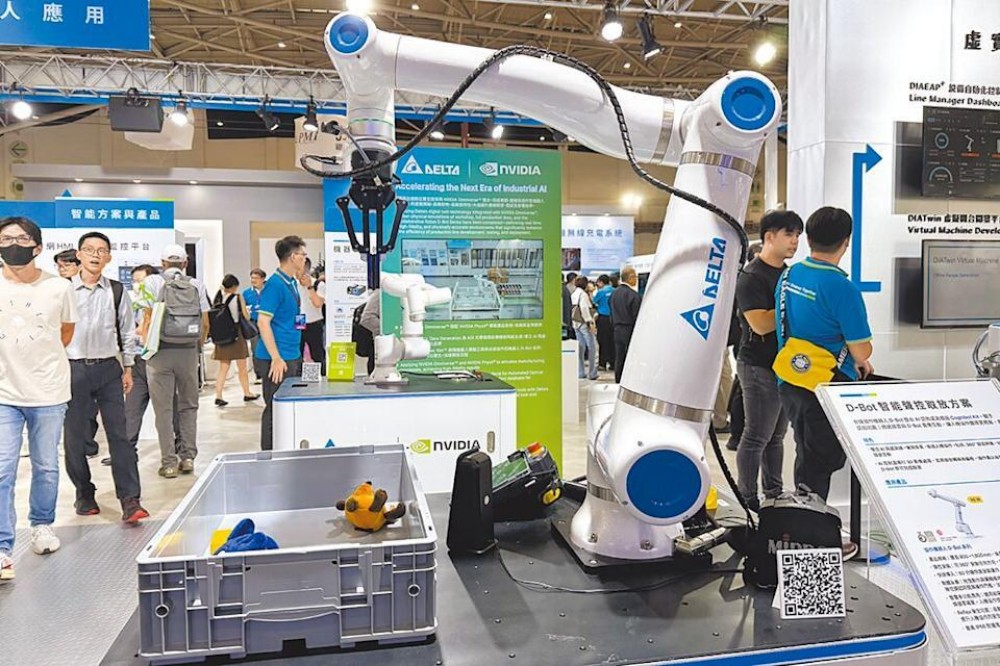 Delta’s Embodied AI And Digital Twins Signal A New Era For Industrial Automation
 Schneider Electric Advances Software-Defined Automation For PLC And DCS Modernization