100% Original, Ready to Ship!

Rockwell Automation PlantPAx Modernizes Heaven Hill Distillery With Smarter Industrial Automation
Rockwell Automation is highlighting a major industrial automation modernization project at Heaven Hill Distillery, where its PlantPAx distributed control system is being used to support a new, data-intensive production facility. The project demonstrates how modern DCS technology, industrial networking and real-time process data are becoming increasingly important for manufacturers looking to improve operational visibility and prepare for future digital transformation.
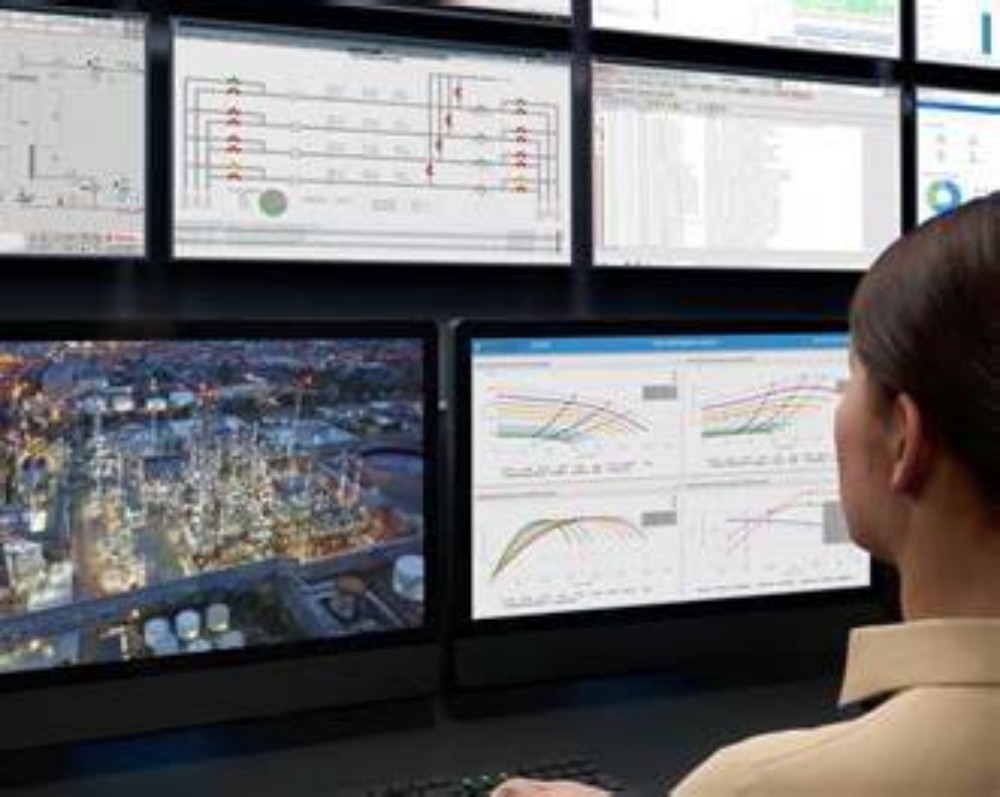
The new Heaven Hill facility in Bardstown, Kentucky, was designed with a strong focus on digital operations. The automation architecture uses Rockwell Automation PlantPAx to provide plant-wide visualization and process control across multiple stages of production. The system is designed to give operators clearer access to production information while helping engineering and maintenance teams diagnose process conditions more efficiently.
One of the important aspects of the project is the use of integrated data. Modern industrial automation systems are no longer limited to basic control functions. PLCs, DCS platforms, industrial networks, HMIs and data systems increasingly work together to create a connected automation environment.
According to the project information, the PlantPAx implementation provides improved visibility across production operations, including grain receiving, mashing, fermentation, byproducts and finished goods. The architecture also incorporates network and cybersecurity considerations, reflecting the growing importance of protecting industrial control systems as more plant equipment becomes connected.
Another important benefit is troubleshooting. Engineers and operators can access process information, interlocks and diagnostics from the control environment, helping reduce the time required to identify abnormal operating conditions. For plants with complex process equipment, this type of centralized information can make maintenance and commissioning more efficient.
The project also illustrates a broader trend in the PLC and DCS industry: manufacturers increasingly want automation systems that can support future technologies instead of simply replacing obsolete hardware. A modern control platform can provide the foundation for historical data analysis, predictive maintenance, artificial intelligence and advanced process optimization.
For industrial automation engineers, the Heaven Hill project is an example of how DCS technology is evolving from traditional process control toward a more connected operational platform. Plant operators are increasingly looking for systems that combine reliable control, visualization, diagnostics, cybersecurity and data access within a unified architecture.
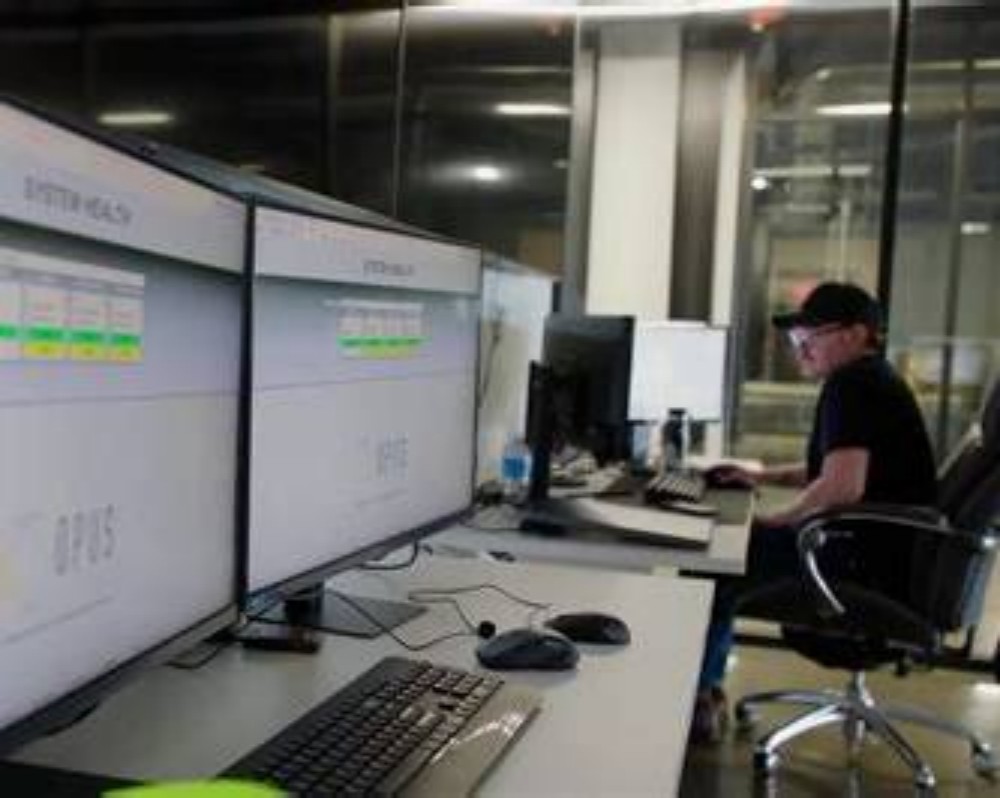
As manufacturers continue investing in smart factories and connected production facilities, technologies such as PlantPAx demonstrate the growing relationship between PLC-based control, DCS architecture and industrial digitalization. The trend is particularly relevant to food and beverage, chemical, pharmaceutical, energy and other process-oriented industries where reliability and real-time process visibility are critical.
For automation professionals, the key takeaway is clear: the next generation of industrial control systems will need to deliver not only stable control, but also better data connectivity, cybersecurity and a practical path toward AI-enabled manufacturing.
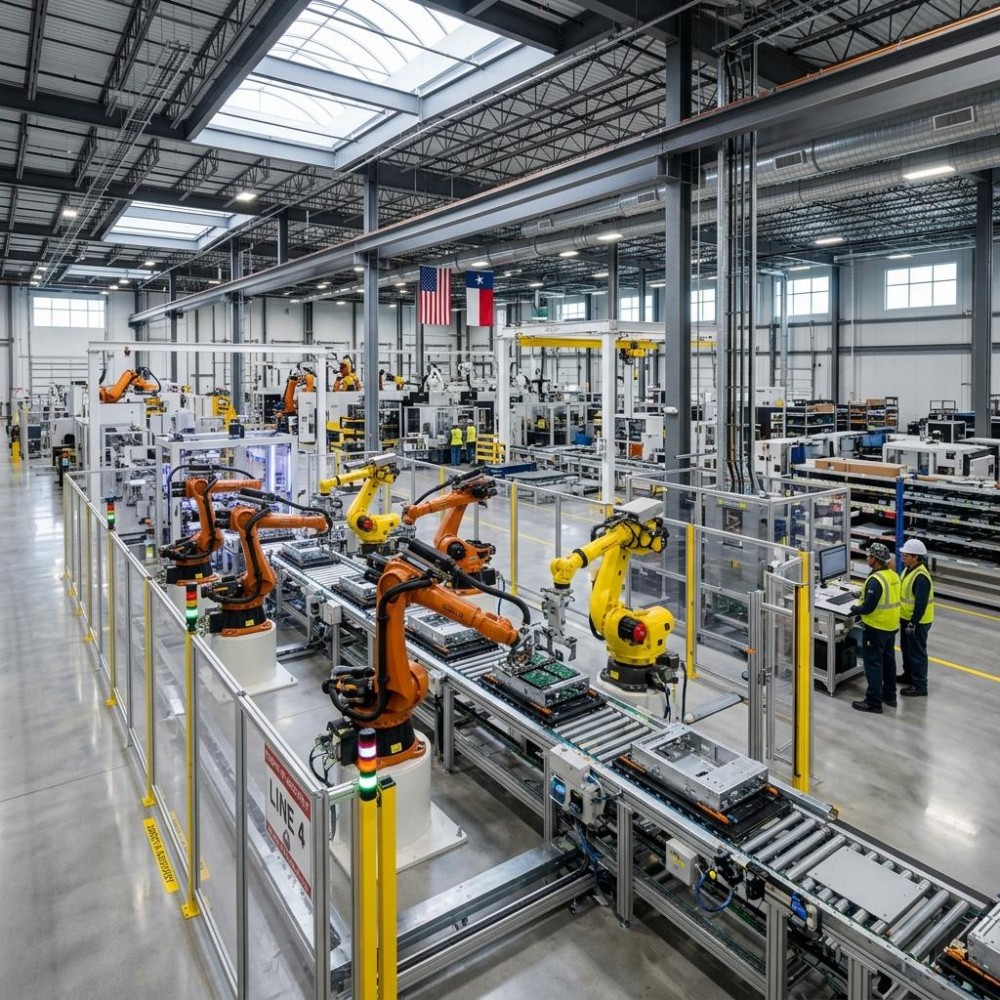 U.S. Industrial Robot Installations Rise 11% As Flexible Automation Expands
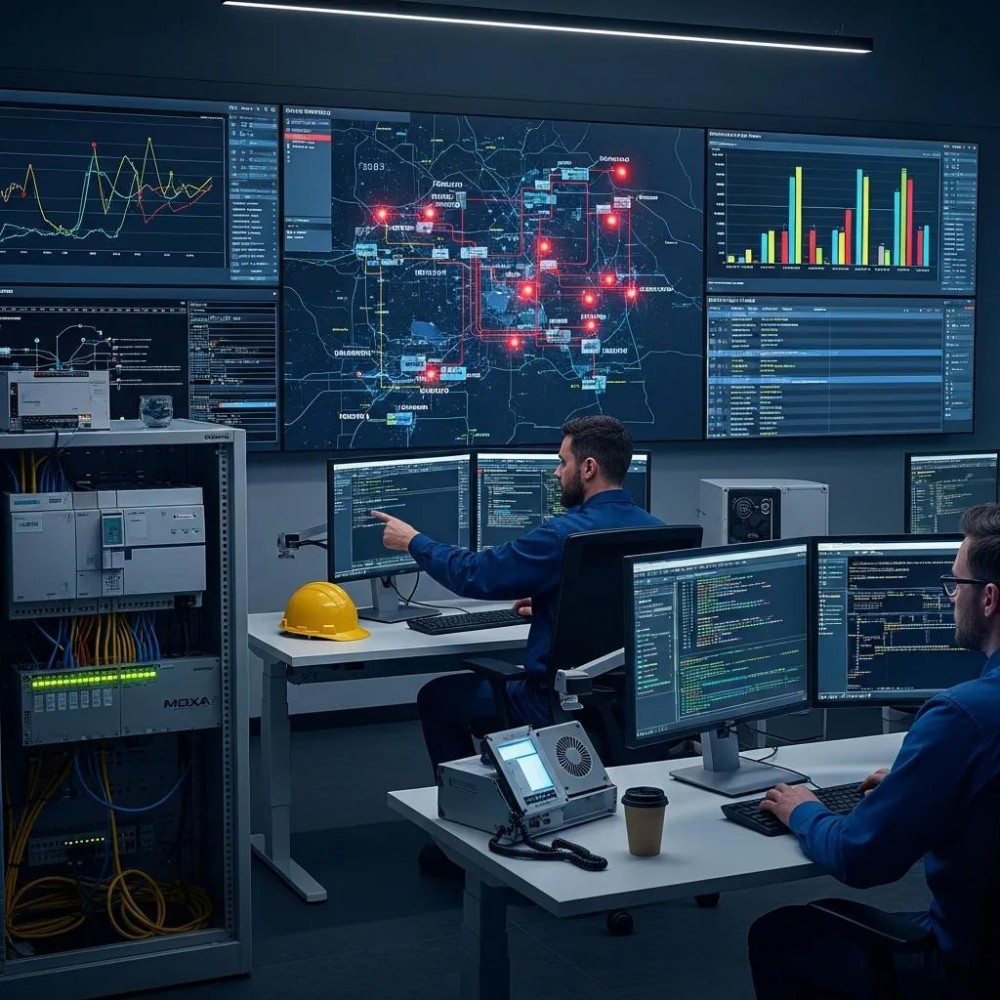 Siemens S7 PLC Cybersecurity Warning Highlights Growing OT Security Risks
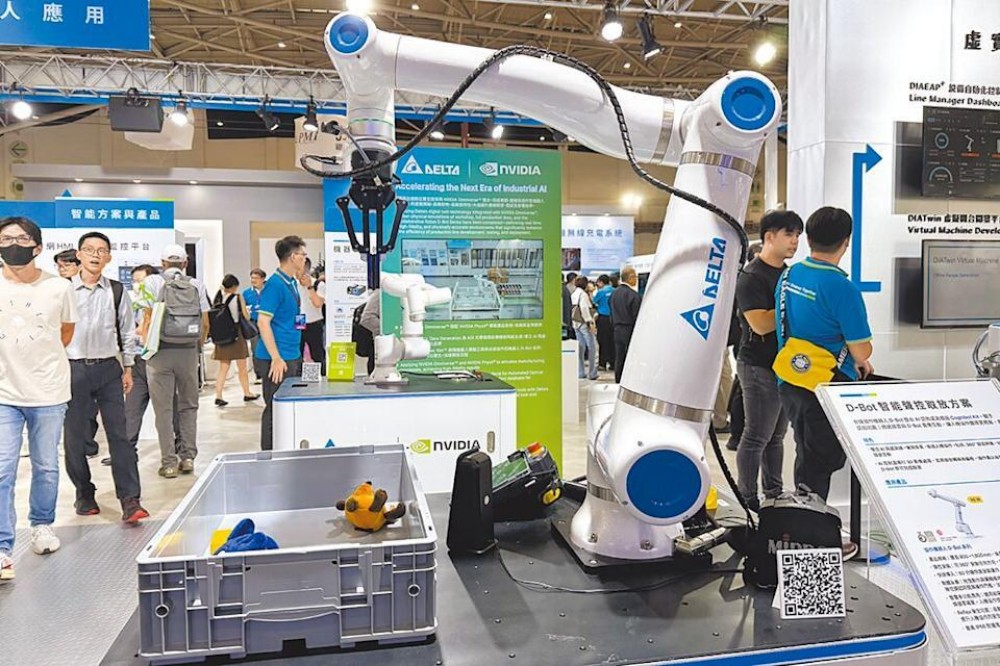 Delta’s Embodied AI And Digital Twins Signal A New Era For Industrial Automation
 Schneider Electric Advances Software-Defined Automation For PLC And DCS Modernization