100% Original, Ready to Ship!

Schneider Electric Software-Defined Automation Is Reshaping Modern DCS And Process Control
Schneider Electric is continuing to push software-defined automation as the industrial automation industry moves toward more open, flexible and software-centric control architectures. The development is particularly significant for companies operating legacy DCS systems that need modernization without completely replacing existing plant infrastructure.
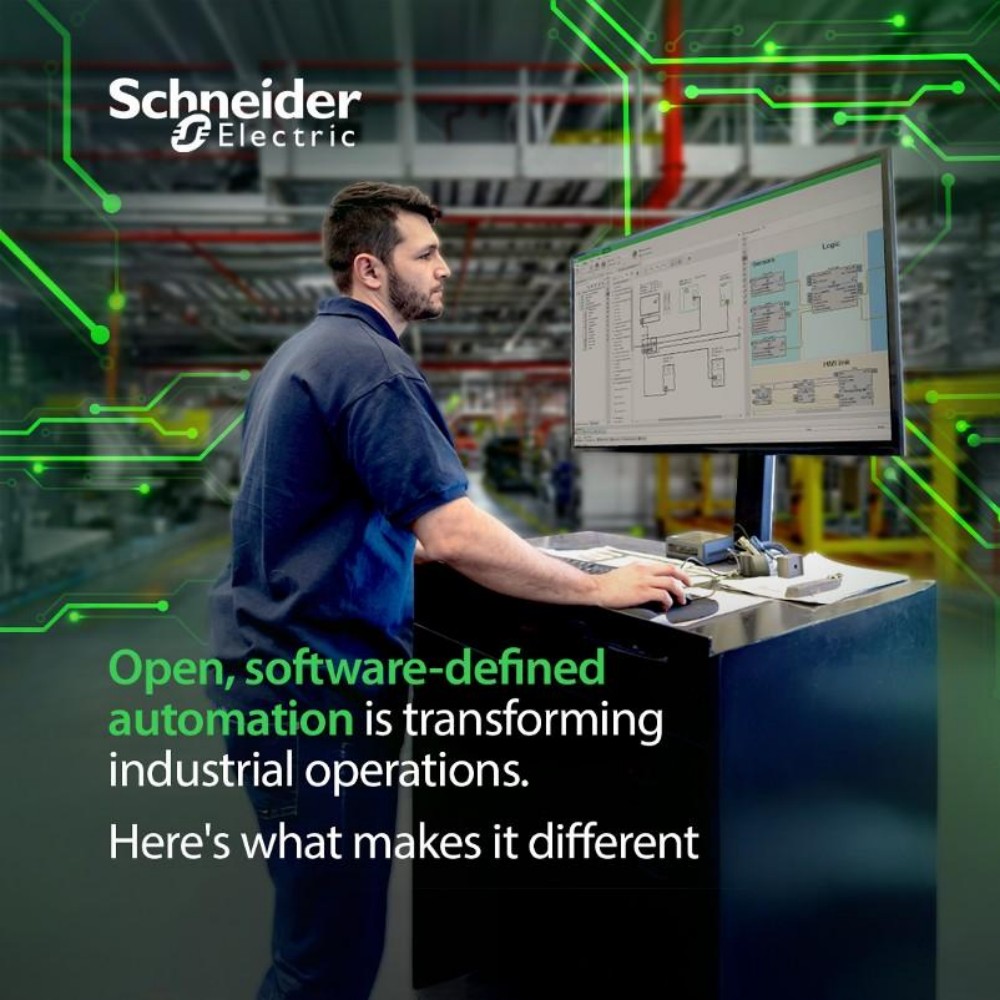
Software-defined automation separates more of the control system’s functionality from dedicated hardware. Instead of relying entirely on proprietary controllers and hardware platforms, modern automation architectures increasingly use software, industrial computers, virtualized environments and open communication technologies to deliver control and operational functions.
This approach is attracting attention because many industrial plants are operating automation systems that have been installed for years or even decades. Replacing an entire DCS can require significant investment, engineering work and production downtime. A software-defined approach offers a potential path toward modernization while allowing companies to preserve valuable existing assets.
Schneider Electric has been developing this concept through its EcoStruxure automation technologies, including software-centric automation architectures designed to provide greater flexibility and interoperability. The company’s recent industry discussions around software-defined automation highlight the growing demand for systems that can adapt to changing production requirements.
For PLC and DCS engineers, one of the most important changes is the increasing importance of software portability. Traditional automation projects often required a close relationship between a specific controller, I/O system and engineering environment. Modern architectures are moving toward more modular designs where control applications can be deployed across different computing environments.
This can have a major impact on plant modernization. Engineers may be able to upgrade computing infrastructure, software applications or networking technologies without completely redesigning the process control strategy.
Cybersecurity is another important factor. As automation systems become more connected, industrial operators need better control over communication paths, access management and system segmentation. Software-defined architectures can provide opportunities for centralized management and standardized security policies when properly engineered.
The trend also supports advanced analytics and artificial intelligence. Industrial data can be made more accessible to higher-level applications without disrupting the basic control layer. This creates opportunities for predictive maintenance, process optimization, energy management and real-time operational analytics.
However, software-defined automation does not mean that industrial hardware is becoming irrelevant. PLCs, remote I/O, sensors, drives, industrial Ethernet equipment and safety systems remain essential parts of the automation architecture. Instead, the relationship between hardware and software is changing.
For brownfield plants, this could become one of the most important automation trends of the coming years. Rather than replacing every controller and cabinet at once, manufacturers can gradually modernize the software, computing and communication layers while maintaining production continuity.
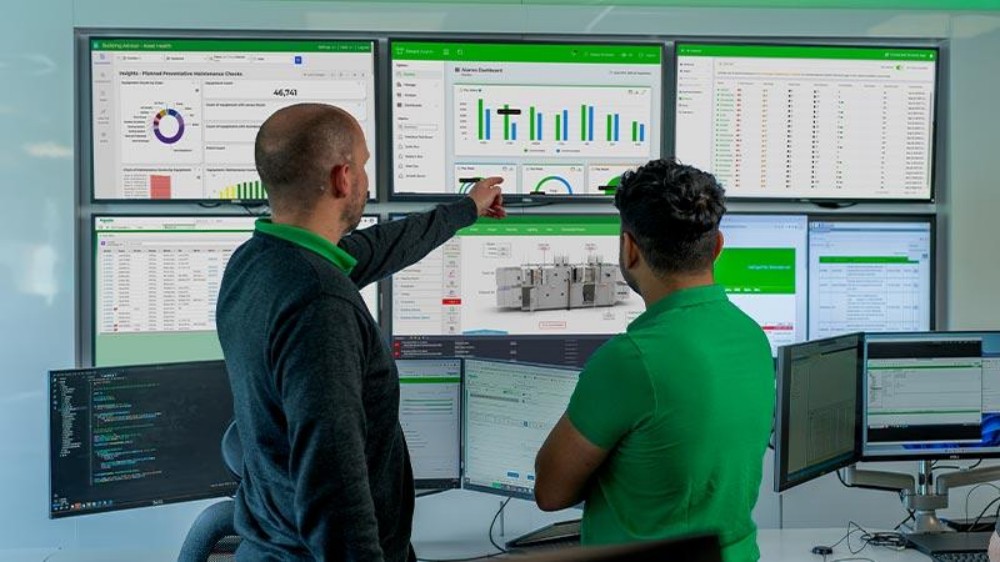
The move toward software-defined DCS and automation reflects a wider industry shift from hardware-centric control systems toward flexible, connected and data-driven industrial platforms. For automation engineers and system integrators, understanding this transition will become increasingly important when planning PLC upgrades, DCS migration projects and long-term plant modernization strategies.
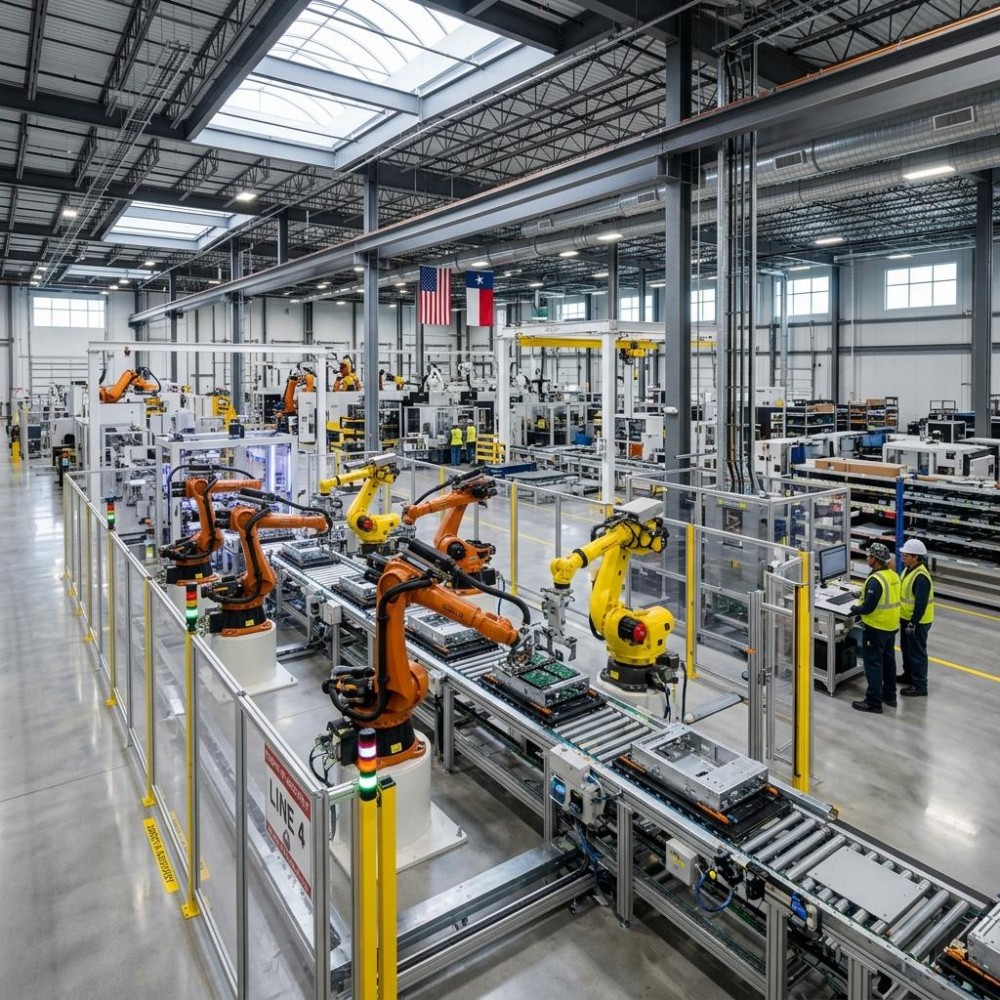 U.S. Industrial Robot Installations Rise 11% As Flexible Automation Expands
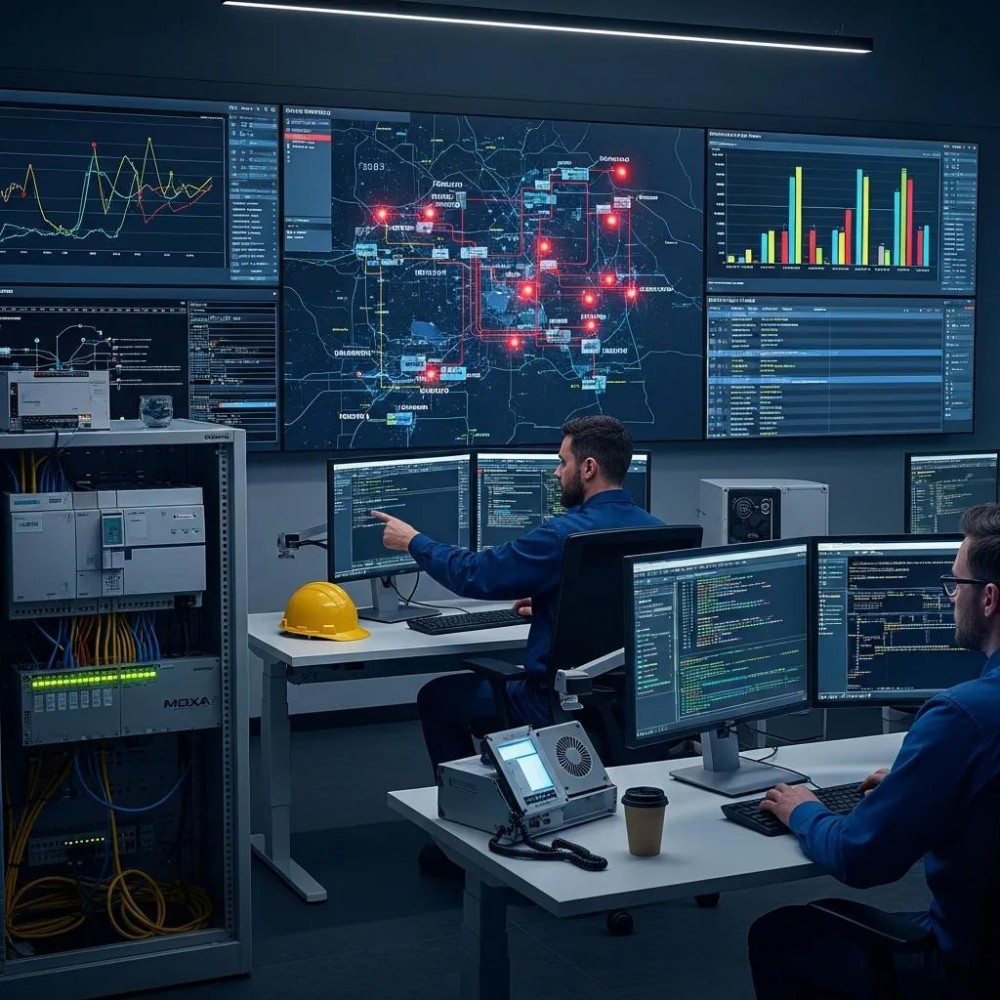 Siemens S7 PLC Cybersecurity Warning Highlights Growing OT Security Risks
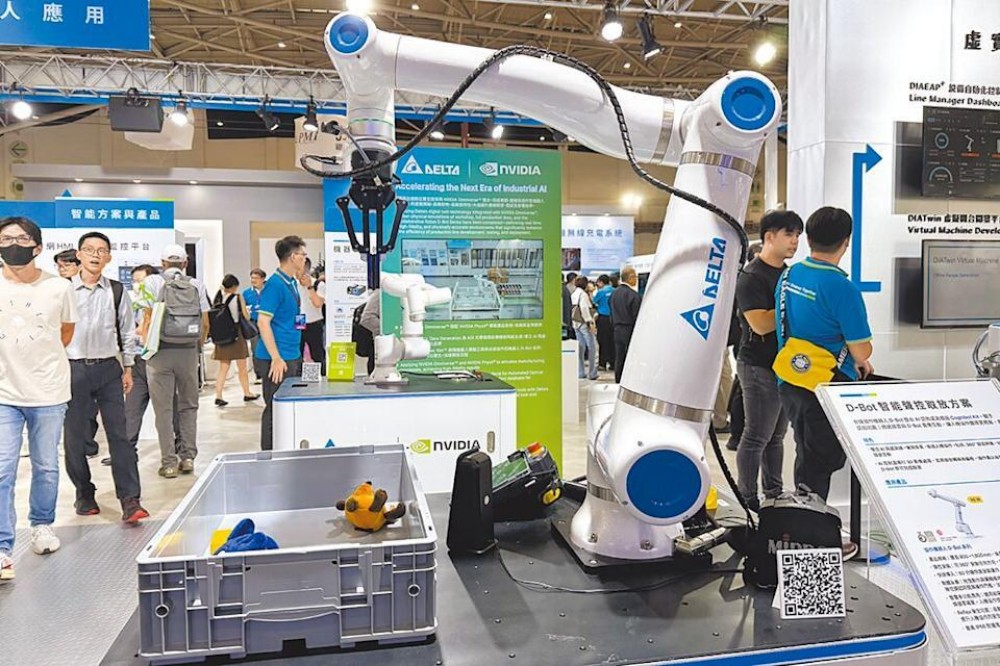 Delta’s Embodied AI And Digital Twins Signal A New Era For Industrial Automation
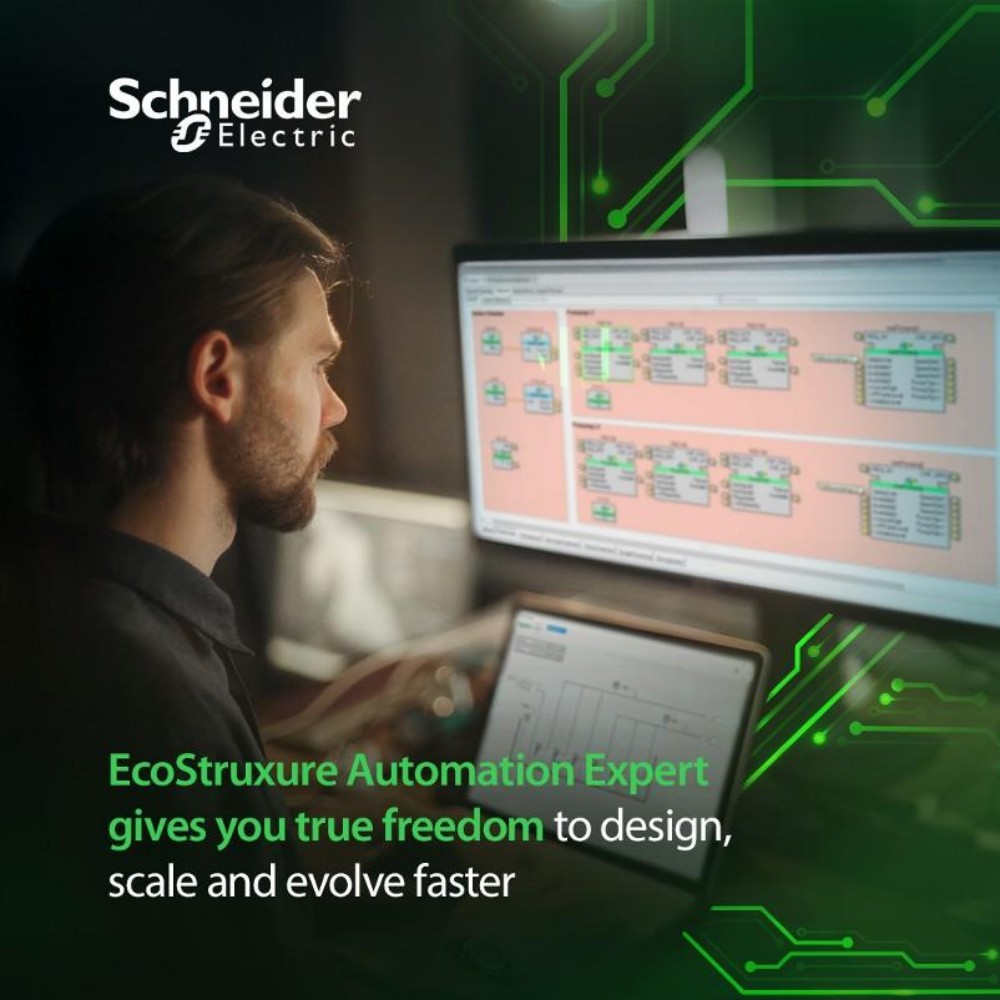 Schneider Electric Advances Software-Defined Automation For PLC And DCS Modernization