100% Original, Ready to Ship!

Siemens Creates New Automation Business Unit To Accelerate Industrial Automation, PLC And AI Innovation
Siemens is strengthening its position in the global industrial automation market with a major organizational change that brings several automation businesses together under a newly established Automation unit. The change was announced in August 2026 and is scheduled to take effect on October 1, 2026.
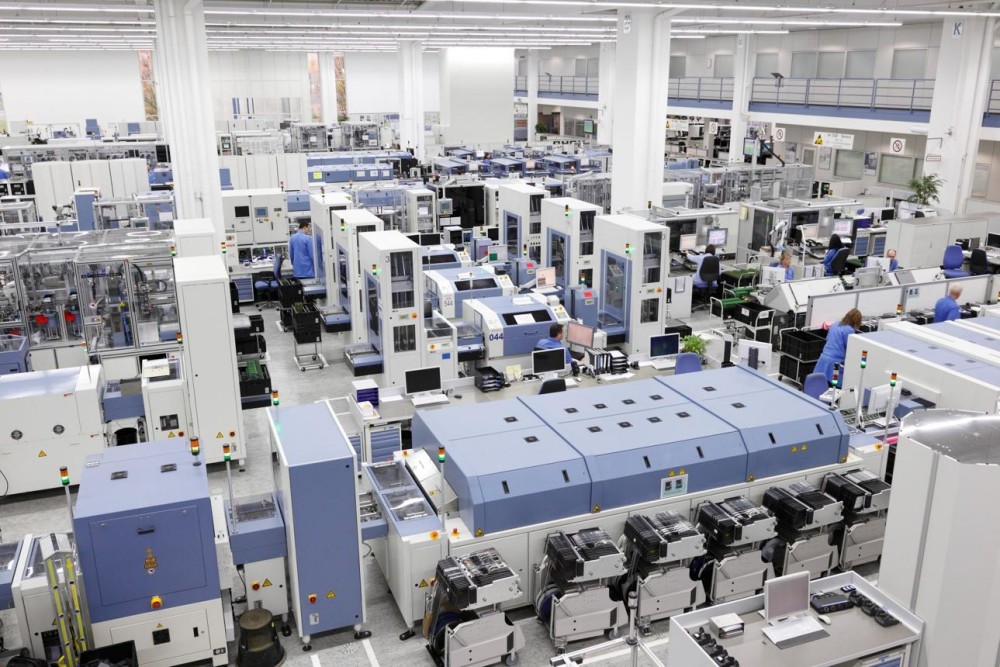
Under the new structure, Siemens will combine Customer Services, Factory Automation, Motion Control and Process Automation into one unified organization. Rainer Brehm has been appointed President of the new Automation unit and will report directly to Cedrik Neike, CEO of Siemens Digital Industries.
The move reflects a broader transformation taking place across the industrial automation industry. Manufacturers are no longer looking at PLC controllers, motion systems, process control, industrial software and artificial intelligence as completely separate technologies. Instead, companies increasingly want integrated automation architectures that connect control hardware, engineering software, production data and AI applications.
For PLC users and system integrators, this development is particularly significant. Modern PLC platforms are becoming part of a much larger digital automation environment. A PLC may continue to perform deterministic machine control, but industrial data generated by controllers, sensors, drives and I/O systems can also support predictive maintenance, production optimization and quality improvement.
Siemens has also been expanding its industrial AI capabilities in 2026. Its automation strategy increasingly connects AI with engineering and production workflows rather than treating AI as a separate software application. This direction could help engineers automate repetitive engineering tasks, improve troubleshooting processes and make industrial systems easier to configure and maintain.
The integration of factory automation and process automation is also important for industries that operate both discrete and continuous processes. Automotive plants, chemical facilities, food processing factories, pharmaceutical manufacturers and energy operations increasingly require communication between PLC, SCADA, MES and DCS environments.
Another important trend is the move toward software-defined automation. Instead of relying exclusively on fixed hardware architectures, manufacturers are looking for more flexible systems that can adapt to changing production requirements. Digital twins, industrial edge computing and AI are becoming increasingly important components of this transition.
For industrial automation professionals, the Siemens announcement highlights where the market is heading: toward more connected, software-driven and AI-enabled control systems. PLC technology remains essential, but its role is expanding as part of a wider industrial digital infrastructure.
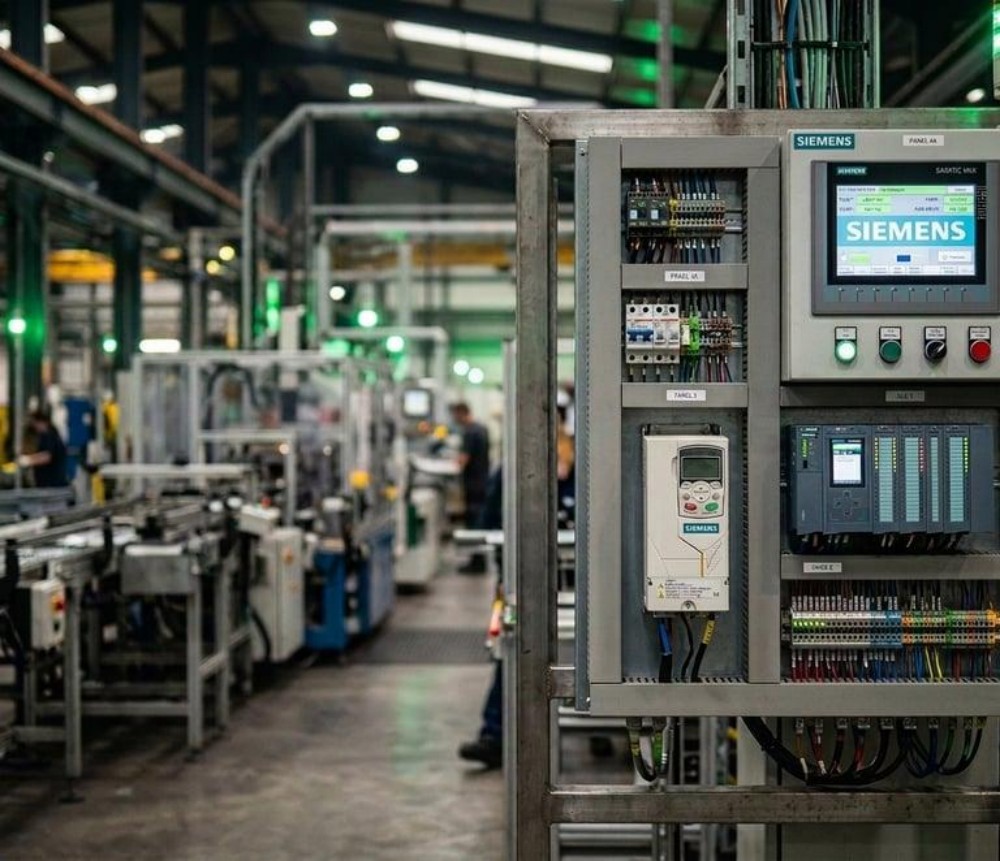
As manufacturers continue upgrading aging automation equipment, suppliers, integrators and maintenance teams will need to understand not only traditional PLC programming and control hardware, but also industrial networking, cybersecurity, data integration and AI-assisted engineering.
The new Siemens Automation organization therefore represents more than an internal corporate change. It reflects the industry’s broader movement toward integrated industrial automation, where PLC, motion control, process automation, software and artificial intelligence work together as part of one connected production ecosystem.
 Schneider Electric Advances Software-Defined Automation For PLC And DCS Modernization
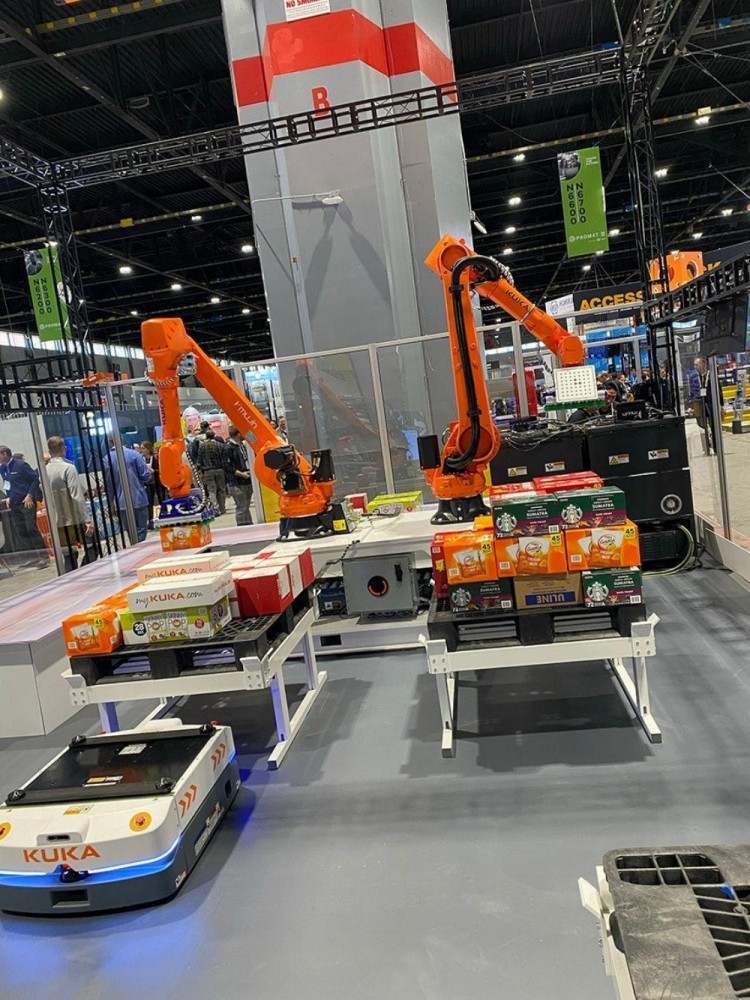 KUKA Robotics Brings Advanced Packaging Automation To PACK EXPO 2026
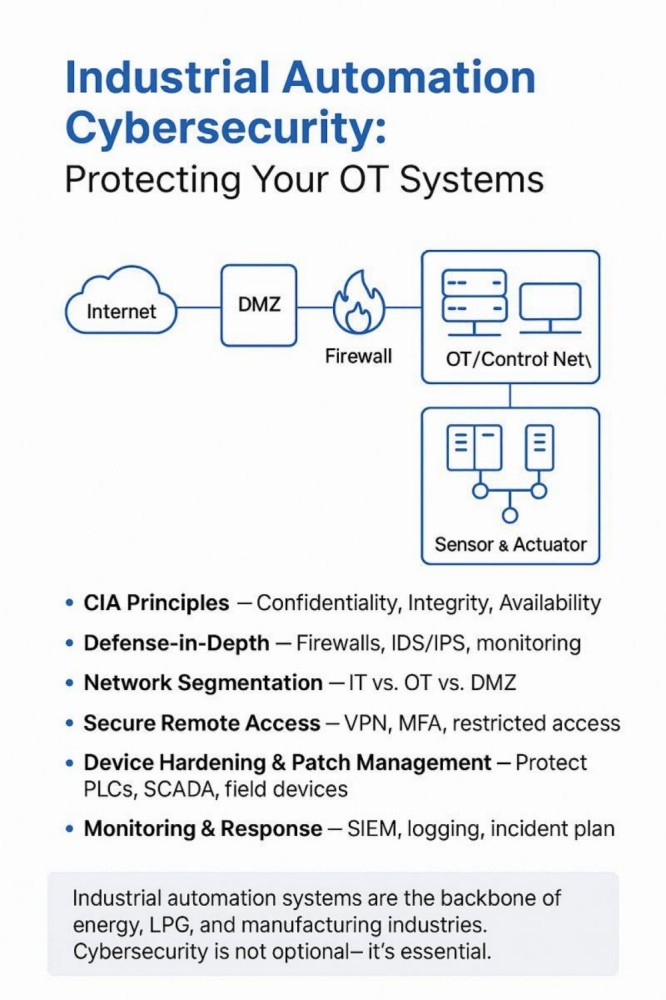 Siemens S7 PLC Cybersecurity Alert Highlights Growing Risks In Industrial Automation
 Rockwell Automation Opens Registration For Automation Fair 2026 In Boston