100% Original, Ready to Ship!

ABB Highlights Legacy DCS Risks As Industrial Plants Accelerate Automation Modernization
Legacy Distributed Control Systems are becoming an increasingly important issue for industrial plants around the world. In August 2026, ABB highlighted the operational, maintenance and cybersecurity challenges associated with outdated control systems and the need for a structured approach to DCS modernization.
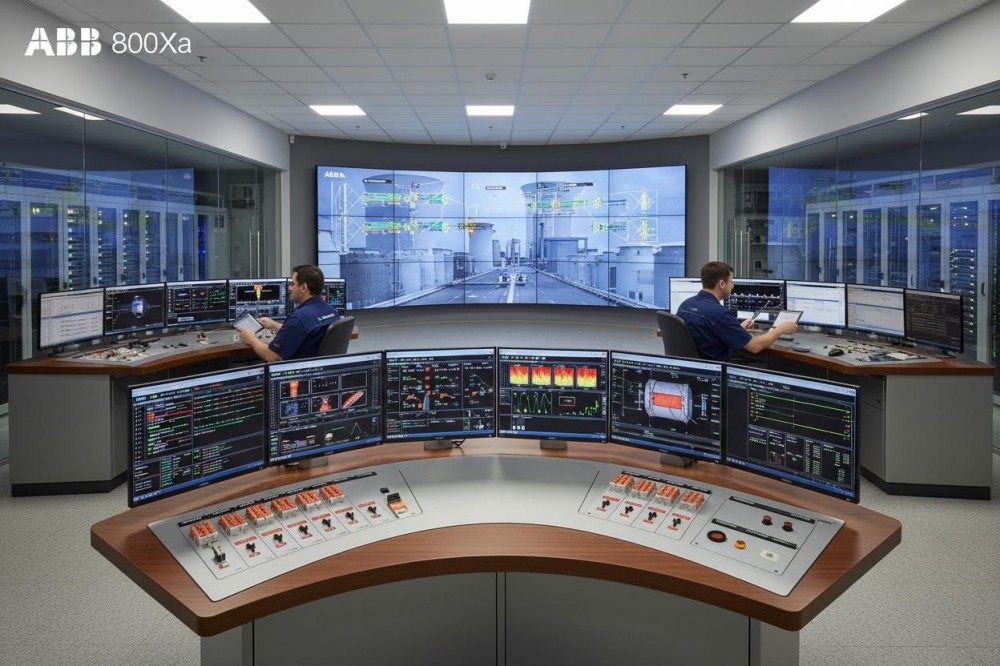
Many process plants continue to operate automation systems that were installed decades ago. Although these systems may still perform their original control functions, aging hardware, obsolete operating systems, discontinued components and declining vendor support can create significant long-term risks.
For process industries, replacing a DCS is not as simple as replacing an office computer. A DCS often controls critical production processes involving hundreds or thousands of I/O points, controllers, instruments, operator stations and communication networks. A complete replacement can require extensive engineering, testing and planned shutdown time.
This is why step-by-step DCS modernization is becoming an important industrial automation strategy.
ABB has emphasized an approach that allows operators to modernize selected components while keeping the existing production system operational. Depending on the architecture, modernization may involve operator workstations, servers, engineering tools, controllers, I/O systems or other parts of the control environment.
For plant owners, one of the most important benefits of this approach is reduced operational disruption. Instead of waiting until a legacy DCS becomes impossible to maintain, companies can plan upgrades according to equipment lifecycle schedules and planned maintenance periods.
Cybersecurity is another major concern. Older industrial control systems may rely on operating systems, communication technologies or hardware that are no longer fully supported. As industrial plants become more connected to enterprise networks and digital applications, maintaining a secure OT environment becomes increasingly important.
The problem also extends to analog I/O and field instrumentation. Components that have operated continuously for many years can experience degradation, potentially affecting measurement accuracy and system reliability. Spare-part availability can also become more difficult when manufacturers discontinue older modules.
For PLC and DCS engineers, the growing focus on legacy modernization creates opportunities for lifecycle services, system migration, replacement modules, engineering support and industrial automation maintenance.
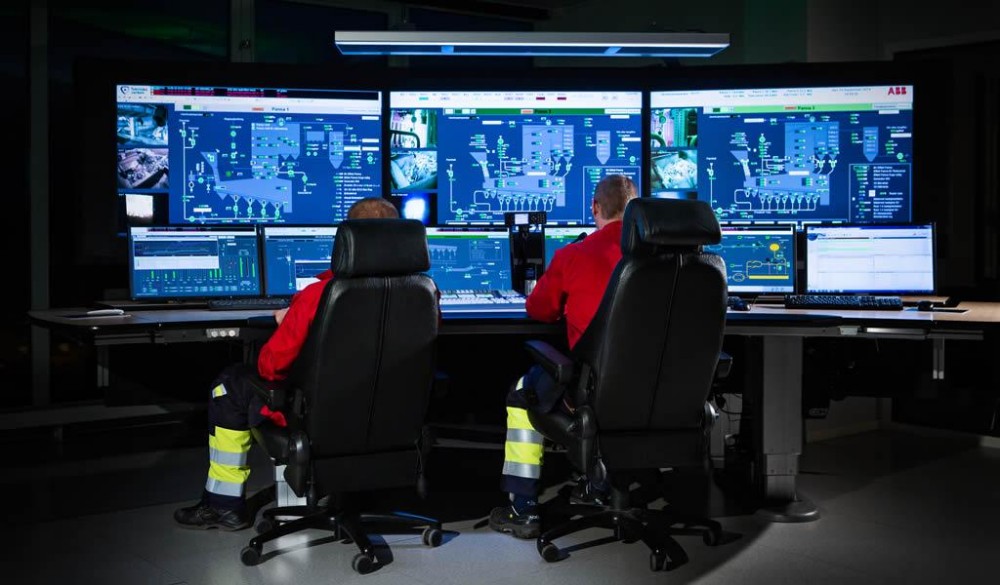
Modernization does not necessarily mean replacing every component at the same time. A phased strategy can allow plants to preserve valuable field wiring, engineering knowledge and existing process control strategies while gradually introducing newer technologies.
The broader trend is clear: industrial automation modernization is shifting from a simple hardware replacement project toward a long-term lifecycle management strategy.
As factories and process plants seek higher reliability, better cybersecurity and improved access to operational data, legacy DCS systems will increasingly need to evolve. Companies that plan modernization before critical components fail can reduce operational risk and create a smoother path toward digitalization, advanced analytics and AI-enabled industrial operations.
 Schneider Electric Advances Software-Defined Automation For PLC And DCS Modernization
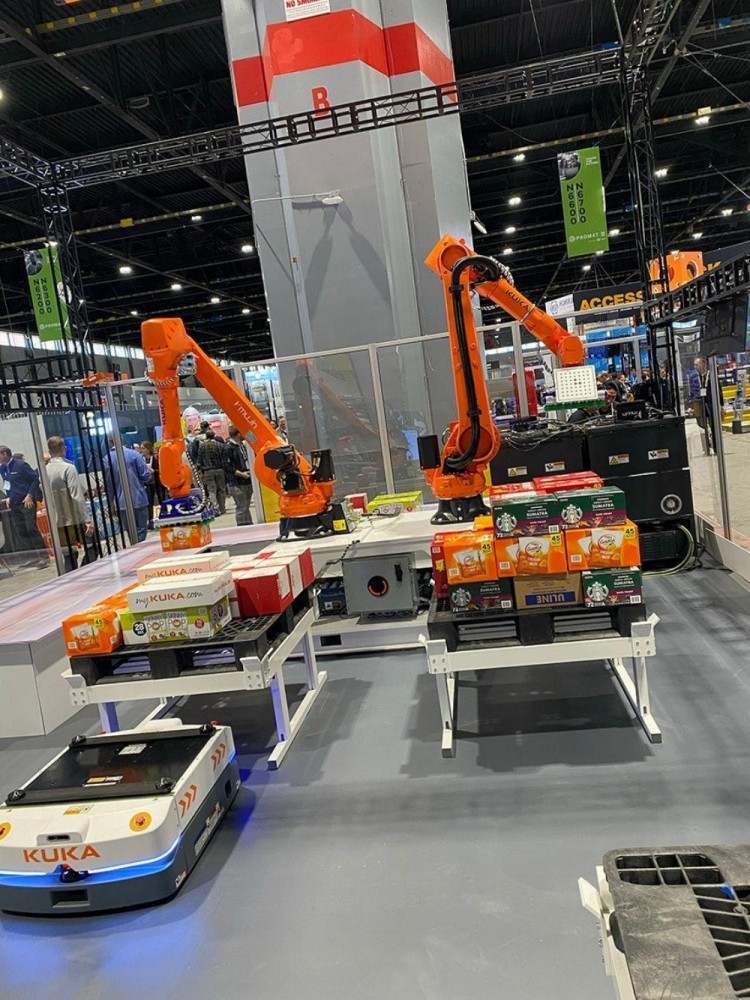 KUKA Robotics Brings Advanced Packaging Automation To PACK EXPO 2026
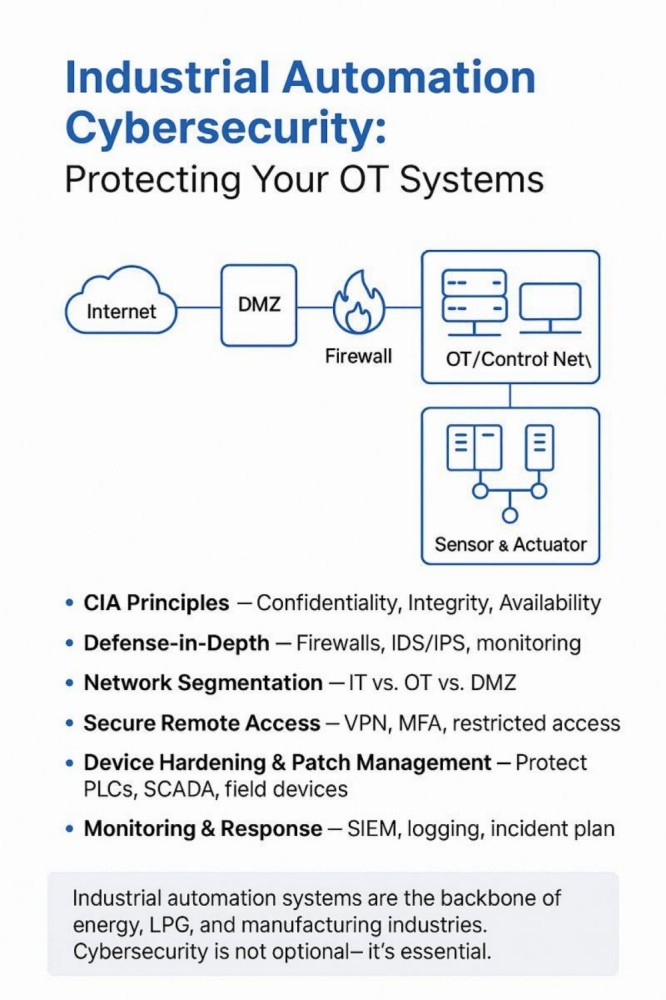 Siemens S7 PLC Cybersecurity Alert Highlights Growing Risks In Industrial Automation
 Rockwell Automation Opens Registration For Automation Fair 2026 In Boston