100% Original, Ready to Ship!

Rockwell Automation Opens Registration For Automation Fair 2026 In Boston
Rockwell Automation has opened registration for Automation Fair 2026, one of the major events focused on industrial automation, digital transformation and modern manufacturing technologies. The event is scheduled to take place from November 16 to 19, 2026, in Boston, Massachusetts.
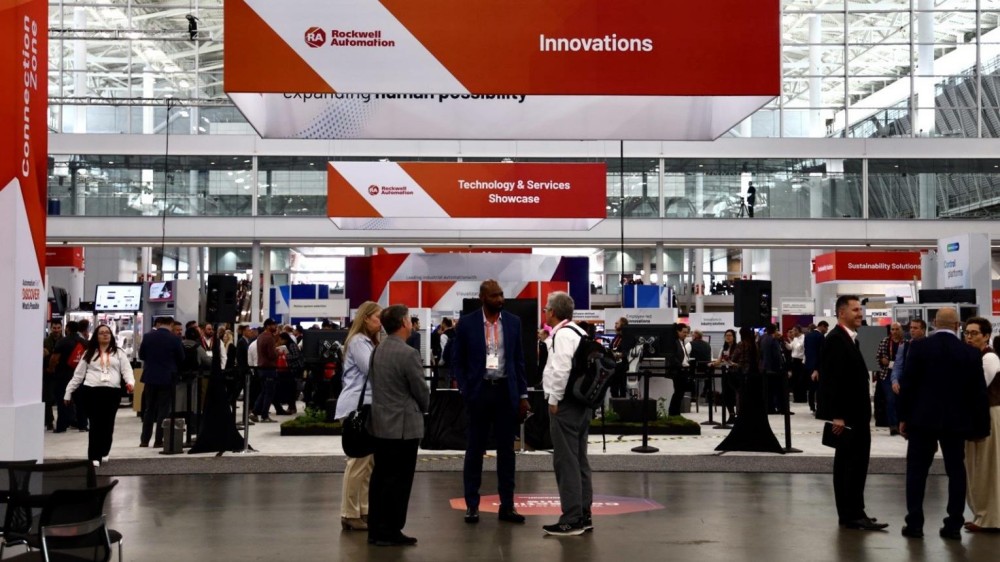
The event is expected to bring together industrial automation engineers, manufacturers, system integrators, technology providers and business leaders to explore new approaches to factory automation and industrial operations.
Automation Fair has traditionally provided a platform for demonstrating PLC control systems, industrial networks, motion control, safety technologies, software and manufacturing solutions. In 2026, the broader direction of the event reflects an industry increasingly focused on the combination of automation, data and artificial intelligence.
For PLC engineers, one of the most important developments in industrial automation is the growing connection between control systems and higher-level software platforms. PLCs remain responsible for deterministic control of machines and production equipment, while industrial software can use operational data for visualization, analytics, quality management and optimization.
This convergence is changing the role of automation engineers. Traditional PLC programming skills remain essential, but engineers are increasingly expected to understand industrial Ethernet, cybersecurity, data integration, edge computing, MES and software-based automation.
Rockwell Automation has also been expanding its focus on AI-driven manufacturing. Recent developments across its portfolio include AI-assisted quality applications, analytics and connected manufacturing technologies. These solutions are designed to help manufacturers move from collecting production data to using that data for faster operational decisions.
The 2026 Automation Fair will also emphasize hands-on learning and real-world industrial applications. According to event information, the four-day program will include interactive exhibits, technical training, educational sessions and opportunities to connect with automation professionals.
The scale of the event demonstrates the continued importance of industrial automation despite major changes in manufacturing technology. Companies are investing in automation not only to reduce labor requirements but also to improve production flexibility, equipment reliability, product quality and operational visibility.
For manufacturers operating older PLC systems, the transition toward connected automation also creates new modernization requirements. Legacy controllers may need to communicate with modern HMIs, SCADA platforms, MES systems, industrial networks and cloud or edge applications.
This means future automation projects will increasingly require a combination of hardware knowledge and software expertise. PLCs, variable frequency drives, sensors, safety systems, industrial computers and control software will need to operate as part of a connected architecture.
Automation Fair 2026 therefore arrives at an important time for the industry. As manufacturers move toward smarter factories, the next generation of industrial automation will be defined not only by faster controllers and better hardware, but also by how effectively automation systems can connect data, people and intelligent software.
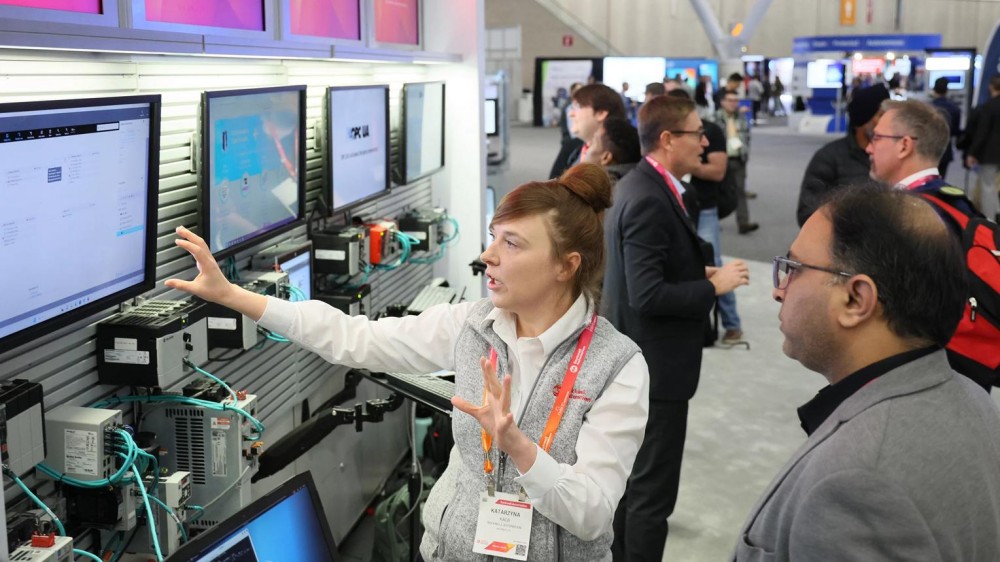
For engineers, integrators and industrial equipment suppliers, the event provides an opportunity to follow the latest developments in PLC, industrial control, digital manufacturing and AI-enabled automation.
 Schneider Electric Advances Software-Defined Automation For PLC And DCS Modernization
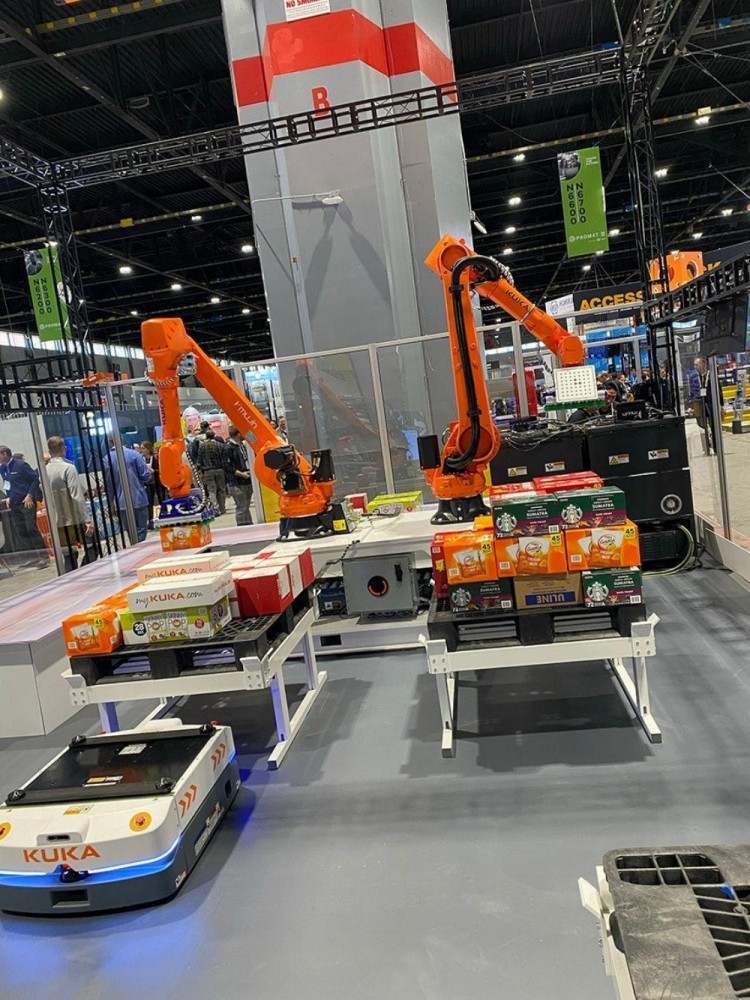 KUKA Robotics Brings Advanced Packaging Automation To PACK EXPO 2026
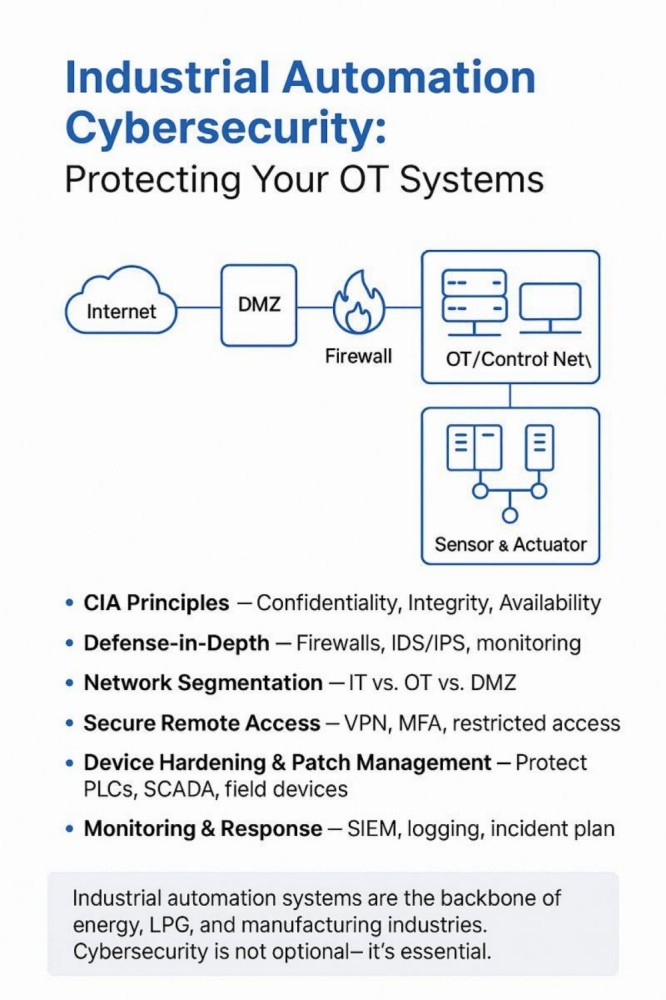 Siemens S7 PLC Cybersecurity Alert Highlights Growing Risks In Industrial Automation
 ABB Highlights Legacy DCS Risks As Industrial Plants Accelerate Automation Modernization