100% Original, Ready to Ship!

Siemens S7 PLC Cybersecurity Alert Highlights Growing Risks In Industrial Automation
Industrial automation cybersecurity has become a critical concern for manufacturers and infrastructure operators following a recent warning from U.S. government agencies about attacks targeting Siemens industrial control devices.
On August 19, 2026, U.S. agencies including the National Security Agency (NSA), Federal Bureau of Investigation (FBI), Department of Energy, Environmental Protection Agency and Cybersecurity and Infrastructure Security Agency (CISA) issued a joint cybersecurity advisory concerning industrial control systems. The advisory highlighted Siemens S7 Series programmable logic controllers (PLCs), which are widely used in manufacturing, water infrastructure, energy facilities and other industrial applications.
The development is particularly important for PLC engineers and automation system integrators because modern industrial networks are increasingly connected to enterprise IT systems, remote engineering platforms and cloud-based applications. While connectivity improves visibility and operational efficiency, it can also increase the potential attack surface of operational technology (OT) environments.
The recent warning also indicates that attackers are using artificial intelligence tools to reduce the technical expertise and time traditionally required to conduct certain cyber operations. This creates additional challenges for organizations operating legacy PLC, SCADA and DCS infrastructure.
For industrial users, cybersecurity should therefore be considered part of the automation lifecycle rather than an isolated IT function. PLC access control, network segmentation, secure remote access, firmware management, backup strategies and continuous monitoring are becoming increasingly important.
Automation engineers should also review communication paths between PLC controllers, HMIs, engineering workstations, SCADA servers and higher-level production systems. Unnecessary network services should be disabled where appropriate, while authentication and authorization mechanisms should be configured according to the plant’s security requirements.
The situation also reinforces the importance of maintaining accurate automation documentation. Engineers need to know which PLC models, firmware versions, communication modules and network connections are installed in each control cabinet or production area. A complete asset inventory can significantly improve the ability to identify vulnerable equipment and respond quickly to security incidents.
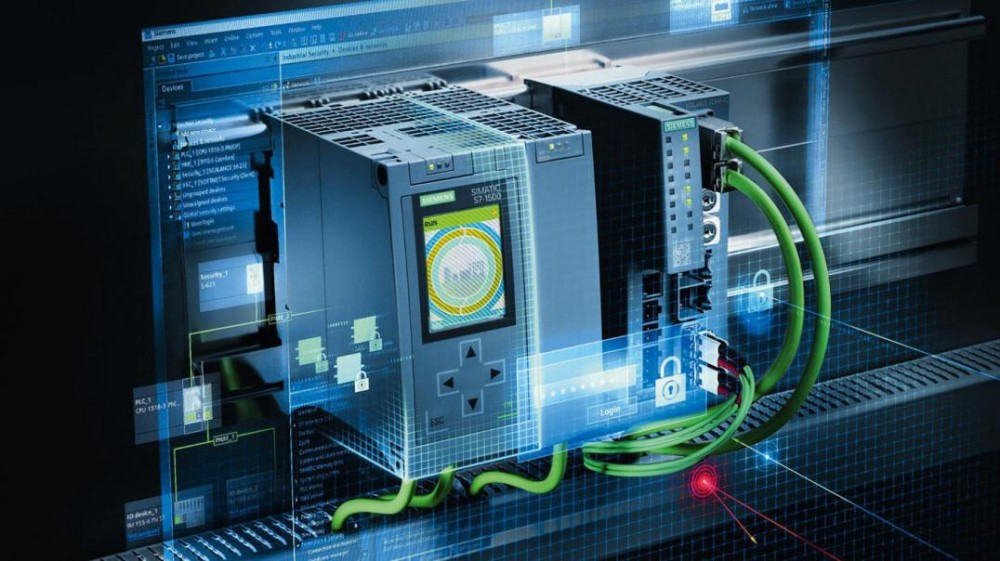
For companies using Siemens S7 PLCs and other industrial controllers, the latest warning is a reminder that automation reliability and cybersecurity are now closely connected. Protecting PLC-based control systems is no longer only about preventing equipment failure; it is also about protecting production continuity, process safety and critical infrastructure.
As industrial digitalization continues, PLC cybersecurity, OT network protection and secure automation architecture will remain major priorities for manufacturers, system integrators and industrial automation professionals worldwide.
 Schneider Electric Advances Software-Defined Automation For PLC And DCS Modernization
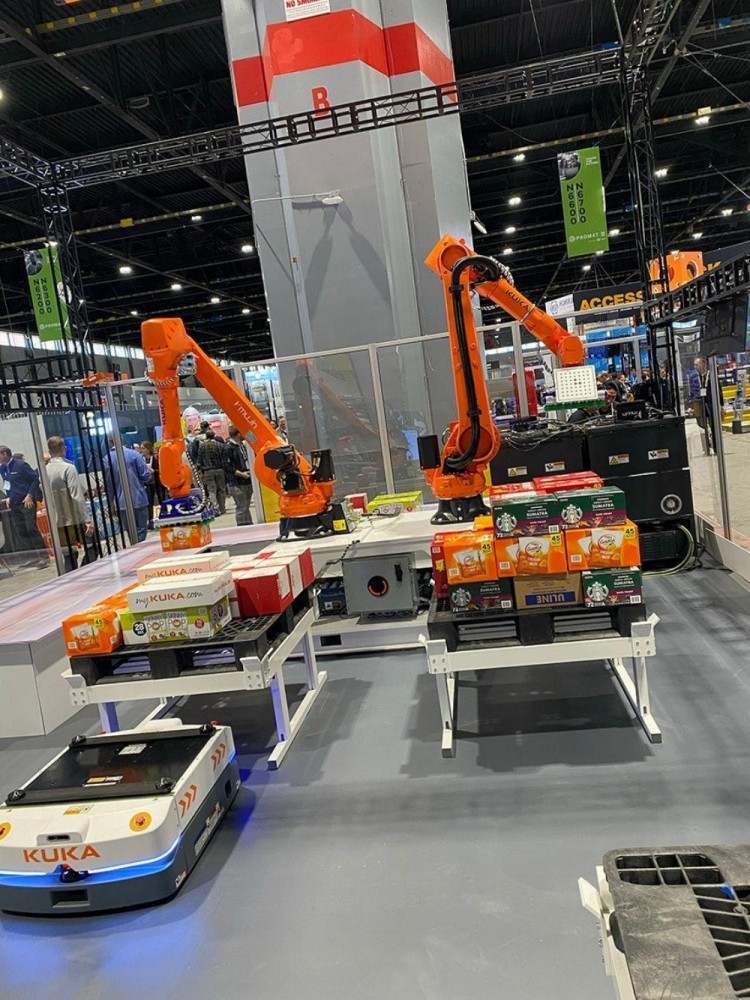 KUKA Robotics Brings Advanced Packaging Automation To PACK EXPO 2026
 Rockwell Automation Opens Registration For Automation Fair 2026 In Boston
 ABB Highlights Legacy DCS Risks As Industrial Plants Accelerate Automation Modernization