100% Original, Ready to Ship!

Siemens and Battery-NY Develop Digital Automation Architecture For Battery Manufacturing
Battery manufacturing is becoming an increasingly important application area for industrial automation, digital twins, and advanced production control. Siemens has announced a collaboration with Battery-NY to develop a digital manufacturing and automation architecture for a flexible battery development and pilot manufacturing facility in New York.
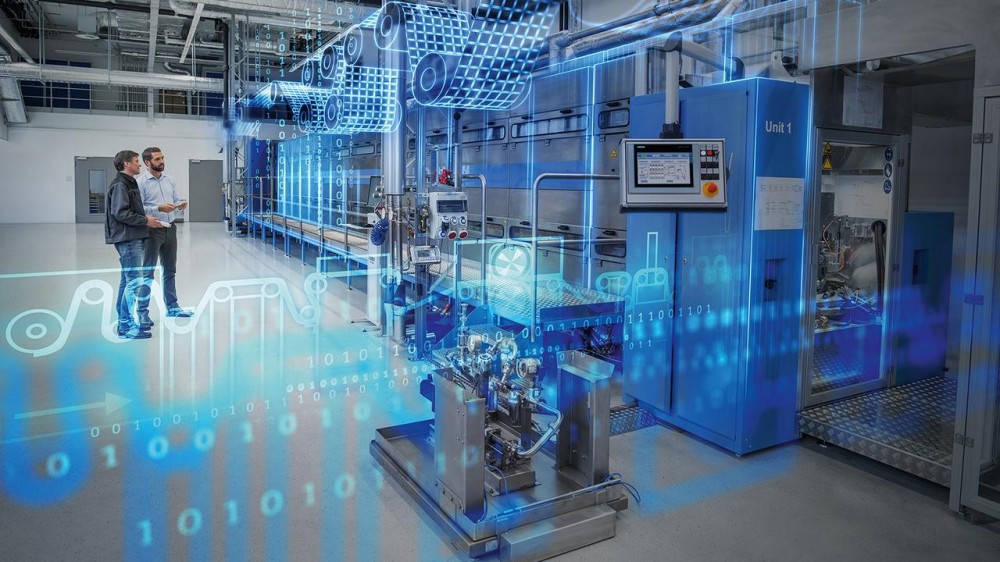
The project focuses on establishing a standardized automation and data architecture that can connect research activities with practical battery manufacturing. The approach is designed to support IT/OT integration while providing an industrial data foundation and a roadmap for digital twin applications.
One of the major challenges in battery production is the integration of equipment from different machine builders. Production lines can contain robots, conveyors, inspection systems, sensors, PLCs, motion-control equipment, process systems, and industrial data platforms from multiple suppliers. Standardized automation architectures can help improve communication between these systems and simplify production-line integration.
Siemens is also applying its Battery Automation Framework, a modular approach intended to support standardization and accelerate engineering in battery cell manufacturing. Reusable engineering structures can help reduce system complexity while providing a more consistent approach to machine and production-line development.
Digital twin technology is another important element of modern battery manufacturing. By connecting physical production equipment with digital models and manufacturing data, engineers can simulate production scenarios, evaluate process changes, and analyze potential improvements before implementing them on physical equipment.
Battery manufacturing requires precise motion control, process monitoring, quality inspection, data acquisition, and synchronization between multiple production stages. These requirements make PLCs, industrial networks, sensors, motion-control systems, SCADA platforms, and manufacturing software important components of modern battery production.
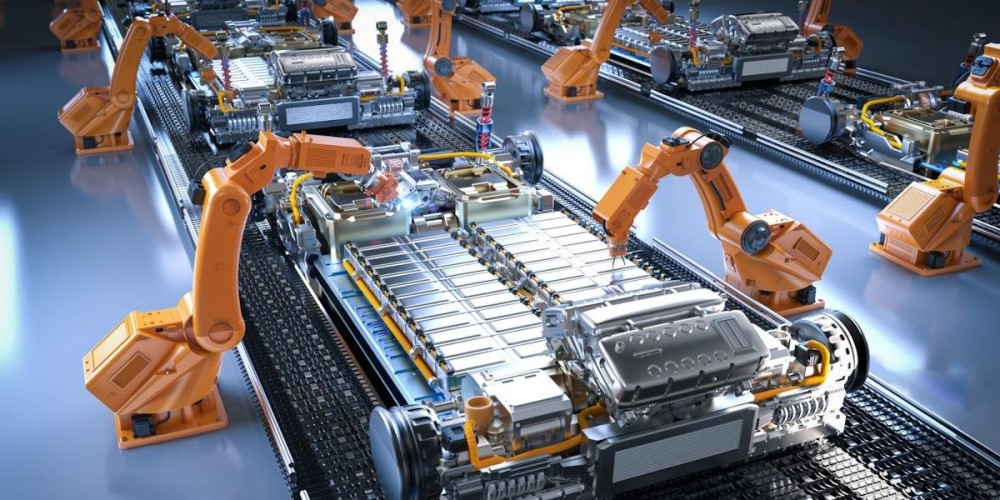
The development demonstrates how industrial automation is moving beyond traditional machine control toward integrated IT/OT architectures, industrial data platforms, digital twins, and standardized production systems. As battery manufacturing capacity continues to expand, advanced automation technologies will remain an important part of building flexible, connected, and data-driven production facilities.
 Rockwell Automation Introduces FactoryTalk Conductor: A New AI Platform For Industrial Automation
 Rockwell Automation Expands Industrial AI Capabilities With NVIDIA Nemotron Support
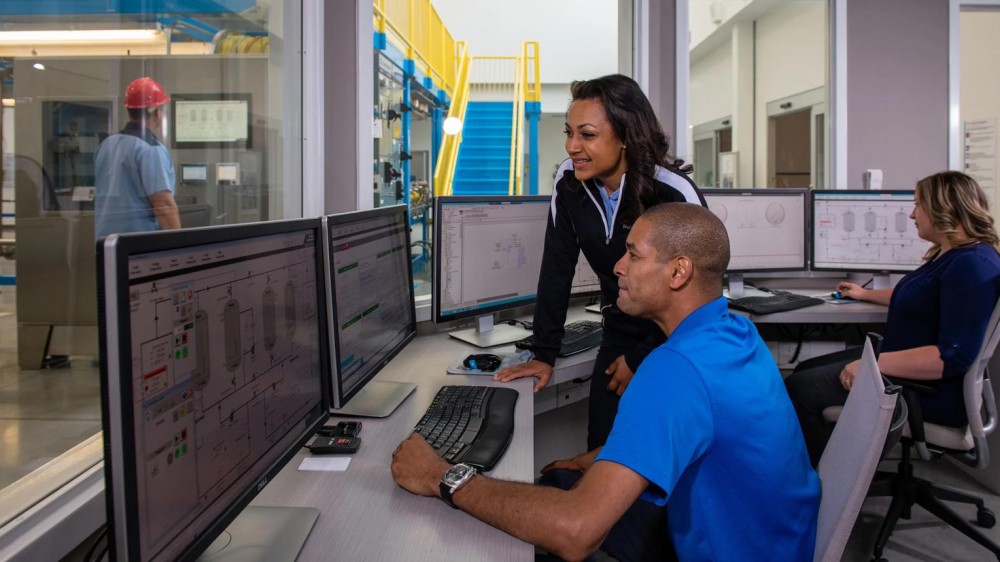 Rockwell Automation Introduces FactoryTalk Conductor To Advance AI-Driven Industrial Automation
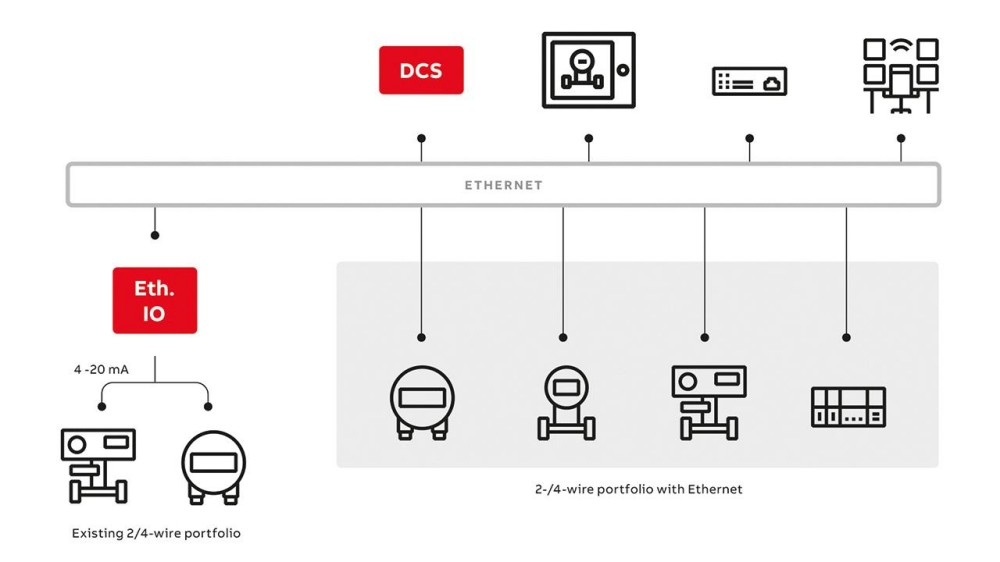 ABB And Boliden Advance DCS Modernization With Ethernet-APL Industrial Automation