100% Original, Ready to Ship!

ABB Strengthens Industrial Automation Market Position Through Digital Transformation
The global industrial automation industry is entering a new stage of development as manufacturers accelerate digital transformation, smart factory implementation, and intelligent control system upgrades. ABB continues to strengthen its role in the automation market by developing advanced industrial technologies, digital solutions, and energy-efficient manufacturing systems.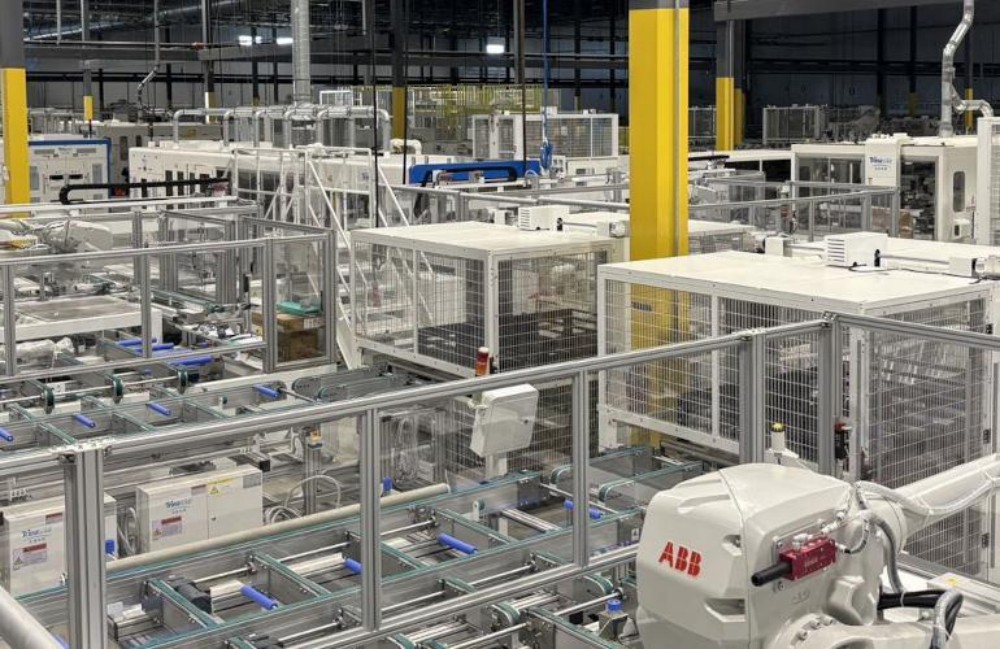
As industries worldwide focus on improving productivity, reducing operational costs, and increasing production flexibility, demand for PLC systems, DCS platforms, industrial controllers, and intelligent monitoring solutions continues to grow. ABB automation technologies are widely used in manufacturing, energy, oil and gas, chemical processing, transportation, and infrastructure industries.
Modern factories are gradually moving from traditional automation environments toward connected and intelligent industrial ecosystems. Through industrial communication networks, edge computing, cloud platforms, and advanced data analytics, manufacturers can achieve real-time equipment monitoring and predictive maintenance.
One of the most important trends in industrial automation is the combination of artificial intelligence with traditional control systems. AI-based industrial technologies can analyze equipment performance, optimize production processes, and help engineers make faster operational decisions. This development is creating new opportunities for automation suppliers, PLC manufacturers, and industrial solution providers.
ABB continues to focus on automation technologies that integrate reliable hardware with intelligent software platforms. Modern industrial systems require not only high-performance controllers and modules but also advanced digital tools that support remote monitoring, data analysis, and operational optimization.
For PLC and DCS users, digital transformation provides significant benefits. Intelligent control systems allow engineers to monitor machine conditions, detect potential failures, and improve production efficiency before problems occur. This approach helps reduce downtime and extend the service life of industrial equipment.
The increasing adoption of smart manufacturing is also driving demand for industrial spare parts, automation modules, control boards, and replacement components. Many factories operating legacy automation systems are upgrading their equipment while maintaining existing production lines. This creates continuous demand for reliable automation components and technical services.
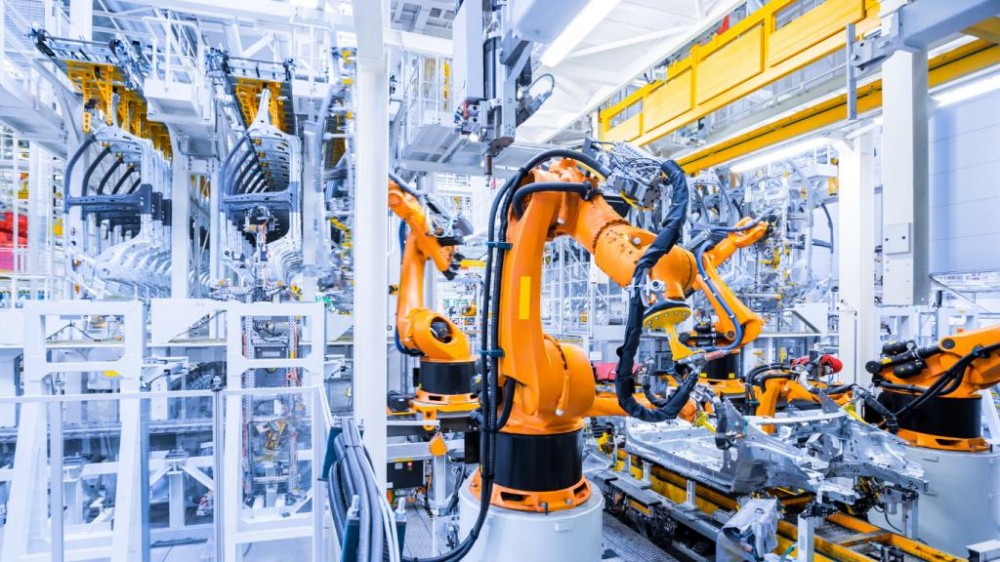
The future of industrial automation will be shaped by intelligent control technologies, cybersecurity improvements, digital twins, and flexible manufacturing solutions. Companies that successfully adopt these technologies will achieve higher efficiency, improved quality control, and stronger competitiveness.
ABB’s continuous development in automation technology represents the transformation of traditional industrial control systems into intelligent and connected manufacturing environments.
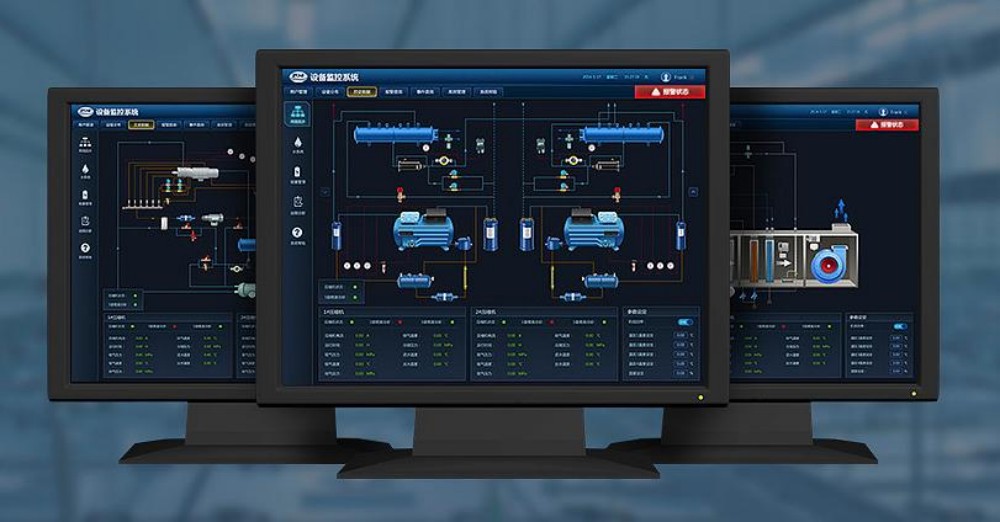 PLC And DCS Integration Becomes Key Technology Trend For Next Generation Industrial Automation Systems
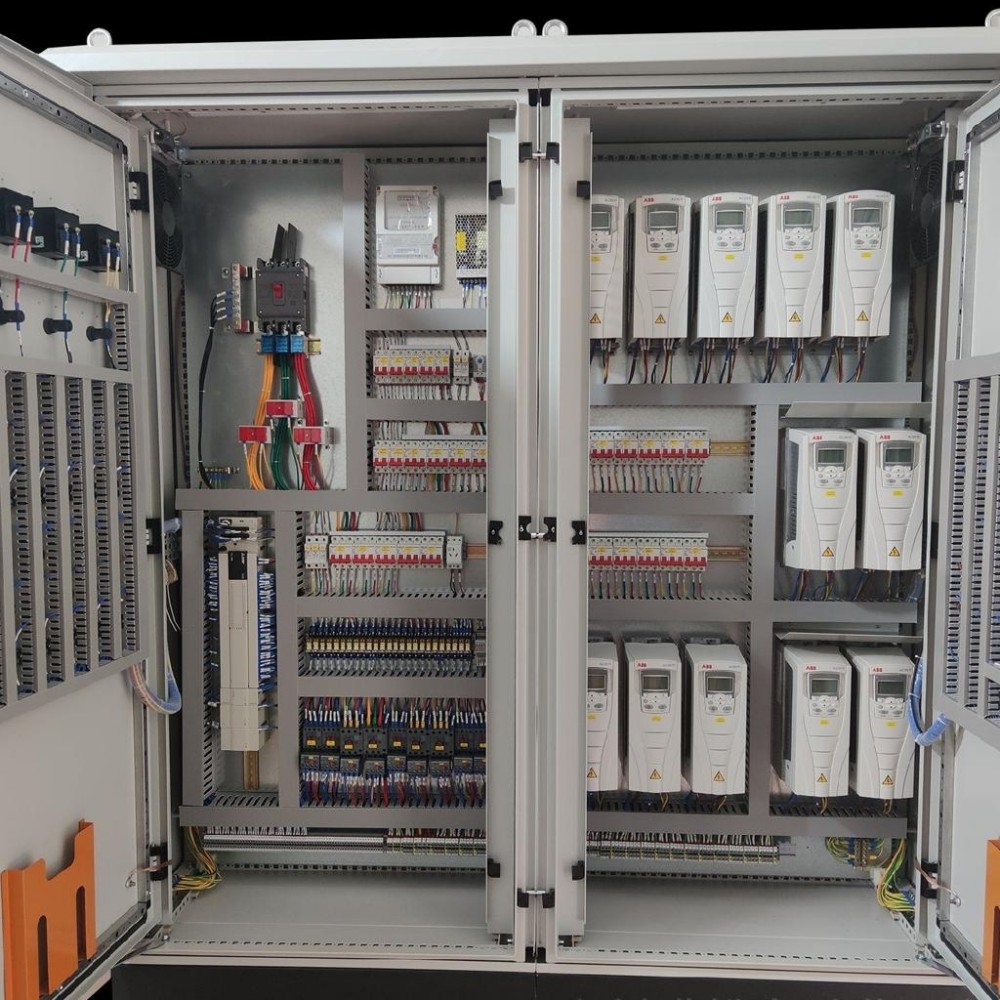 ABB Expands Industrial Automation Strategy With Advanced Electrification And Control Technology Development
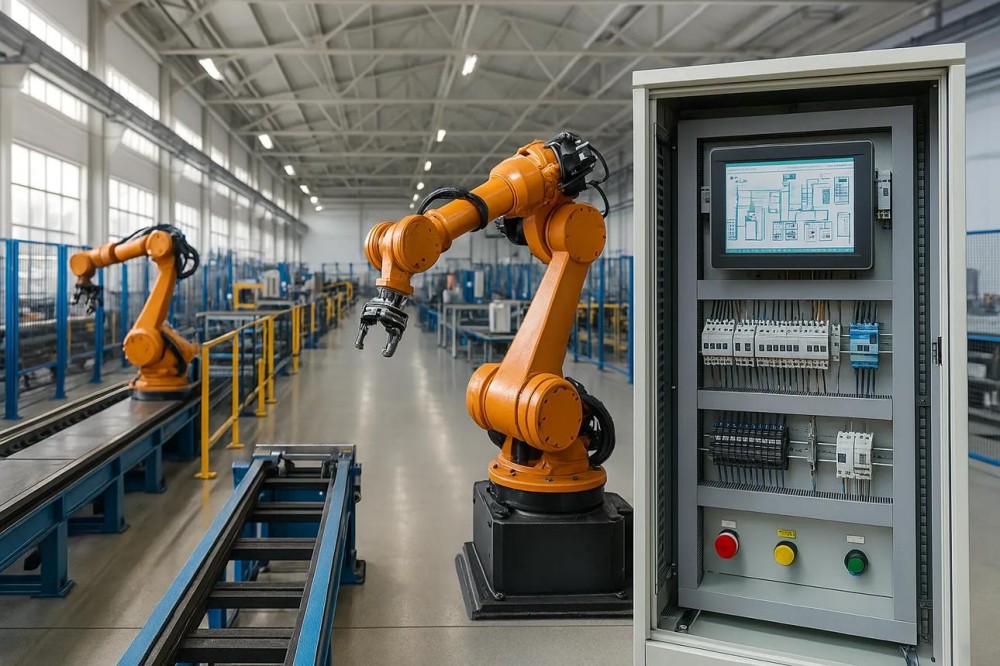 Industrial Automation Trends 2026: AI-Powered PLC And DCS Systems Accelerate Smart Factory Development
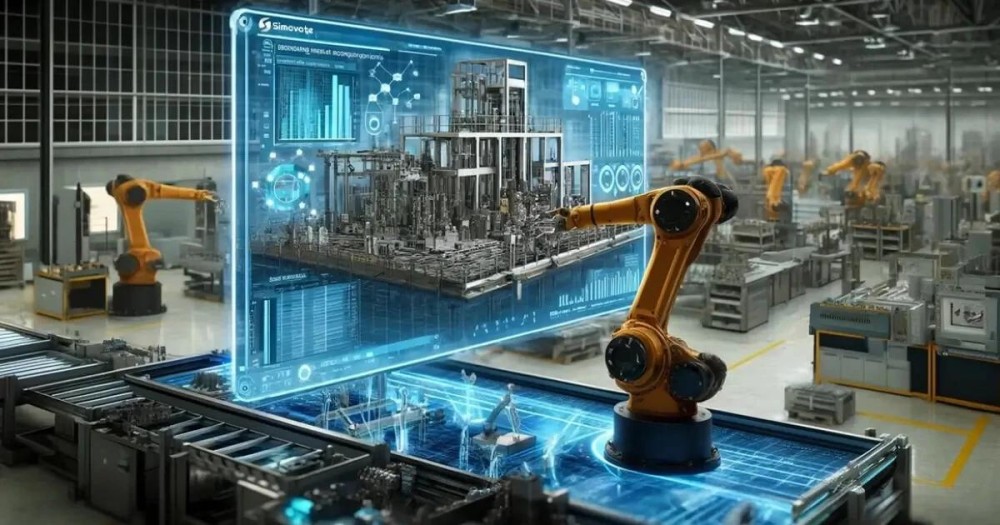 AI And Digital Twin Technologies Transform The Future Of Industrial Automation Systems