100% Original, Ready to Ship!

Industrial Automation Market Expands With Advanced Valve Control And Intelligent Process Solutions
The global industrial automation market continues to grow as manufacturers and process industries invest in advanced control technologies, intelligent equipment, and digital solutions. The development of automated valve control systems is becoming an important trend in modern industrial facilities, especially in energy, chemical, water treatment, and manufacturing applications.
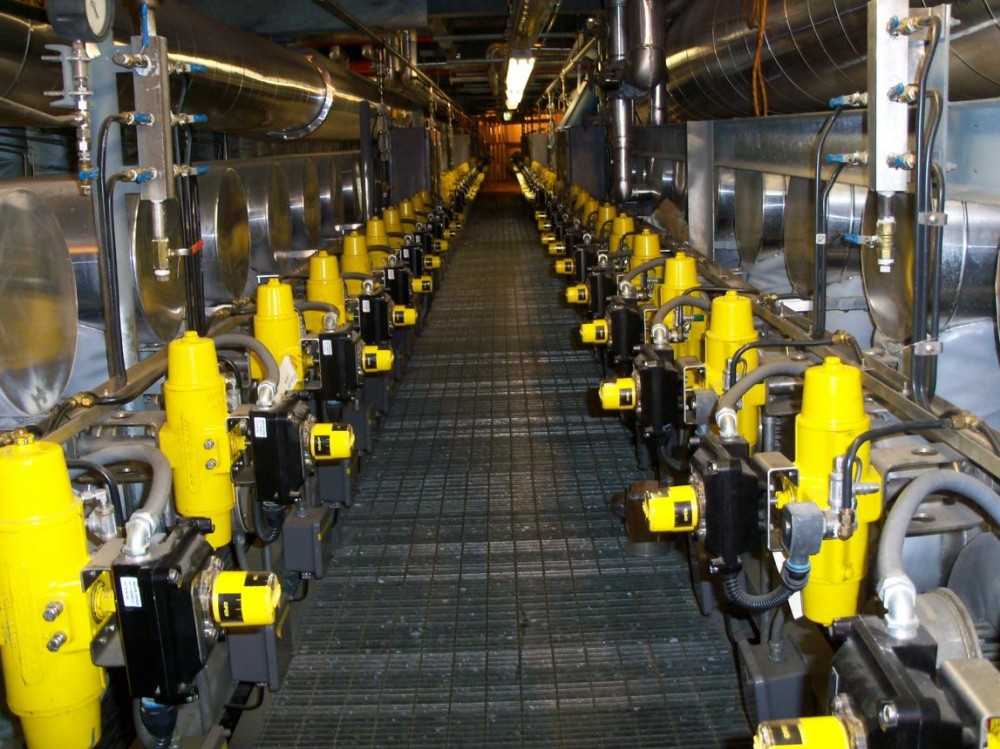
Valve automation plays a critical role in industrial process control. Automated valves are widely used to regulate the flow of liquids, gases, and other materials in complex production environments. By integrating valve systems with PLC controllers and DCS platforms, companies can achieve more accurate process management and improved operational safety.
Modern industrial facilities require field equipment that can communicate efficiently with automation networks. Sensors, actuators, controllers, and monitoring systems must work together to create reliable and flexible production environments.
The integration of intelligent valve automation technologies provides several advantages for industrial users. Operators can monitor equipment status in real time, adjust process parameters remotely, and identify potential problems before they affect production.
Digital transformation is also changing the way industries manage equipment maintenance. Instead of relying only on scheduled inspections, companies are increasingly using condition monitoring and predictive maintenance technologies to improve equipment reliability.
For industries operating critical infrastructure, automation components must provide long-term stability under demanding conditions. PLC modules, DCS components, industrial sensors, control boards, and communication devices are essential parts of modern automation systems.
The expansion of intelligent automation solutions is creating new opportunities for automation suppliers and engineering companies worldwide. Many factories are upgrading existing systems by replacing outdated components, improving communication networks, and adding digital monitoring capabilities.
Another important trend is the increasing connection between field-level equipment and enterprise-level management systems. Industrial companies are using automation data to improve production planning, reduce energy consumption, and optimize operational efficiency.
For global customers purchasing automation products, reliable spare parts and replacement components remain highly important. Many industrial facilities continue operating existing PLC and DCS systems while gradually introducing newer technologies.
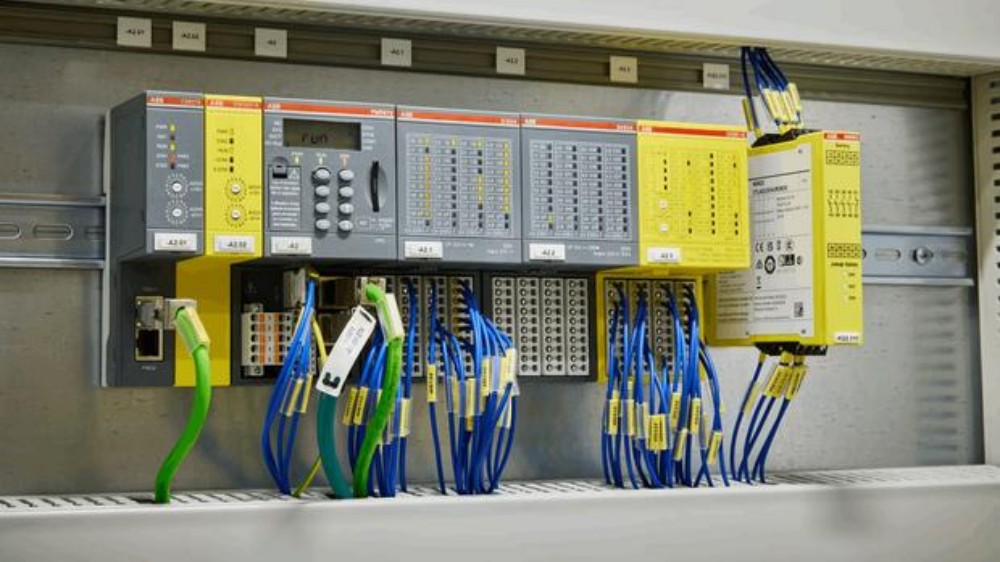
The future development of industrial automation will depend on the combination of hardware reliability, software intelligence, and digital connectivity. Advanced valve control, intelligent sensors, PLC systems, and DCS platforms will continue supporting industries as they move toward smarter and more efficient production.
With the continued growth of Industry 4.0, industrial automation technologies will remain a key driver of manufacturing innovation and global industrial development.
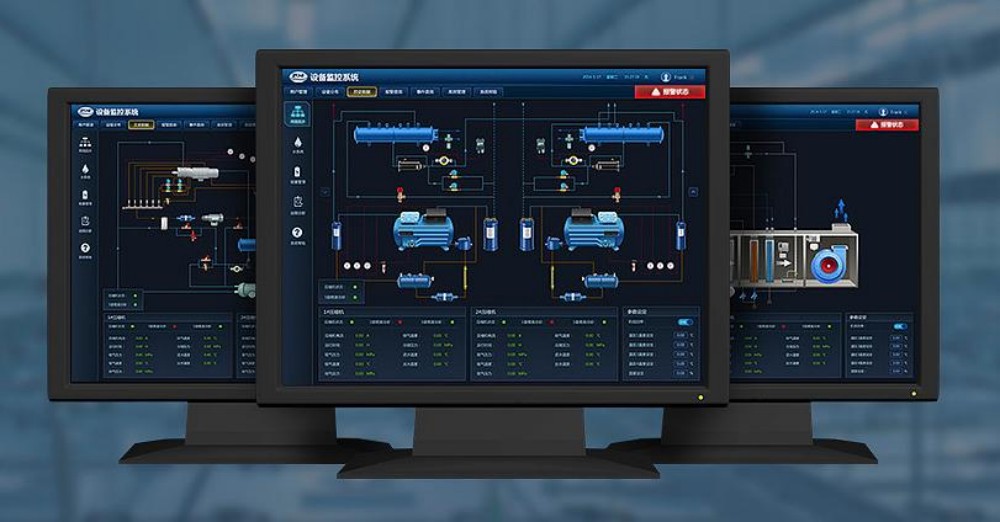 PLC And DCS Integration Becomes Key Technology Trend For Next Generation Industrial Automation Systems
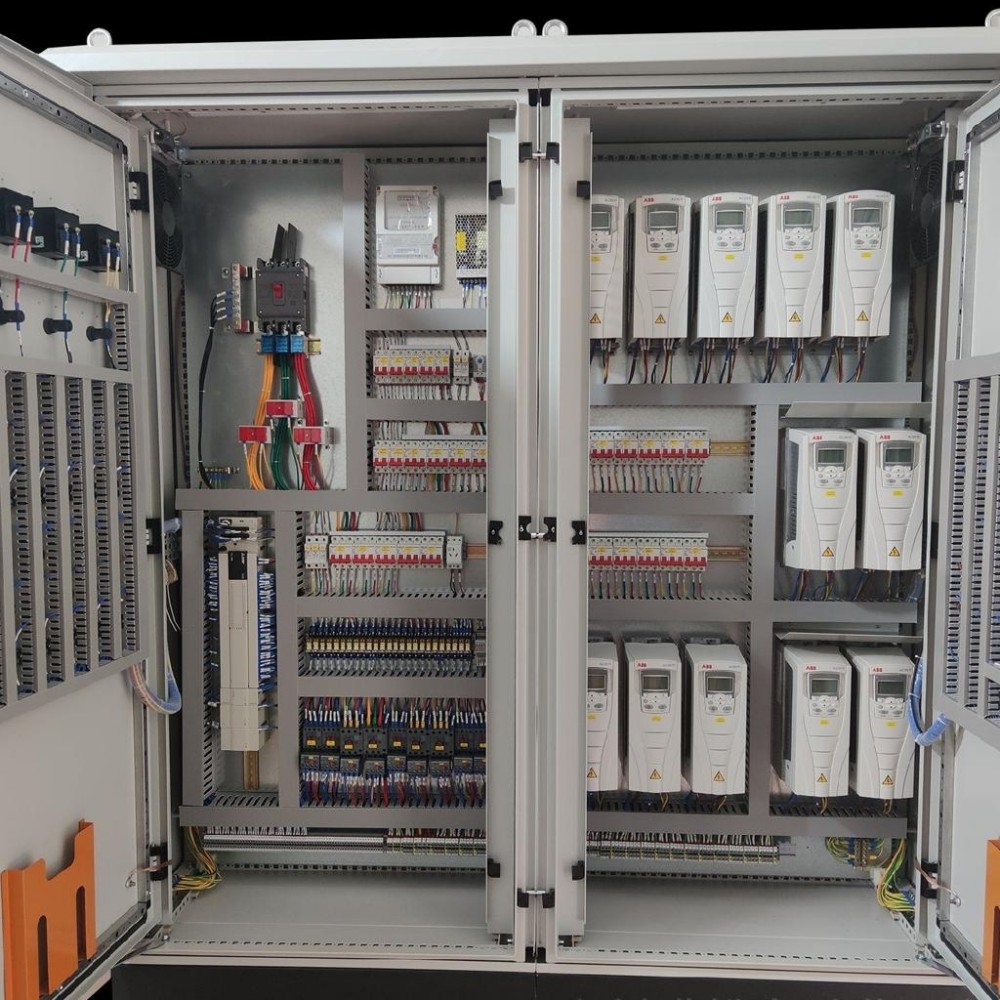 ABB Expands Industrial Automation Strategy With Advanced Electrification And Control Technology Development
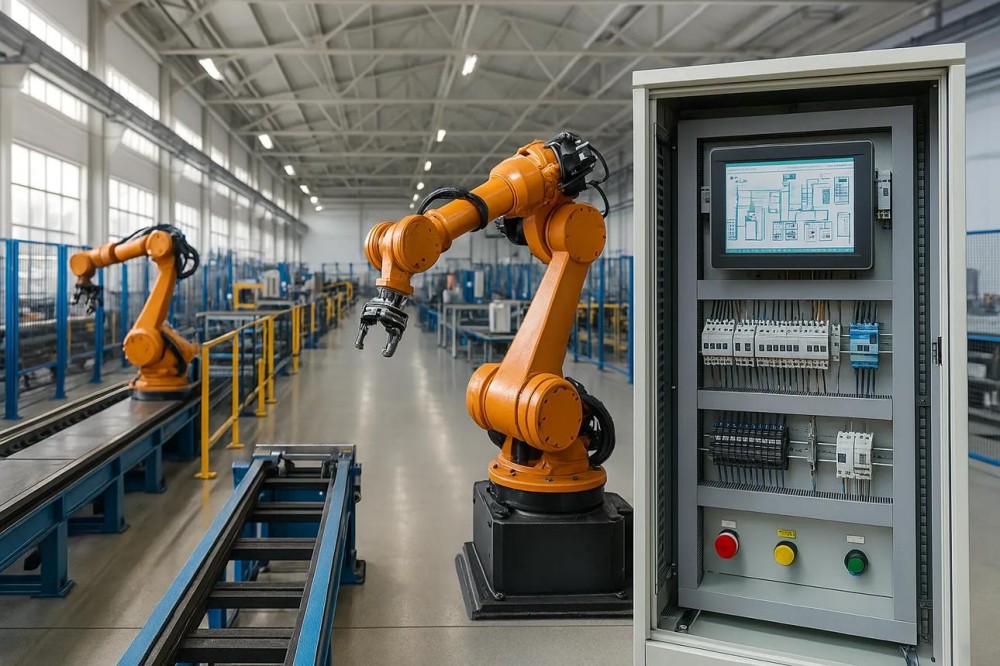 Industrial Automation Trends 2026: AI-Powered PLC And DCS Systems Accelerate Smart Factory Development
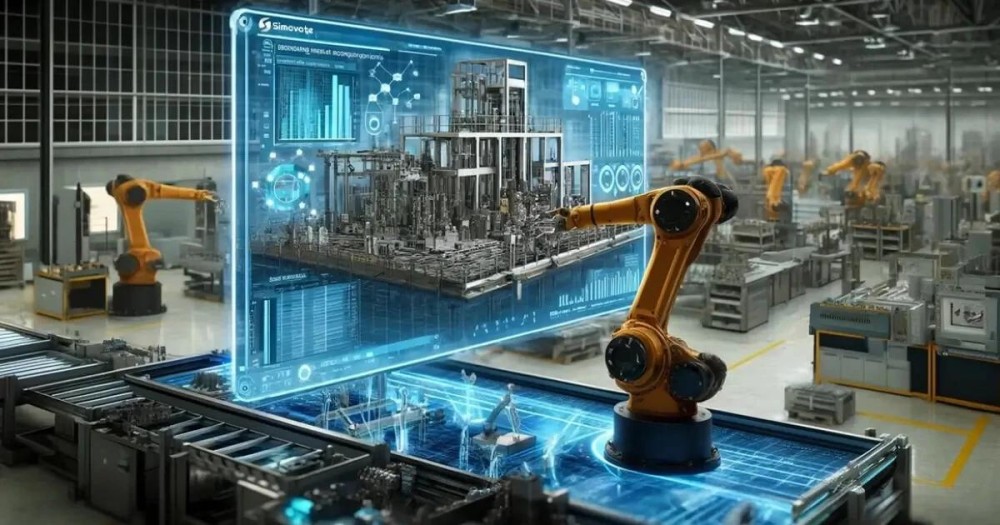 AI And Digital Twin Technologies Transform The Future Of Industrial Automation Systems