100% Original, Ready to Ship!

Industrial Automation Market Expands As Manufacturers Accelerate AI, PLC, And Smart Factory Transformation
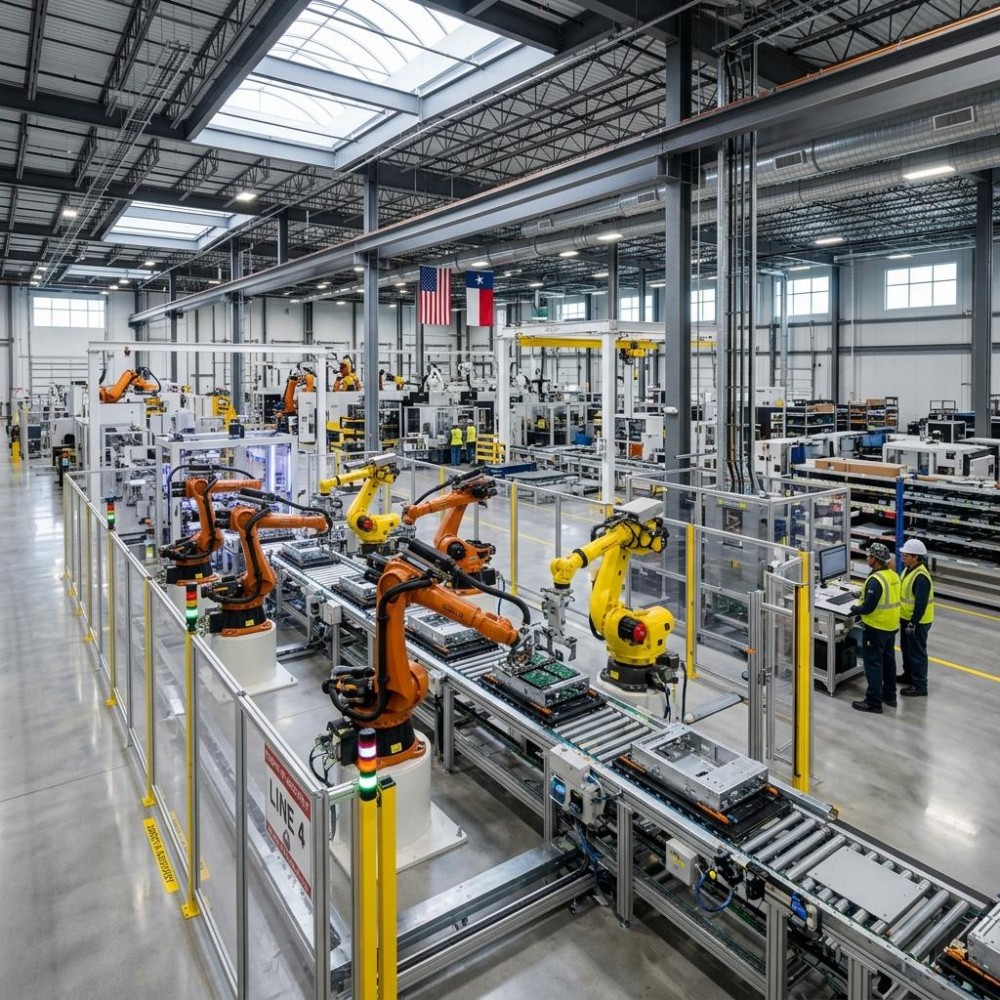
The global industrial automation market is continuing to grow as manufacturers accelerate digital transformation and invest in advanced automation technologies. Companies across different industries are focusing on improving production efficiency, reducing operational costs, and building more intelligent manufacturing systems.
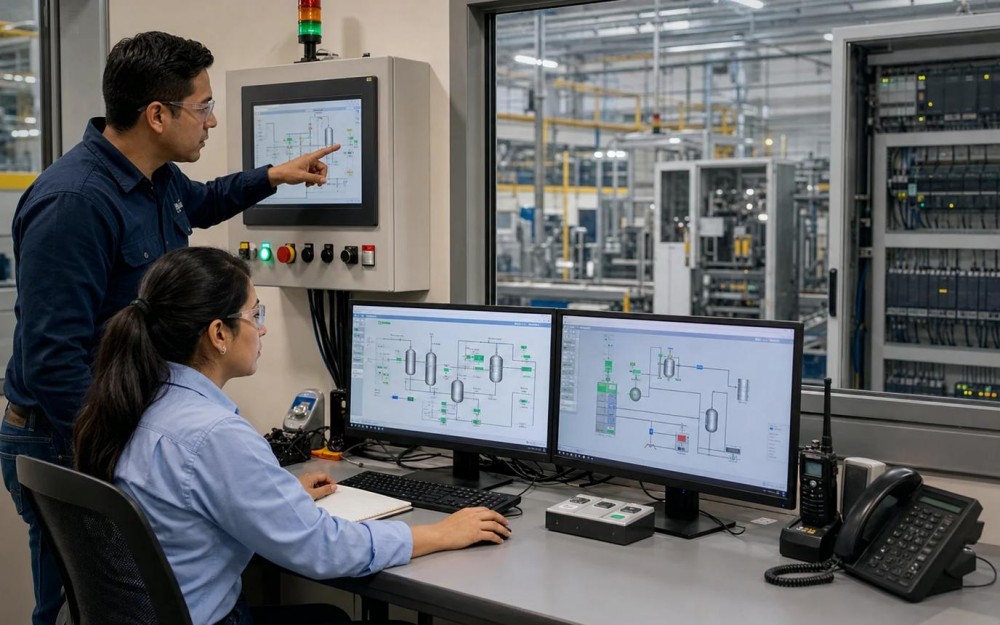
Artificial intelligence, industrial IoT, cloud computing, and edge technologies are becoming important elements in modern automation strategies. Manufacturers are moving from traditional automation solutions toward connected industrial ecosystems that provide real-time monitoring and intelligent optimization.
PLC systems remain the foundation of industrial control because they provide reliable operation, fast response, and stable performance in manufacturing environments. However, modern PLC platforms are becoming more powerful by integrating industrial communication, remote monitoring, and data analysis capabilities.
By connecting PLC controllers with sensors, industrial networks, and software platforms, manufacturers can collect valuable production data and improve equipment performance. Predictive maintenance technology allows engineers to identify potential equipment problems before unexpected failures occur.
In process industries, DCS systems continue to play an essential role in controlling complex production processes. Industries such as energy, chemical, water treatment, and pharmaceuticals are upgrading their distributed control systems with advanced monitoring and intelligent automation functions.
Industrial cybersecurity is also becoming a major concern as factories become increasingly connected. Manufacturers are improving network security, communication protection, and automation system reliability to ensure safe industrial operations.
The growth of smart manufacturing is creating strong demand for automation replacement parts and maintenance solutions. Many companies continue using existing PLC and DCS platforms and require compatible modules, control boards, communication components, and industrial accessories.

Automation suppliers that provide reliable spare parts and technical support are becoming increasingly important partners for global manufacturers. Supporting legacy automation systems helps factories extend equipment life cycles and reduce unnecessary replacement costs.
The future of industrial automation will be driven by the combination of hardware reliability and software intelligence. PLC controllers, DCS systems, industrial sensors, robotics, and AI technologies will work together to create smarter, safer, and more efficient manufacturing environments worldwide.
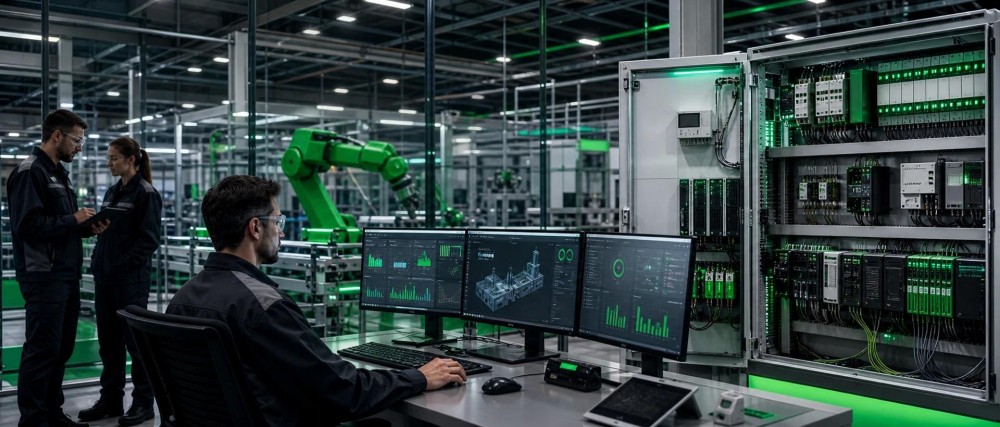 Software-Defined Automation Gains Momentum As Manufacturers Modernize Brownfield Industrial Systems
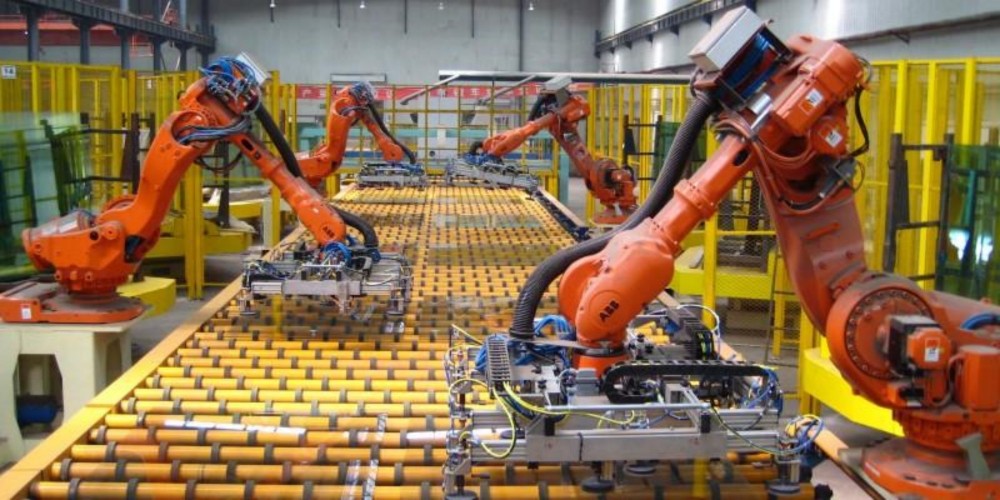 North American Robot Orders Reach $622 Million As Industrial Automation Demand Expands In 2026
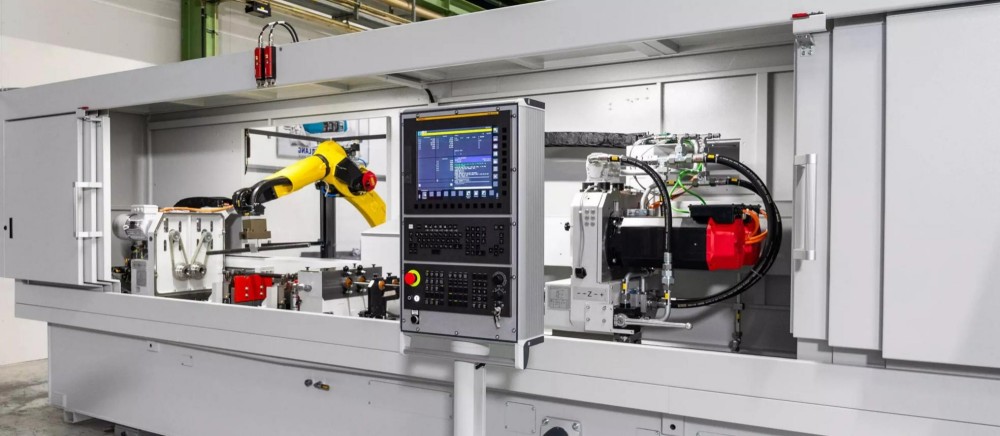 FANUC Launches 5-Axis Integrated Technology Initiative To Improve CNC Automation And Manufacturing Efficiency
 U.S. Industrial Robot Installations Rise 11% As Flexible Automation Expands