100% Original, Ready to Ship!

ABB Robotics Advances Industrial Automation With AI-Powered Robots And Smart Factory Solutions
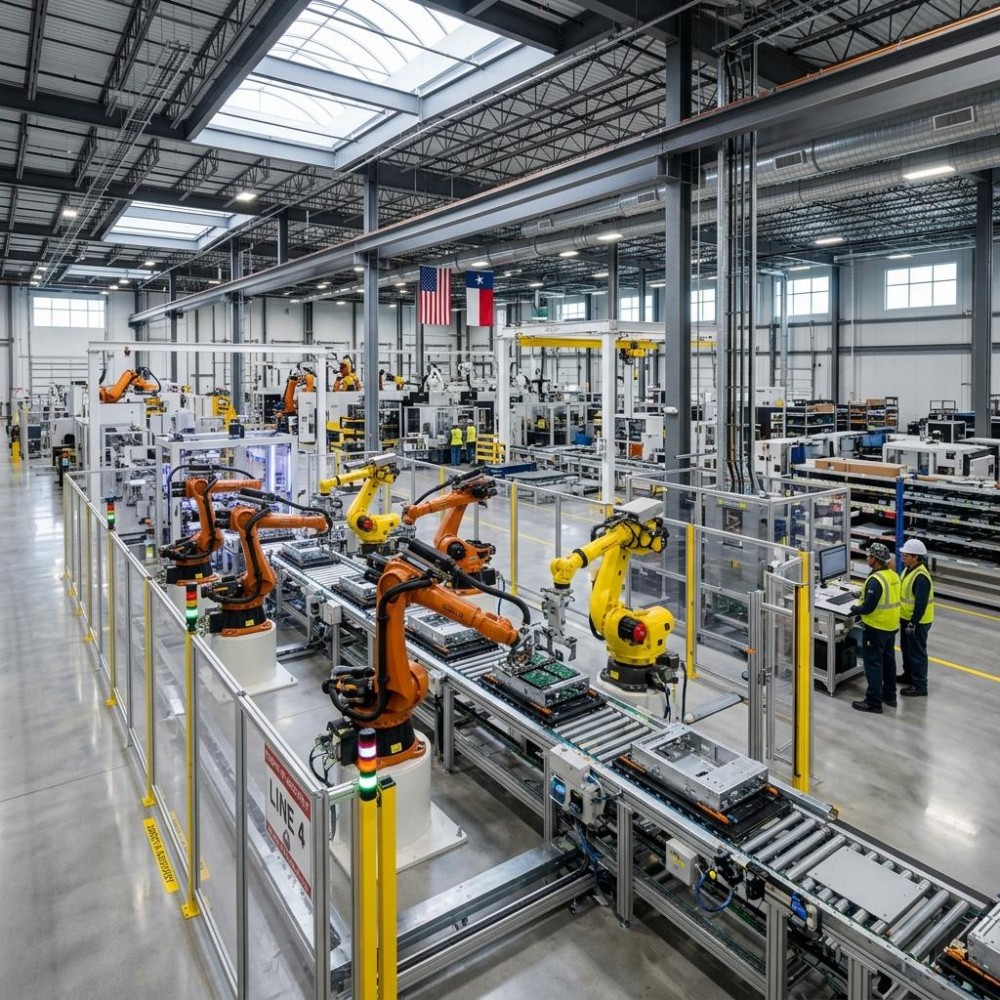
The industrial robotics industry is experiencing rapid transformation as artificial intelligence technologies become increasingly integrated into manufacturing environments. Intelligent robots, advanced sensors, and automation software are changing the way factories operate and creating new possibilities for smart manufacturing.
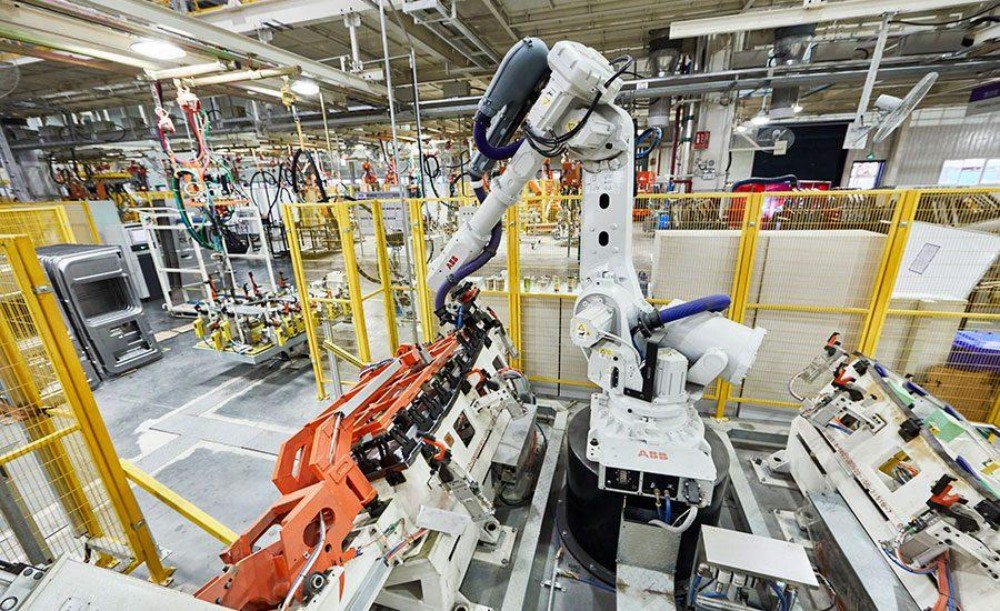
Modern industrial robots are developing beyond traditional programmed machines. With artificial intelligence, machine vision, and advanced control technologies, robots can now recognize complex environments, adapt to production changes, and perform more flexible operations.
The combination of robotics technology with PLC control systems and industrial communication networks has become a key development direction for modern factories. Production lines require seamless communication between robots, programmable logic controllers, motion control systems, and manufacturing management platforms.
AI-powered robotic systems help manufacturers improve productivity, reduce production errors, and increase operational flexibility. These technologies are widely used in automotive manufacturing, electronics assembly, logistics automation, packaging, and precision industrial applications.
Machine vision technology is also becoming an important part of intelligent automation. By using cameras, sensors, and AI algorithms, robots can identify products, perform quality inspections, and complete complex assembly tasks with higher accuracy.
For existing factories, intelligent robot integration provides an effective way to upgrade automation performance. Many manufacturers are improving production efficiency by connecting new robotic systems with existing PLC platforms, industrial networks, and automation equipment.
This development is increasing demand for reliable automation hardware, including PLC modules, communication units, industrial sensors, control cards, and motion control components. These devices provide stable connections between intelligent machines and factory automation systems.
As Industry 4.0 continues to expand, industrial robots will become more intelligent, connected, and autonomous. The future factory will rely on cooperation between humans, robots, and advanced control systems to achieve higher productivity and improved manufacturing quality.
The integration of AI, robotics, PLC technology, and industrial automation systems represents one of the most important trends shaping the future of global manufacturing.
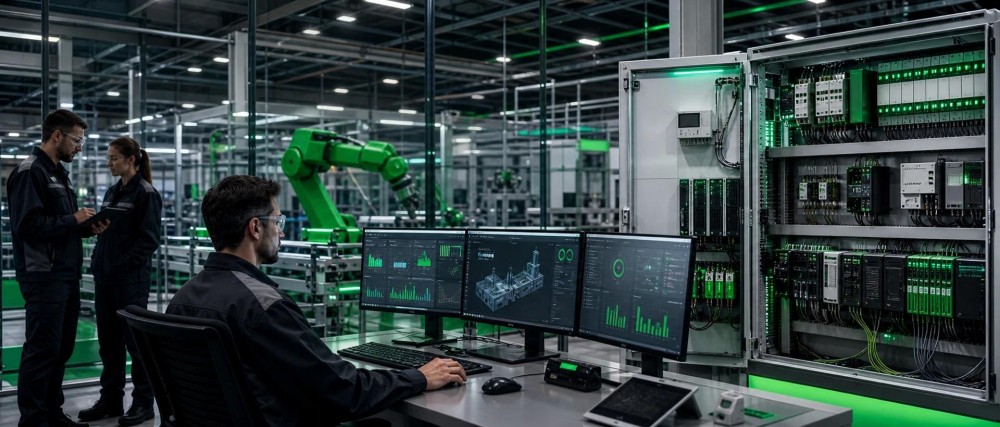 Software-Defined Automation Gains Momentum As Manufacturers Modernize Brownfield Industrial Systems
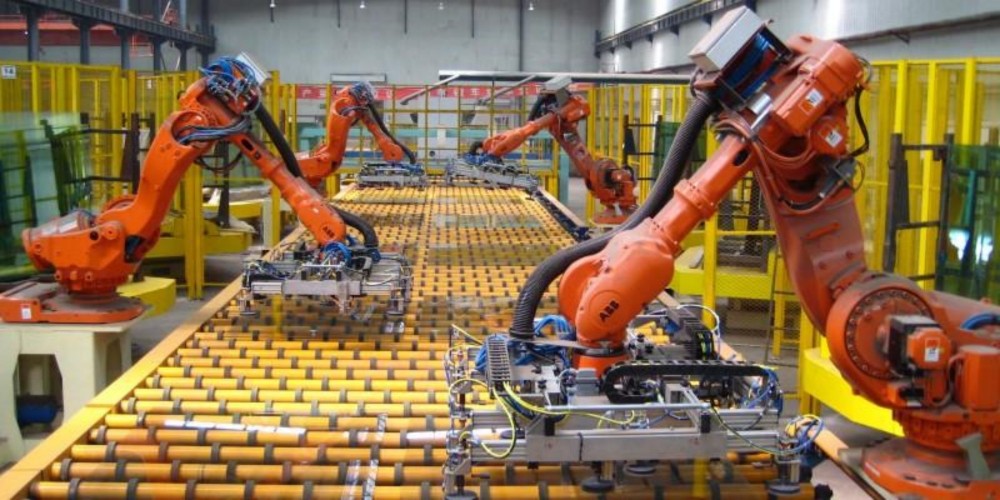 North American Robot Orders Reach $622 Million As Industrial Automation Demand Expands In 2026
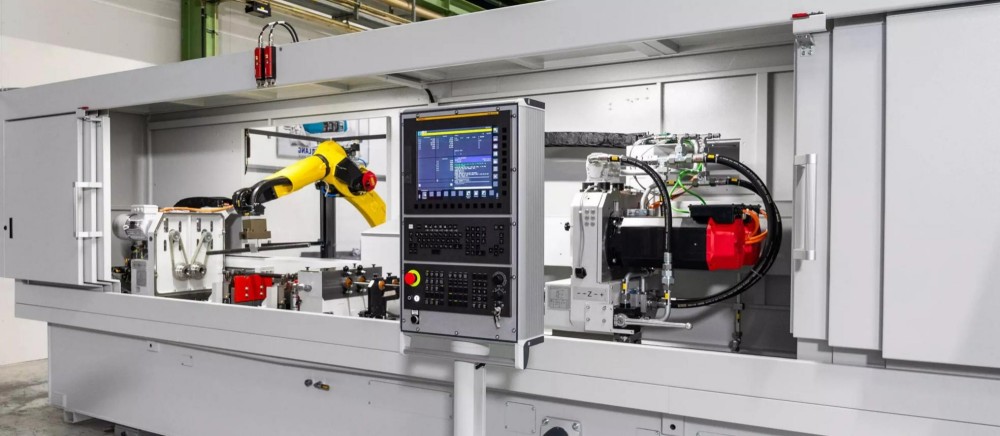 FANUC Launches 5-Axis Integrated Technology Initiative To Improve CNC Automation And Manufacturing Efficiency
 U.S. Industrial Robot Installations Rise 11% As Flexible Automation Expands