100% Original, Ready to Ship!

Industrial Automation Industry Accelerates with AI-Powered Smart Manufacturing And Advanced Control Systems In 2026
The global industrial automation industry is entering a new stage of development in 2026, driven by artificial intelligence (AI), industrial IoT (IIoT), digital twins, and advanced automation control technologies. Manufacturers worldwide are increasing investments in smart factories to improve production efficiency, reduce operational costs, and achieve higher levels of automation.
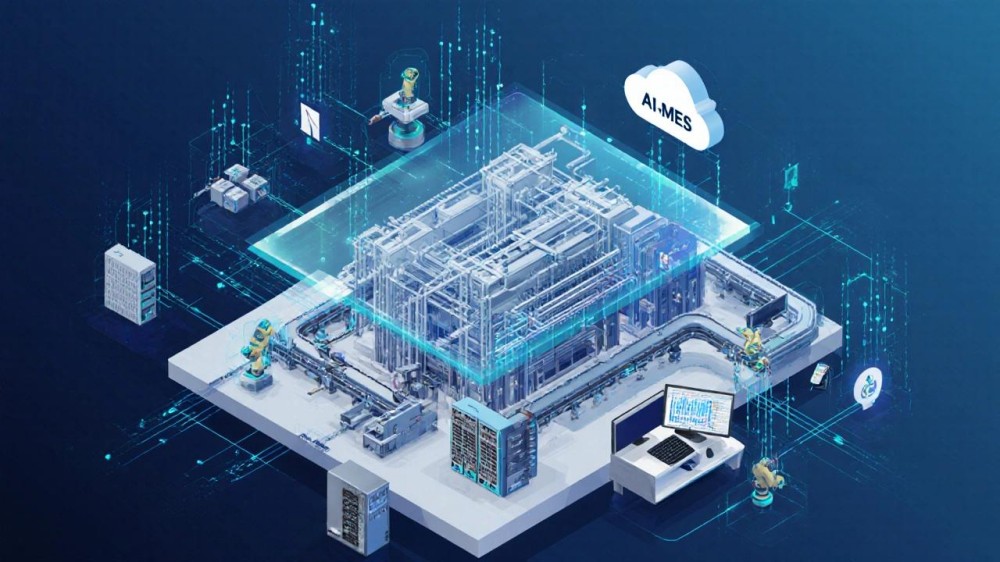
Traditional automation systems based on PLC controllers, DCS platforms, SCADA systems, and industrial communication networks are evolving into intelligent automation ecosystems. Modern factories are no longer focused only on automatic operation but also on real-time data analysis, predictive maintenance, and intelligent decision-making.
Artificial intelligence is becoming an important technology in industrial control applications. By integrating AI algorithms with PLC systems and industrial software platforms, manufacturers can analyze machine conditions, identify abnormal operations, and optimize production processes before equipment failures occur. This transformation helps companies reduce unexpected downtime and improve equipment reliability.
In process industries such as oil and gas, chemical manufacturing, power generation, and pharmaceutical production, DCS systems continue to provide reliable control and monitoring capabilities. Advanced distributed control systems are now being combined with edge computing, industrial networks, and intelligent analytics platforms to improve operational visibility.
The development of smart manufacturing is also increasing demand for advanced industrial automation components. High-performance PLC CPUs, communication modules, remote I/O systems, industrial sensors, control boards, and automation accessories are becoming essential parts of modern production environments.
Automation manufacturers are focusing on software-defined automation, digital engineering, and intelligent control solutions. The integration between automation hardware and industrial software enables factories to create flexible production systems that can quickly respond to changing market requirements.
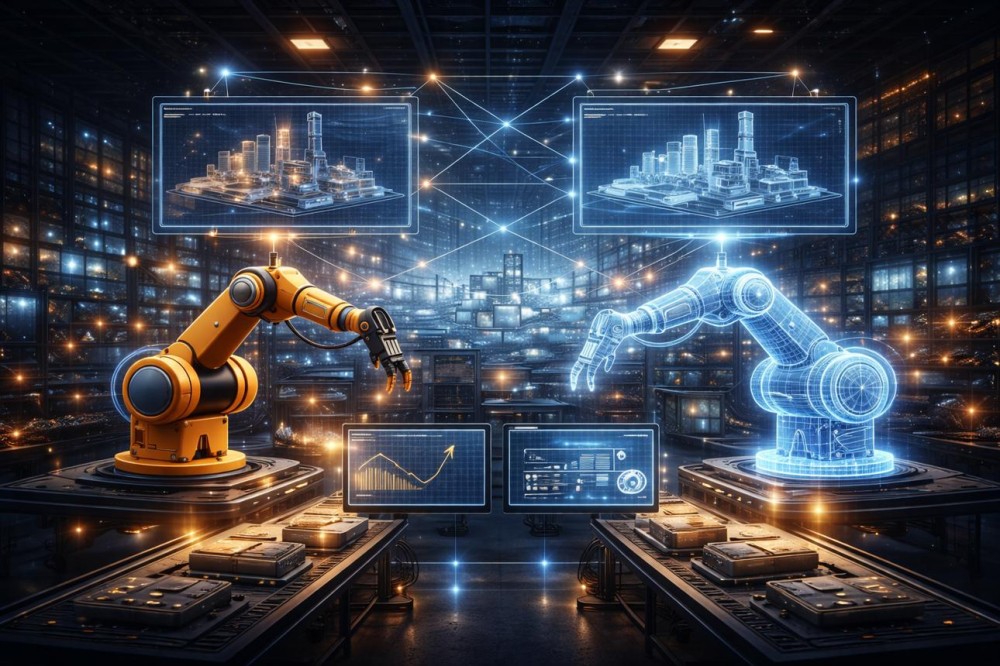
For industrial automation suppliers, this trend creates new opportunities in PLC spare parts, DCS replacement modules, industrial control components, and system upgrade services. Many factories around the world are upgrading existing automation systems instead of replacing complete production lines.
The future of industrial automation will depend not only on faster controllers and smarter machines but also on the ability to connect, analyze, and optimize industrial operations. AI-driven automation will become a major force in creating efficient, sustainable, and flexible manufacturing systems.
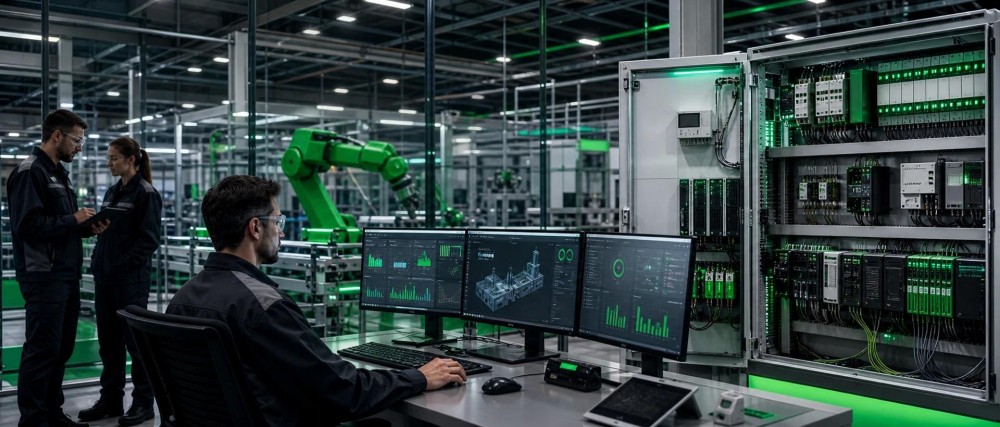 Software-Defined Automation Gains Momentum As Manufacturers Modernize Brownfield Industrial Systems
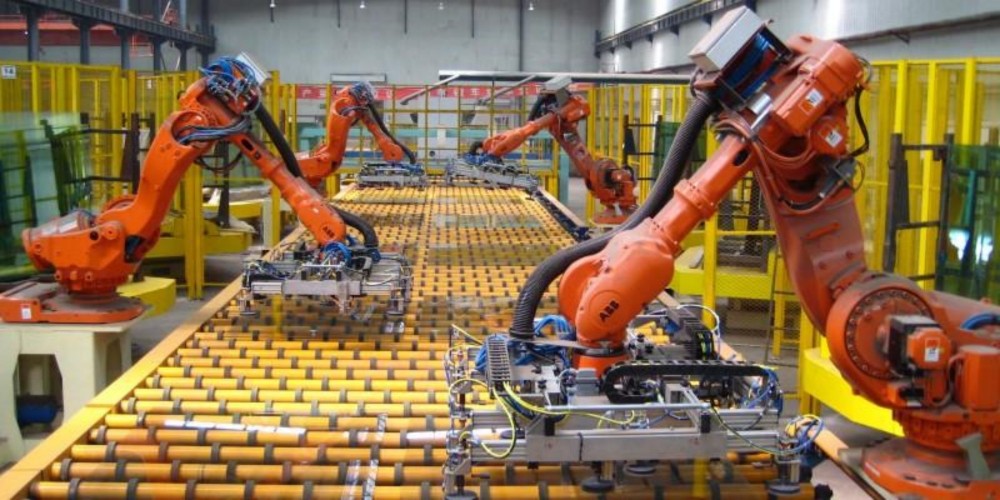 North American Robot Orders Reach $622 Million As Industrial Automation Demand Expands In 2026
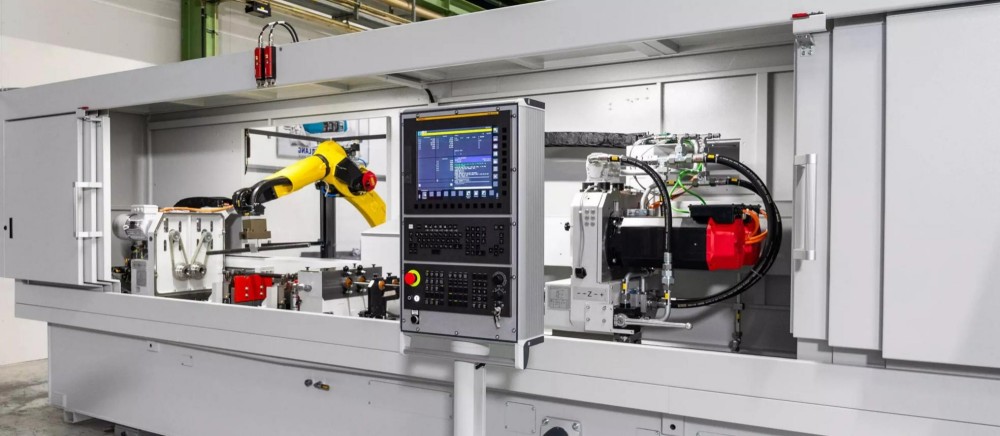 FANUC Launches 5-Axis Integrated Technology Initiative To Improve CNC Automation And Manufacturing Efficiency
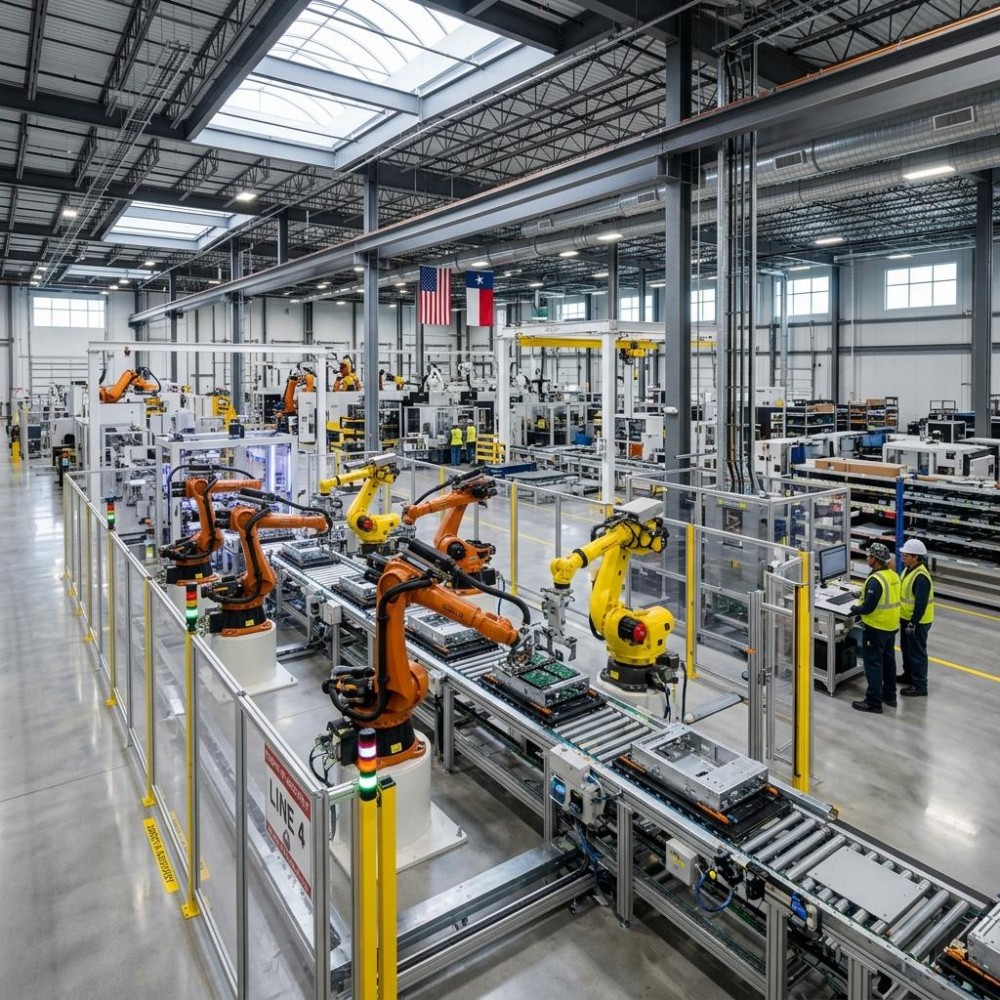 U.S. Industrial Robot Installations Rise 11% As Flexible Automation Expands