100% Original, Ready to Ship!

AI-Powered Smart Factories Become A Major Trend In Global Industrial Automation Market
The global industrial automation market is experiencing rapid transformation as manufacturers increasingly adopt artificial intelligence, robotics, and digital technologies to improve production efficiency.
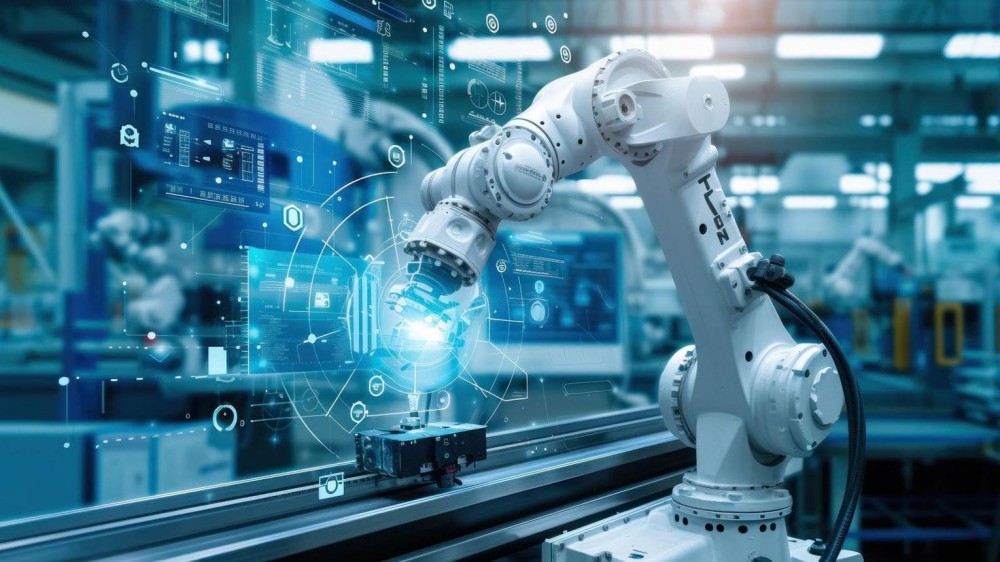
In 2026, smart factories are becoming a major development direction for industries worldwide. Manufacturers are investing in advanced automation systems that combine PLC controllers, industrial networks, sensors, robotics, and AI-based analytics to create more flexible and efficient production environments.
Unlike traditional automated factories that mainly depend on fixed sequences and programmed operations, smart factories can collect large amounts of production data and use intelligent algorithms to optimize manufacturing processes.
Industrial sensors play a critical role in this transformation. Temperature sensors, pressure sensors, vibration monitoring devices, and industrial measurement equipment provide real-time information from machines and production lines. This data allows automation systems to monitor equipment performance and improve operational decisions.
PLC systems remain the foundation of modern factory automation. They provide reliable control for machines, production equipment, and industrial processes. However, PLC technology is increasingly connected with higher-level software platforms, cloud systems, and AI applications.
For DCS applications, intelligent technologies are helping industries improve process control and operational stability. Power plants, chemical facilities, pharmaceutical factories, and energy companies are using advanced automation solutions to optimize complex processes and reduce operational risks.
Another important trend is the modernization of existing factories. Many manufacturers are not building completely new facilities but upgrading existing automation systems through digital transformation. This includes replacing outdated controllers, adding industrial communication modules, installing new sensors, and integrating advanced monitoring software.
The combination of automation hardware and digital intelligence creates significant advantages. Companies can achieve higher production capacity, improved product quality, lower maintenance costs, and better resource management.
Robotics is also expanding rapidly in manufacturing. AI-enabled robots are becoming more adaptable and capable of handling tasks that require vision recognition, precision movement, and flexible operation.
As global competition increases, manufacturers must improve efficiency and reduce production costs. Smart factory technologies provide an effective solution by enabling companies to make faster decisions based on real-time operational information.
For automation suppliers and industrial component providers, the growth of smart factories creates strong demand for PLC modules, DCS spare parts, control boards, industrial sensors, communication devices, and automation accessories.
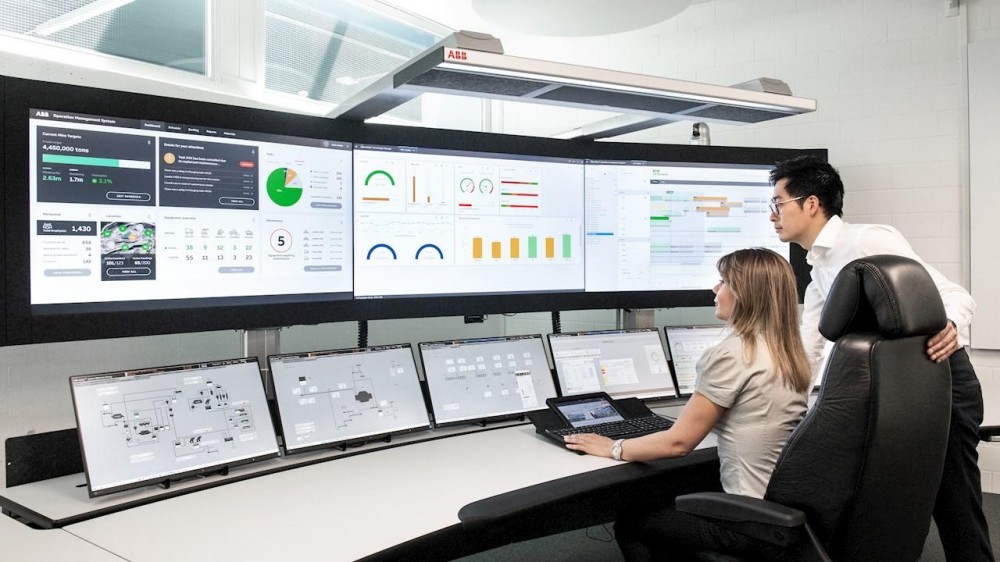
The future of industrial automation will be defined by the combination of reliable control technology and intelligent software. PLC, DCS, AI, and industrial IoT will work together to create a new generation of connected and efficient manufacturing systems.
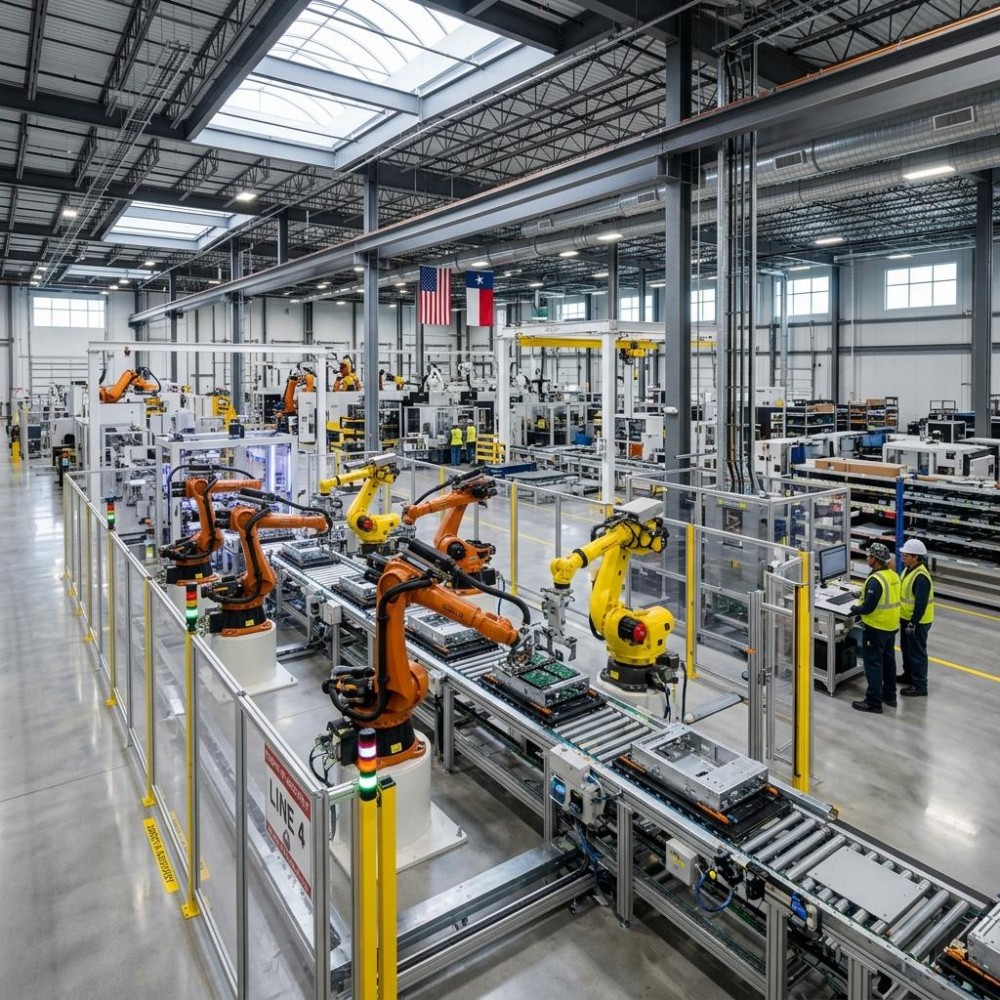 U.S. Industrial Robot Installations Rise 11% As Flexible Automation Expands
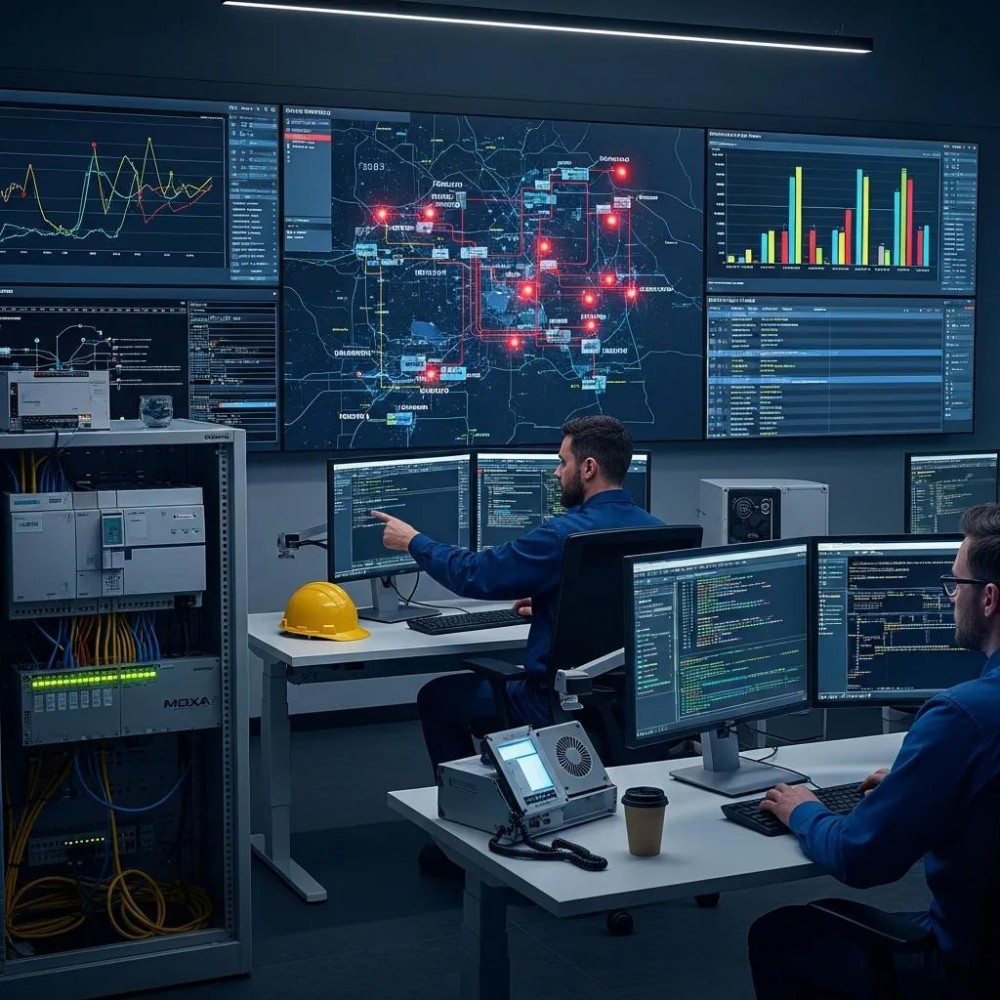 Siemens S7 PLC Cybersecurity Warning Highlights Growing OT Security Risks
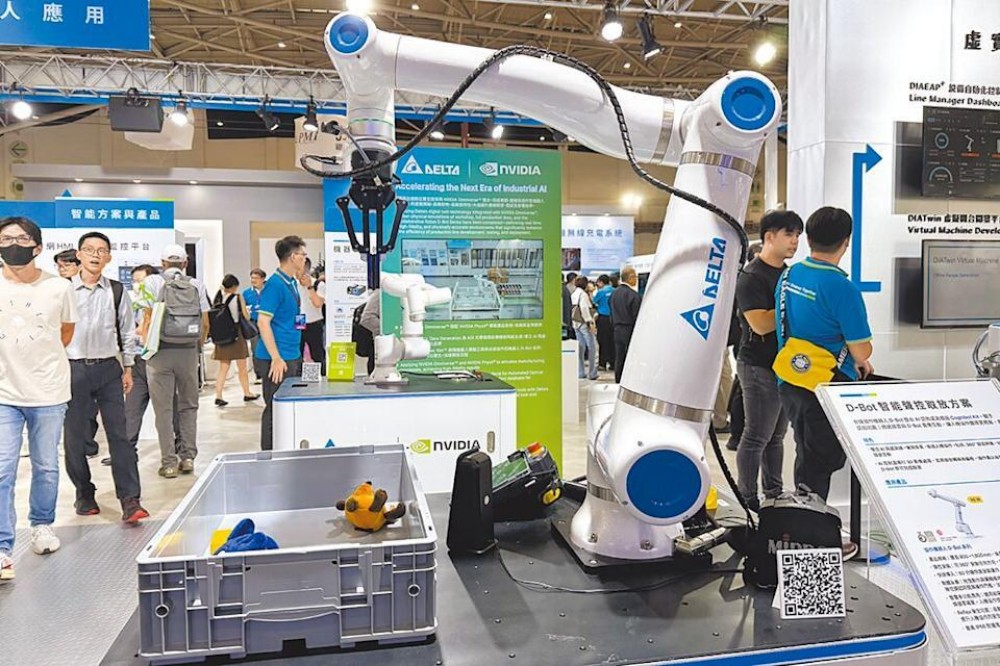 Delta’s Embodied AI And Digital Twins Signal A New Era For Industrial Automation
 Schneider Electric Advances Software-Defined Automation For PLC And DCS Modernization