100% Original, Ready to Ship!

Siemens Industrial AI Solutions Drive Next Generation PLC And Factory Automation Development
Artificial intelligence is becoming one of the most important technologies transforming industrial automation, and Siemens is accelerating the adoption of Industrial AI across manufacturing, engineering, and process automation applications.
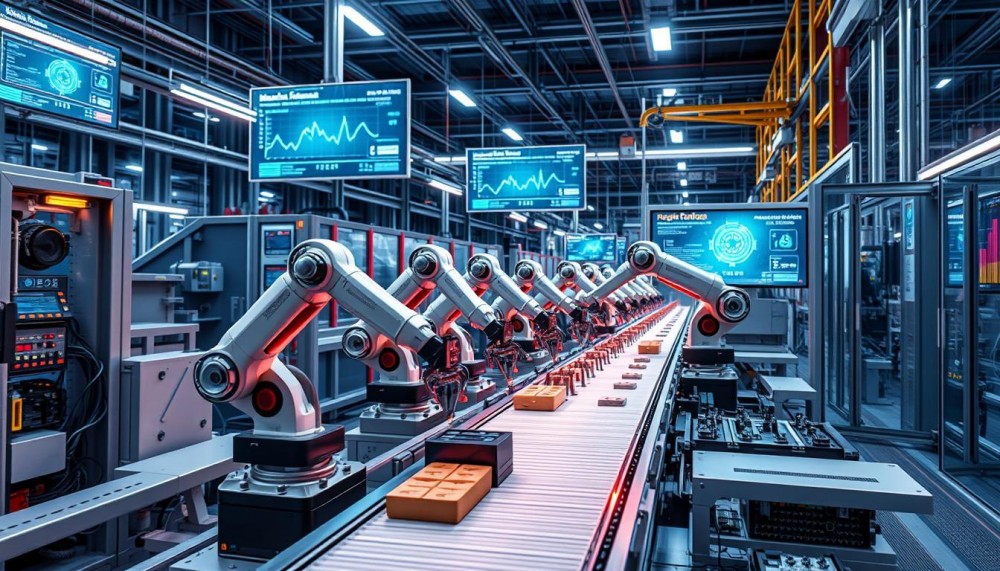
In 2026, Siemens continues expanding its industrial digitalization strategy by integrating artificial intelligence into automation engineering, industrial software, and smart manufacturing solutions. The goal is to help companies improve production efficiency, reduce engineering complexity, and build more flexible factories.
Traditional PLC-based automation systems have provided reliable control for decades. However, modern manufacturing environments require faster decision-making, predictive maintenance, and advanced data analysis. Industrial AI enables automation systems to move beyond fixed programming by using operational data to optimize processes and identify potential issues.
Siemens is developing AI-based engineering technologies that support automation professionals during system design and commissioning. These solutions can assist engineers in creating automation applications, improving programming efficiency, and reducing development time for complex industrial projects.
The combination of PLC, Industrial Ethernet, cloud platforms, and AI analytics is becoming increasingly important for manufacturers. Smart factories require seamless communication between field devices, controllers, sensors, SCADA systems, MES platforms, and enterprise management systems.
In process industries such as chemical production, energy, oil and gas, and water treatment, DCS systems are also evolving with intelligent functions. AI-powered analytics can help operators monitor equipment conditions, optimize process parameters, and improve energy efficiency.
One major advantage of Industrial AI is predictive maintenance. Instead of waiting for equipment failure, manufacturers can analyze vibration data, temperature signals, and operating conditions to predict potential problems. This reduces unplanned shutdowns and improves overall equipment reliability.
Energy efficiency is another key focus area. With increasing global demand for sustainable production, factories are using automation systems to monitor energy consumption and optimize machine operation. AI algorithms can analyze production patterns and recommend improvements that reduce waste and operating costs.
The future of automation will not replace PLC and DCS technologies but will enhance them. Controllers will continue performing real-time control tasks, while AI systems provide advanced analysis and optimization capabilities.
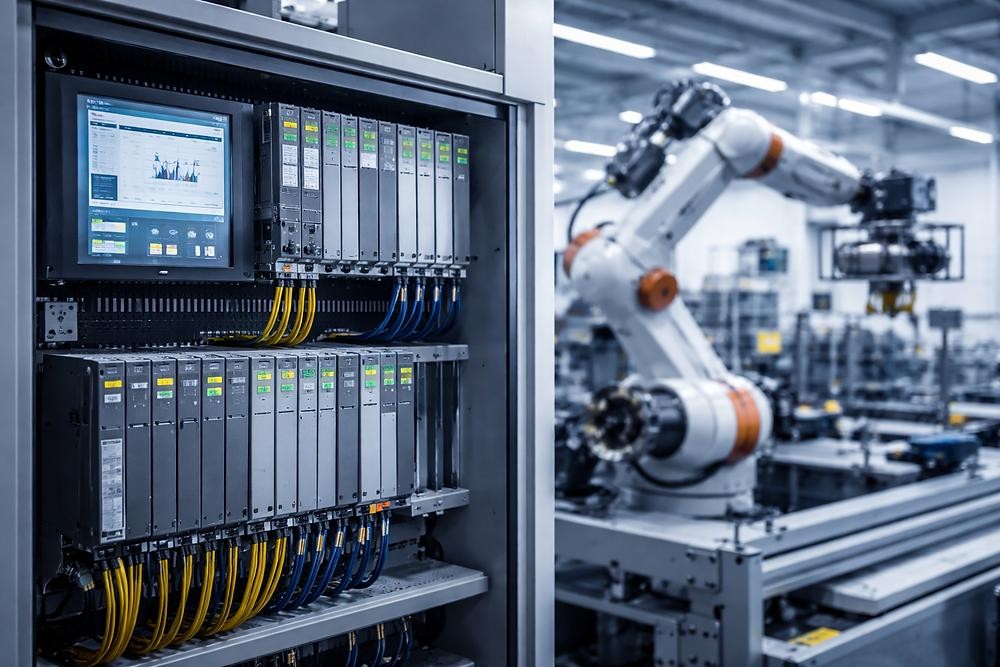
For global automation customers, the development of Industrial AI means higher-performance control systems, smarter factories, and more efficient production processes. Companies involved in PLC modules, industrial controllers, sensors, and automation components will continue to support this transformation.
The integration of industrial automation technologies with artificial intelligence represents an important step toward the next generation of intelligent manufacturing.
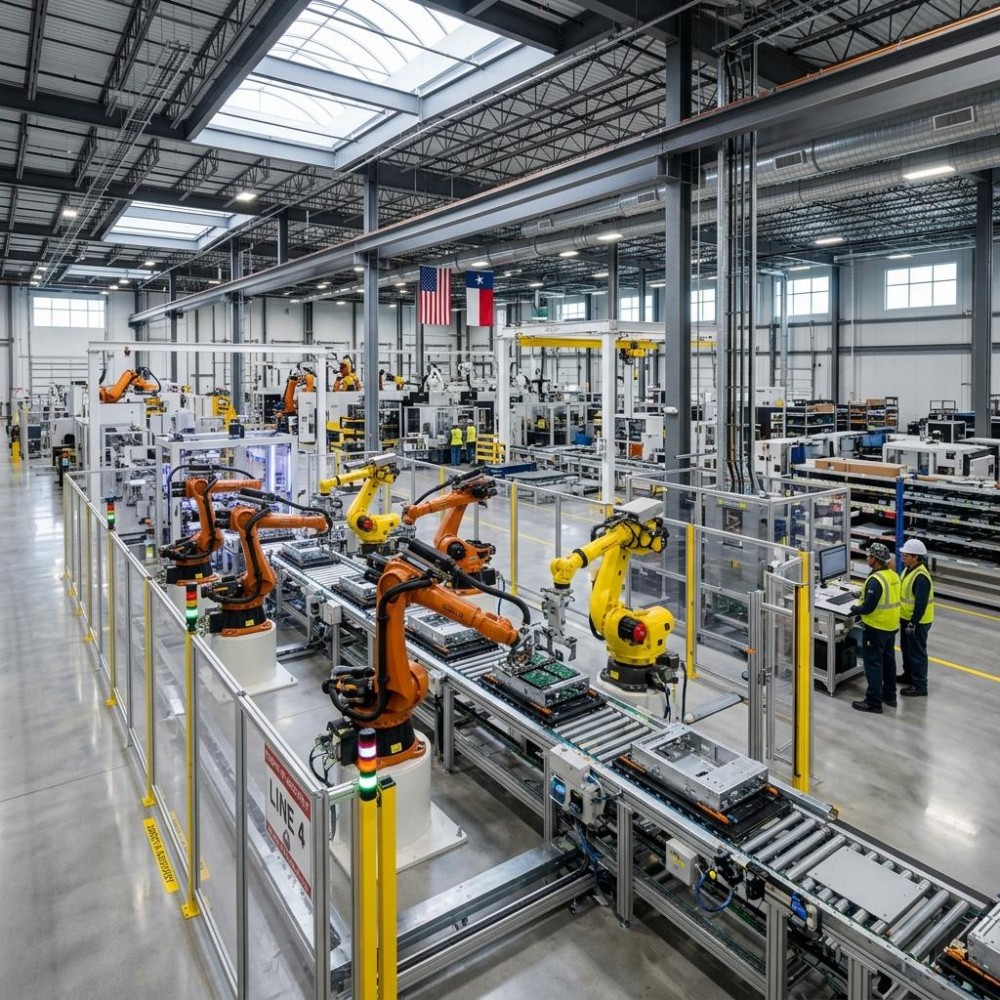 U.S. Industrial Robot Installations Rise 11% As Flexible Automation Expands
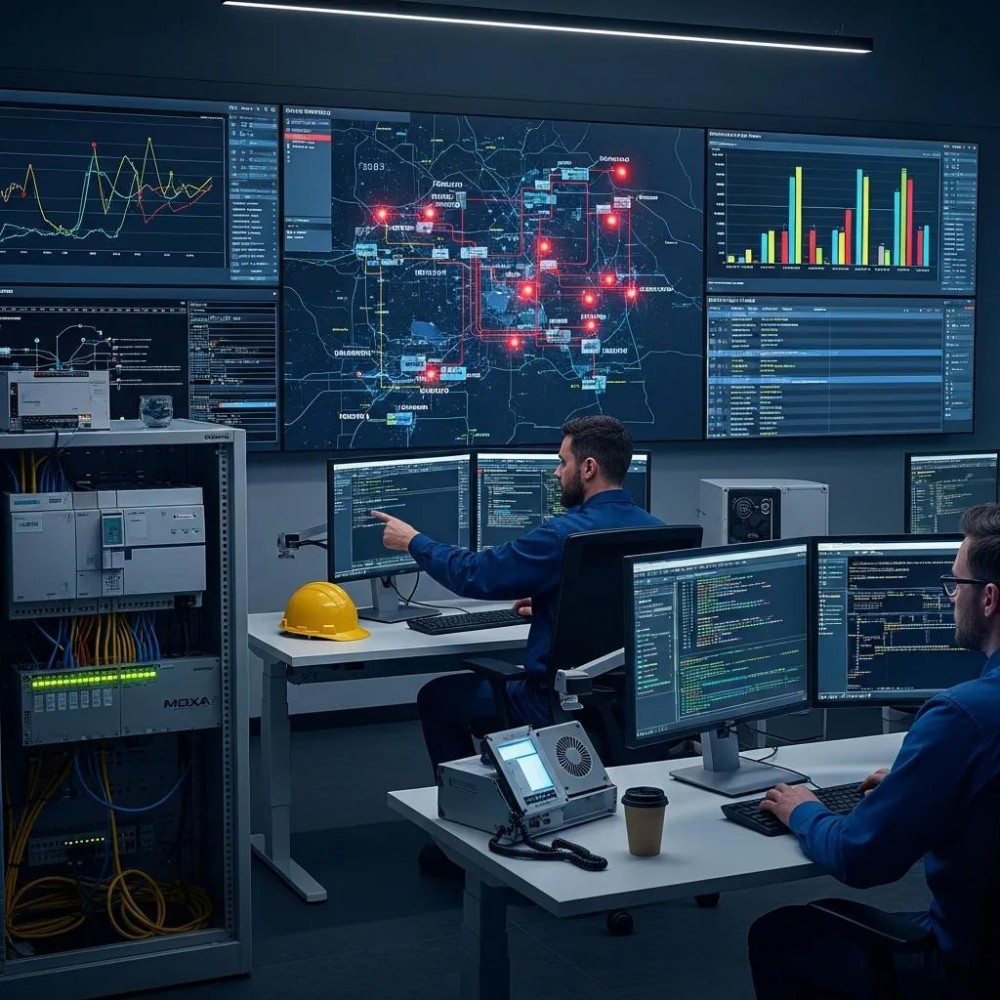 Siemens S7 PLC Cybersecurity Warning Highlights Growing OT Security Risks
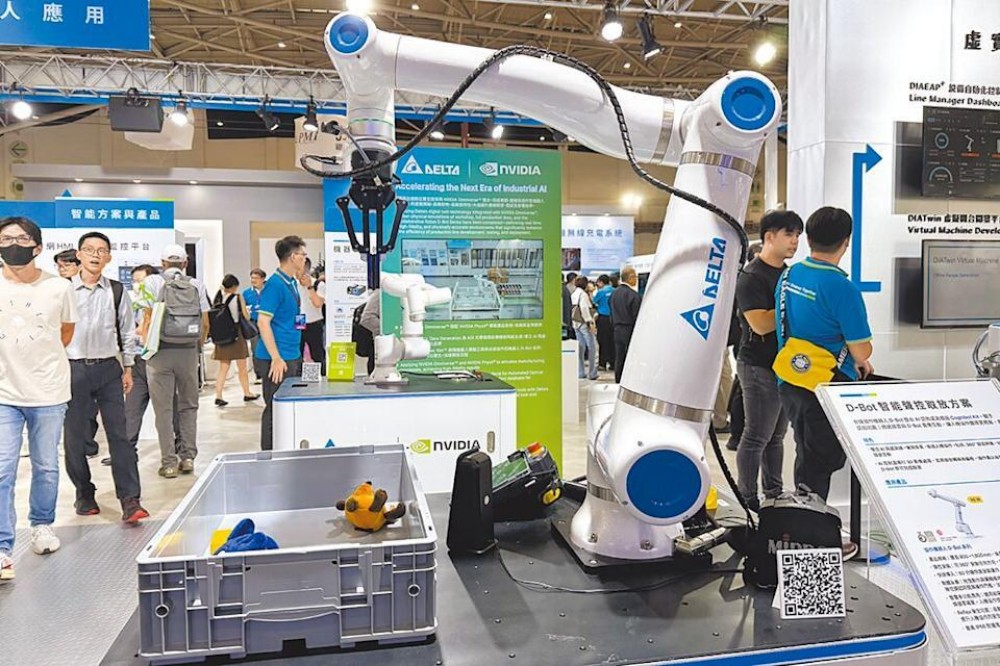 Delta’s Embodied AI And Digital Twins Signal A New Era For Industrial Automation
 Schneider Electric Advances Software-Defined Automation For PLC And DCS Modernization