100% Original, Ready to Ship!

Industrial Digital Transformation In 2026: DCS And Automation Systems Enable Smarter Manufacturing
Digital transformation is reshaping industries worldwide as manufacturers invest in advanced automation technologies, intelligent control systems, and industrial data platforms. In 2026, Distributed Control Systems (DCS), PLC automation, and industrial software are becoming essential technologies for improving efficiency, safety, and operational performance.
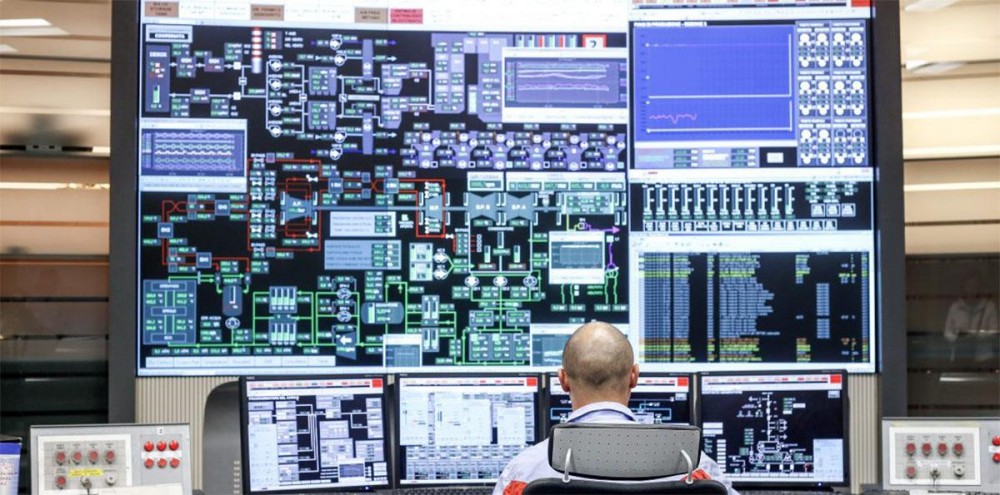
DCS systems have traditionally been used in continuous process industries including oil and gas, chemical plants, power generation, and pharmaceutical manufacturing. With digital transformation accelerating, modern DCS platforms are evolving beyond traditional process control functions and becoming integrated intelligent automation solutions.
One important development is the connection between DCS systems and industrial data platforms. Modern factories generate massive amounts of operational data from sensors, controllers, and field devices. By analyzing this data, companies can optimize production processes, improve energy management, and identify opportunities for cost reduction.
Cloud connectivity and industrial IoT technologies are also changing automation architectures. Manufacturers can now collect real-time information from multiple facilities and use centralized platforms for performance monitoring and decision-making. This allows global companies to manage production assets more efficiently.
Another major trend is the integration between PLC, DCS, SCADA, and Manufacturing Execution Systems (MES). Instead of operating as separate systems, modern automation environments are becoming interconnected platforms that provide complete visibility from field devices to enterprise management systems.
Digital twins are also gaining attention in industrial automation. By creating virtual models of production equipment, engineers can simulate operating conditions, optimize processes, and identify potential problems before implementing physical changes.
Energy efficiency and sustainability are additional drivers of automation investment. Advanced DCS systems help industries monitor energy consumption, optimize process parameters, and reduce waste. These capabilities are becoming increasingly important as companies focus on environmentally responsible manufacturing.
The future of industrial automation will depend on intelligent integration. DCS systems will continue to serve as the foundation of process industries, while advanced analytics, AI, and industrial communication technologies will enhance their capabilities.
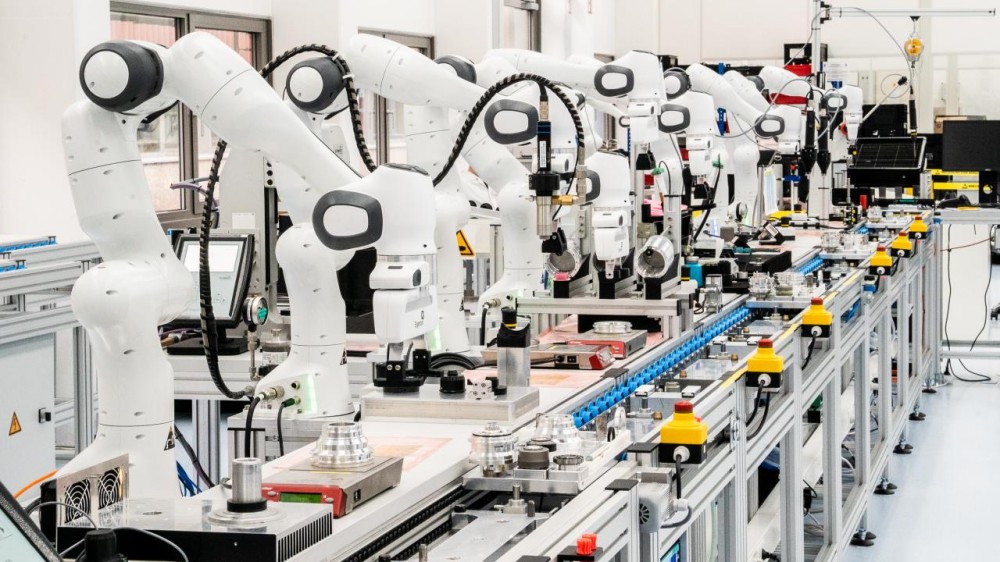
For automation engineers and industrial companies, digital transformation represents a long-term opportunity to improve reliability, productivity, and competitiveness. The combination of DCS, PLC, smart sensors, and industrial software will continue shaping the next generation of manufacturing.
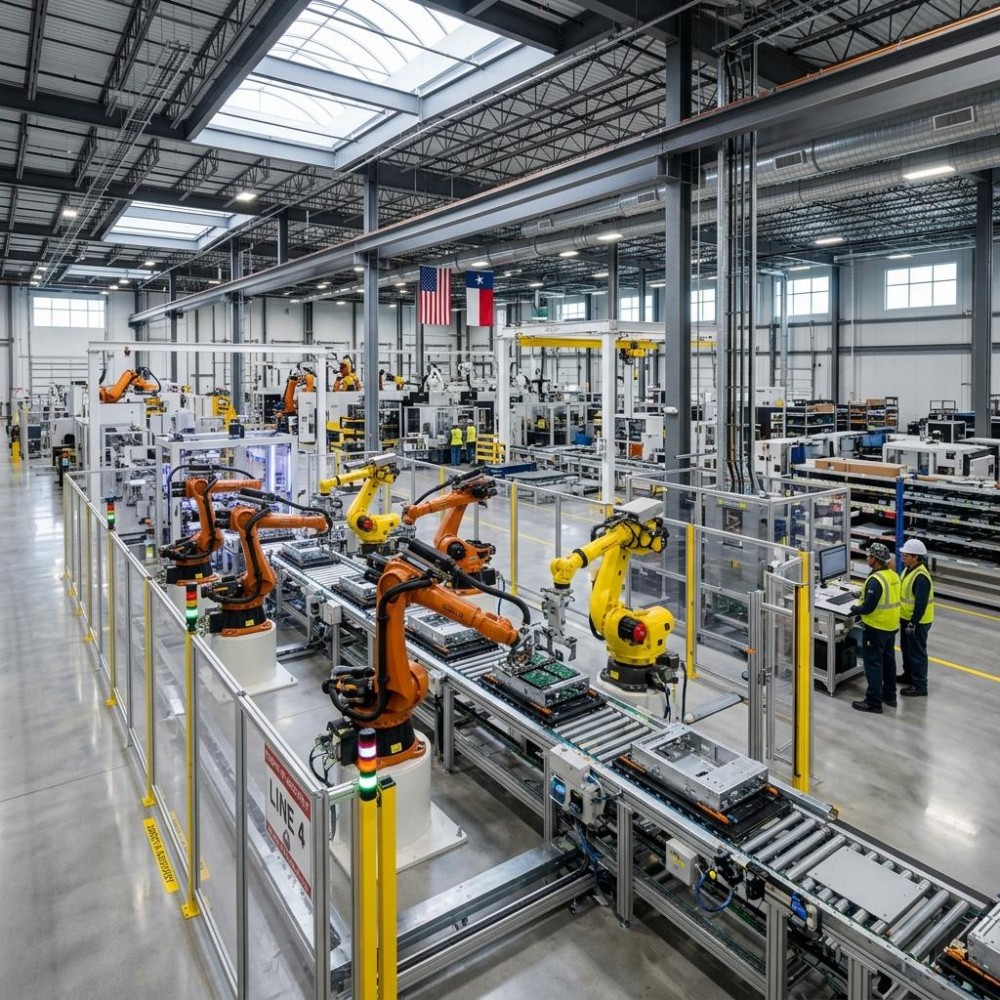 U.S. Industrial Robot Installations Rise 11% As Flexible Automation Expands
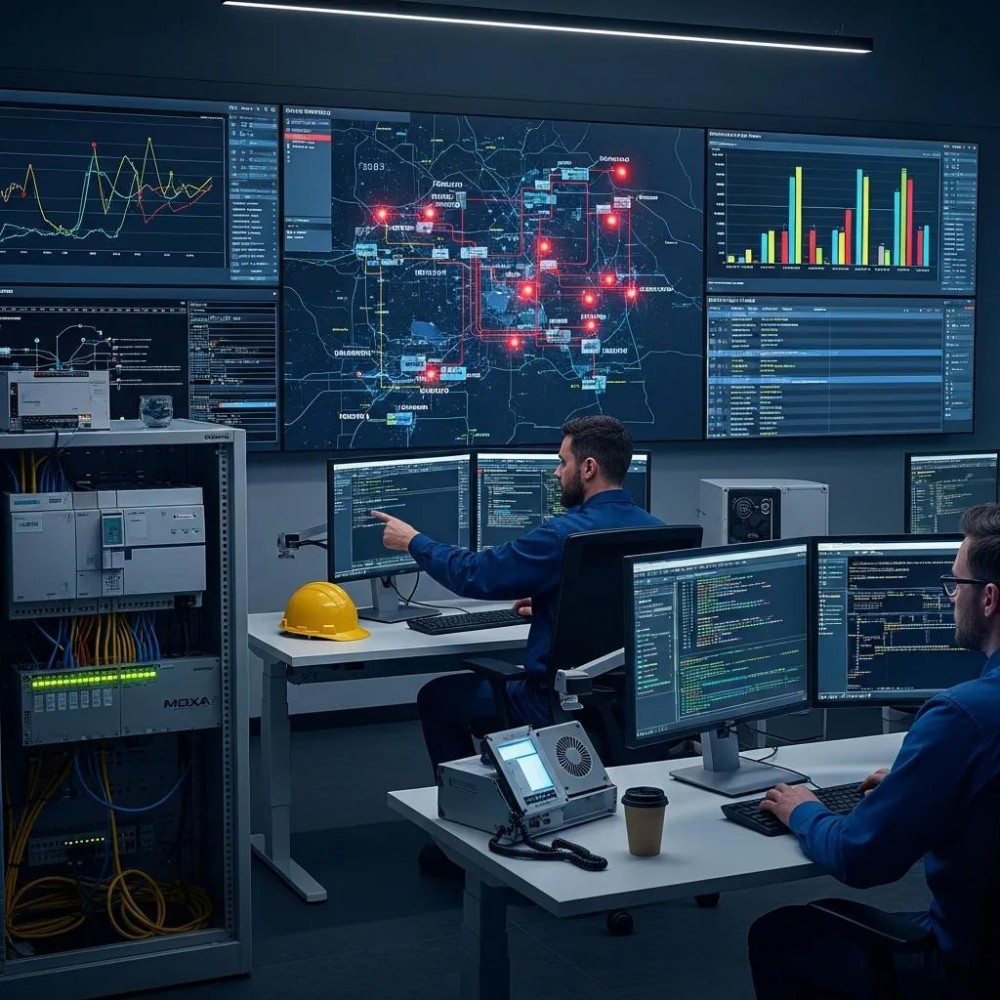 Siemens S7 PLC Cybersecurity Warning Highlights Growing OT Security Risks
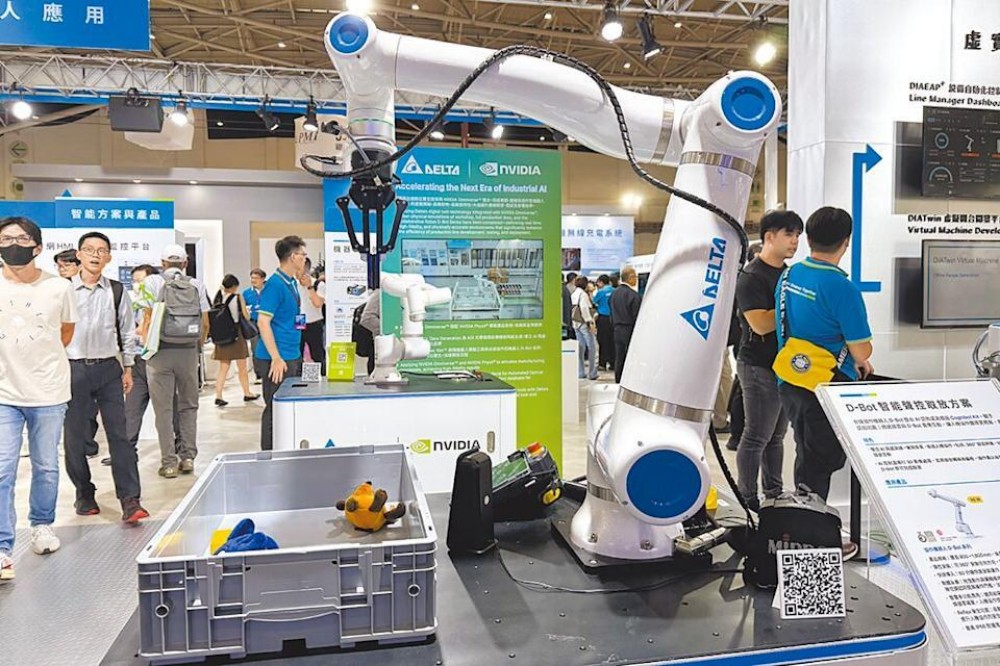 Delta’s Embodied AI And Digital Twins Signal A New Era For Industrial Automation
 Schneider Electric Advances Software-Defined Automation For PLC And DCS Modernization