100% Original, Ready to Ship!

Next Generation PLC Technology In 2026: Smart Controllers Drive Industrial Automation Innovation
Programmable Logic Controllers (PLCs) continue to play a central role in industrial automation, and new PLC technologies are transforming how manufacturers design and operate modern production systems. In 2026, smart PLC controllers are becoming more powerful, connected, and intelligent, supporting the development of Industry 4.0 and smart manufacturing.
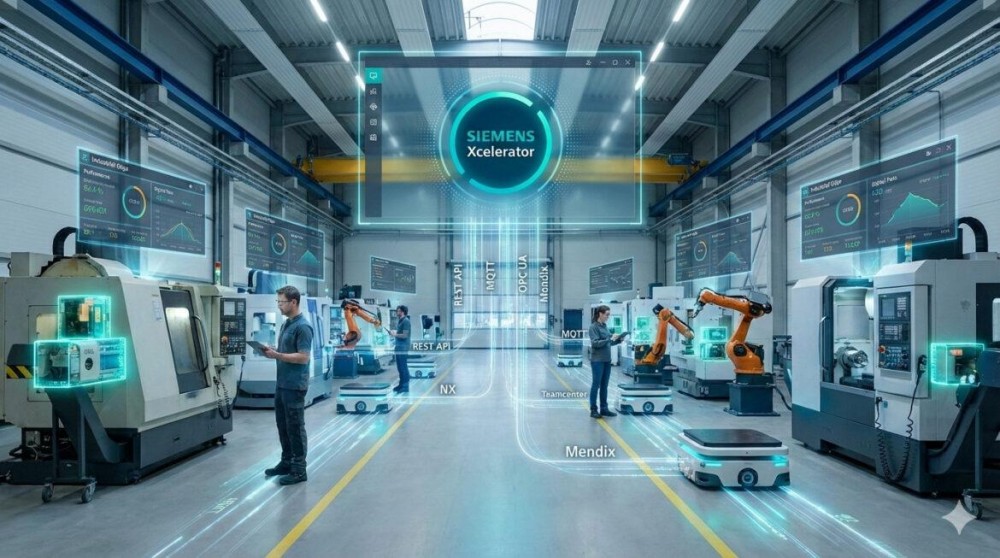
Traditional PLC systems were mainly designed for machine control, sequence operations, and industrial process monitoring. Today, advanced PLC platforms are evolving into complete automation solutions that integrate motion control, communication networks, cybersecurity functions, data processing, and cloud connectivity.
One of the biggest trends in PLC development is increased computing capability. Modern PLC controllers are equipped with faster processors and advanced communication interfaces, allowing them to handle more complex automation tasks. This enables manufacturers to control high-speed production lines, robotic systems, and intelligent manufacturing equipment with improved accuracy.
Industrial communication is also becoming a key focus area. New PLC systems support technologies such as Industrial Ethernet, OPC UA, and advanced fieldbus communication, allowing seamless data exchange between PLCs, DCS systems, SCADA platforms, and enterprise software.
Cybersecurity has become another important consideration for industrial control systems. As factories become more connected, protecting PLC networks from unauthorized access is essential. Manufacturers are introducing stronger security features, including encrypted communication, user authentication, and improved system monitoring.
The integration of artificial intelligence and machine learning is also influencing PLC development. Intelligent PLC systems can analyze operational data, detect abnormal conditions, and support predictive maintenance applications. This helps reduce equipment failures and improve overall production reliability.
In addition, modular PLC architectures are gaining popularity because they allow easier system expansion and maintenance. Engineers can quickly add I/O modules, communication modules, and specialized control units according to changing production requirements.

For international automation users, upgrading to modern PLC technology provides significant advantages. New-generation controllers improve productivity, reduce operational costs, and help factories achieve digital transformation goals.
As manufacturing industries continue moving toward automation and intelligent production, PLC technology will remain a fundamental component of industrial control systems. The combination of powerful processors, industrial networking, cybersecurity, and AI capabilities will define the future of PLC automation.
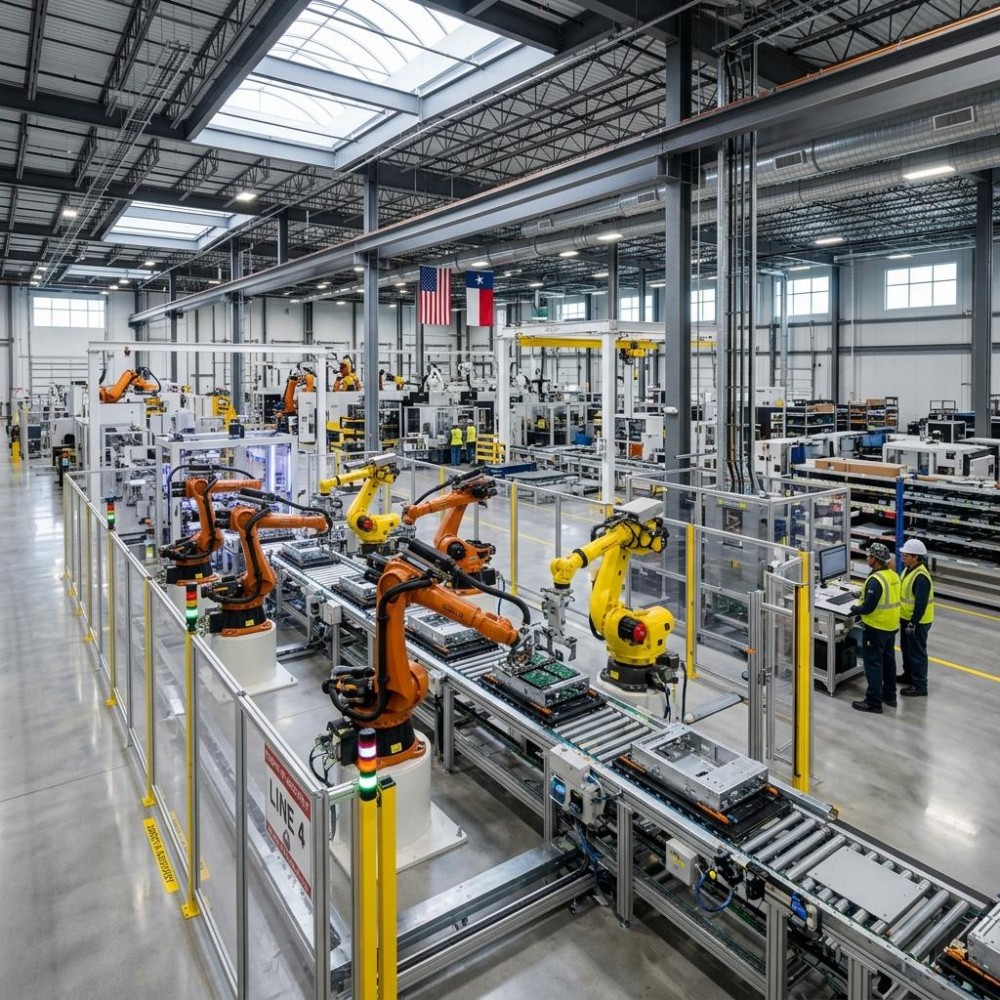 U.S. Industrial Robot Installations Rise 11% As Flexible Automation Expands
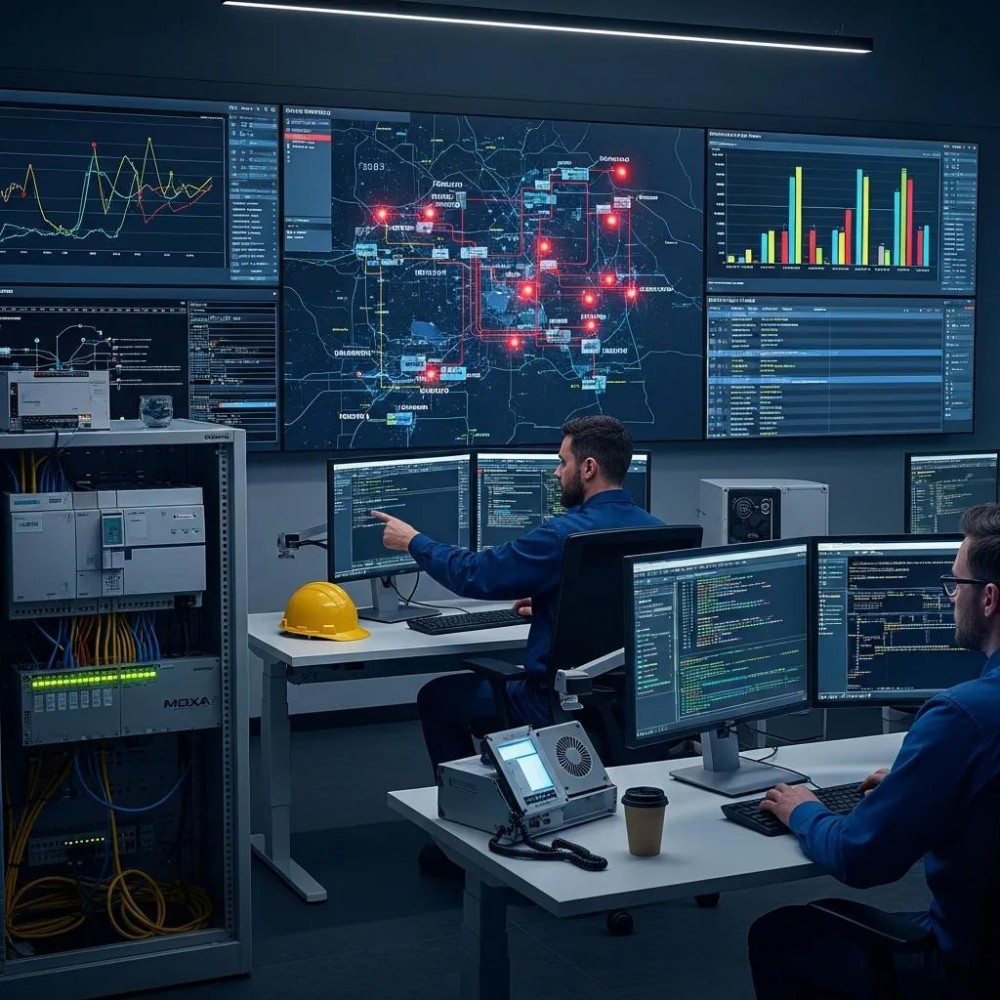 Siemens S7 PLC Cybersecurity Warning Highlights Growing OT Security Risks
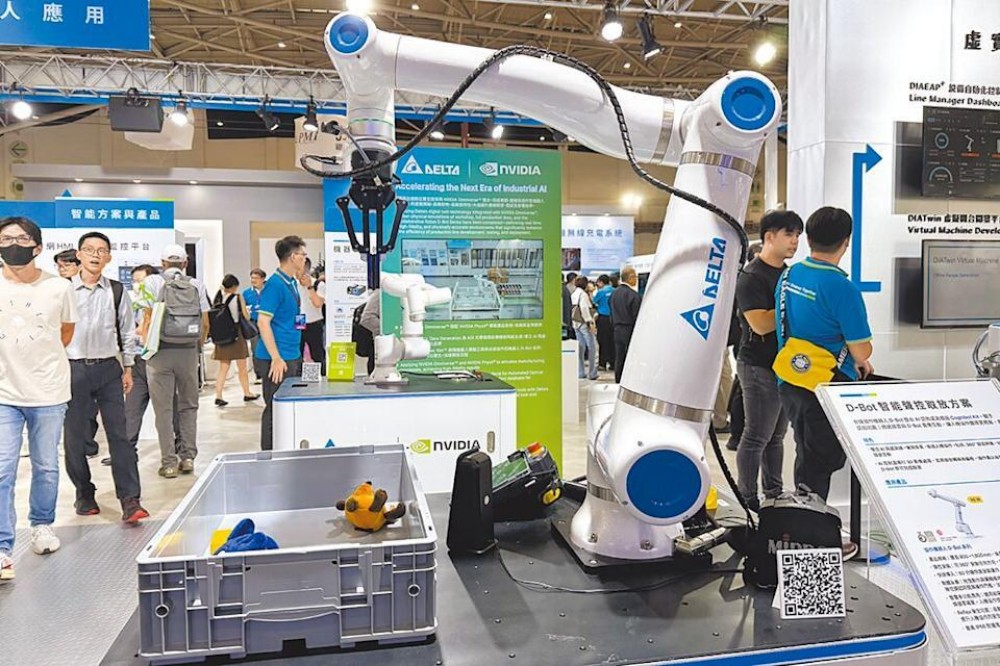 Delta’s Embodied AI And Digital Twins Signal A New Era For Industrial Automation
 Schneider Electric Advances Software-Defined Automation For PLC And DCS Modernization