100% Original, Ready to Ship!

Rockwell Automation Advances AI Driven Smart Factory Solutions With Next Generation Industrial Automation Technologies
The global manufacturing industry is entering a new era of intelligent automation as artificial intelligence, industrial IoT, and advanced control technologies continue to transform traditional production environments. Industrial automation leaders are accelerating investments in smart factory solutions, combining PLC systems, industrial software platforms, cloud connectivity, and AI based decision making technologies.
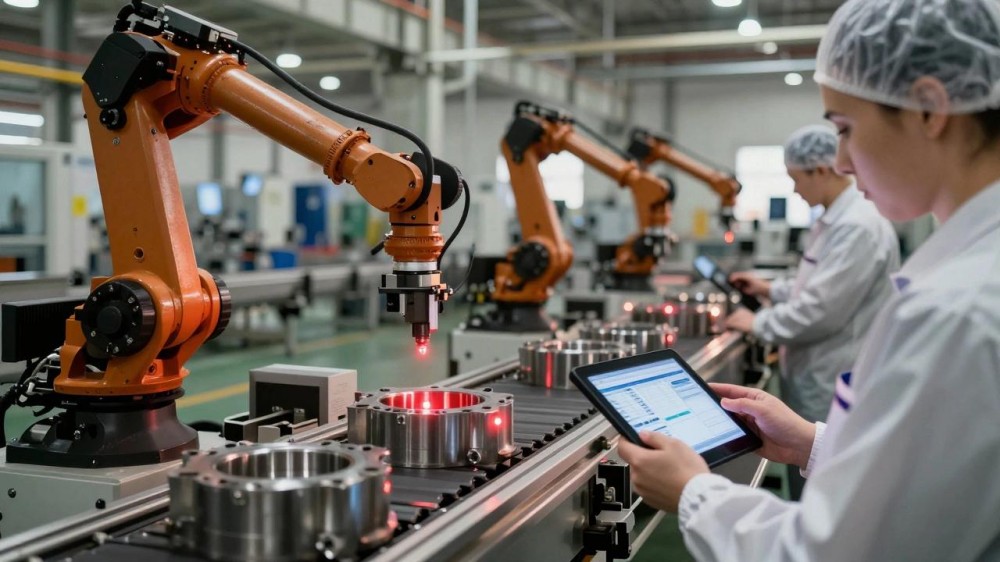
Rockwell Automation has continued to focus on digital transformation solutions that help manufacturers improve operational efficiency, reduce downtime, and create more flexible production systems. The company has demonstrated AI oriented factory design concepts that integrate engineering software, automation platforms, and connected industrial operations.
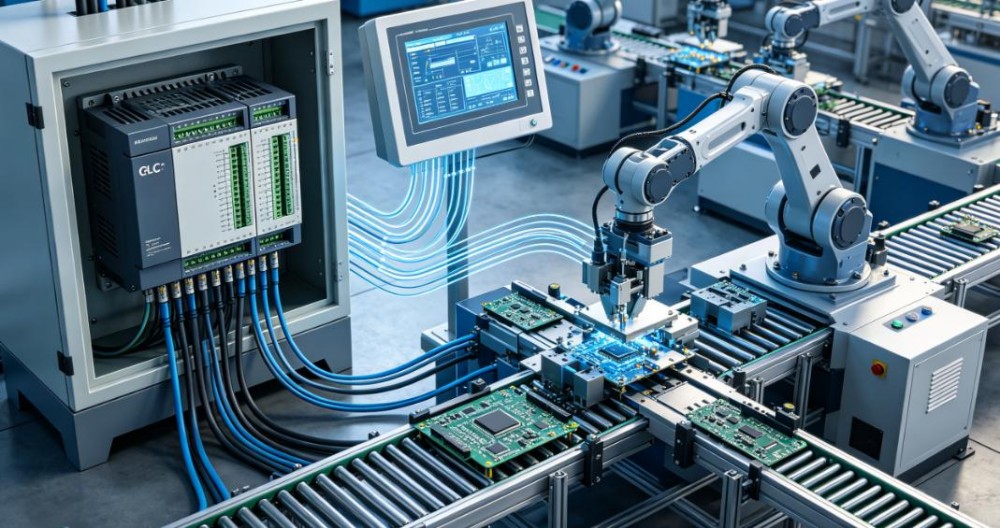
Modern factories are no longer relying only on traditional programmable logic controllers for machine control. Instead, manufacturers are increasingly adopting connected automation architectures where PLCs, DCS systems, SCADA platforms, sensors, robots, and enterprise software work together as a unified industrial ecosystem.
AI Integration Becomes a Major Trend in Industrial Automation
Artificial intelligence is becoming one of the most important technologies influencing the future development of industrial automation. Traditional automation systems mainly operate according to predefined logic programs. However, AI enhanced automation systems can analyze production data, identify abnormal conditions, and support predictive decision making.
For manufacturers, this means improved equipment reliability and reduced unexpected production interruptions. AI algorithms can analyze information collected from industrial sensors, motor drives, PLC modules, and process control systems to identify potential failures before they occur.
In industries such as automotive manufacturing, semiconductor production, energy, and chemical processing, intelligent automation helps companies optimize production processes while maintaining strict quality requirements.
PLC and Industrial Control Systems Move Toward Greater Connectivity
PLC technology remains the foundation of industrial automation. However, modern PLC platforms are evolving from isolated controllers into highly connected industrial computing devices.
New generation PLC systems provide:
- Faster processing capability
- Advanced communication protocols
- Cybersecurity protection
- Edge computing functions
- Cloud connectivity
- Real time data analysis
The integration between PLC and IT systems allows factories to collect valuable operational data and use it for production optimization.
For process industries, DCS platforms are also becoming more connected. Modern DCS solutions provide enhanced monitoring capabilities, improved alarm management, and better integration with enterprise-level digital platforms.
Smart Factory Development Requires Digital Transformation
The transition toward smart manufacturing is not only about installing new automation hardware. It requires a complete transformation of engineering processes, production management, and maintenance strategies.
Digital twins, virtual commissioning, and industrial analytics are becoming increasingly important technologies. Engineers can simulate production environments before physical implementation, reducing commissioning time and improving system reliability.
This approach is especially valuable for complex automation projects involving multiple PLC controllers, distributed control systems, robotics, and process equipment.
Future Outlook for Industrial Automation
The demand for intelligent manufacturing solutions is expected to continue growing as companies face increasing pressure to improve productivity, energy efficiency, and operational flexibility.
Industrial automation suppliers are focusing on creating open and scalable platforms that allow manufacturers to upgrade existing systems without replacing complete infrastructures.
The future factory will likely combine:
- AI assisted automation
- Advanced PLC controllers
- Industrial cybersecurity
- Smart sensors
- Robotics
- Cloud based monitoring
- Digital engineering platforms
As manufacturing continues to evolve, companies with advanced automation capabilities will have stronger competitiveness in the global market.
For industrial automation users, system integrators, and equipment suppliers, understanding these technology trends is essential for future business development.
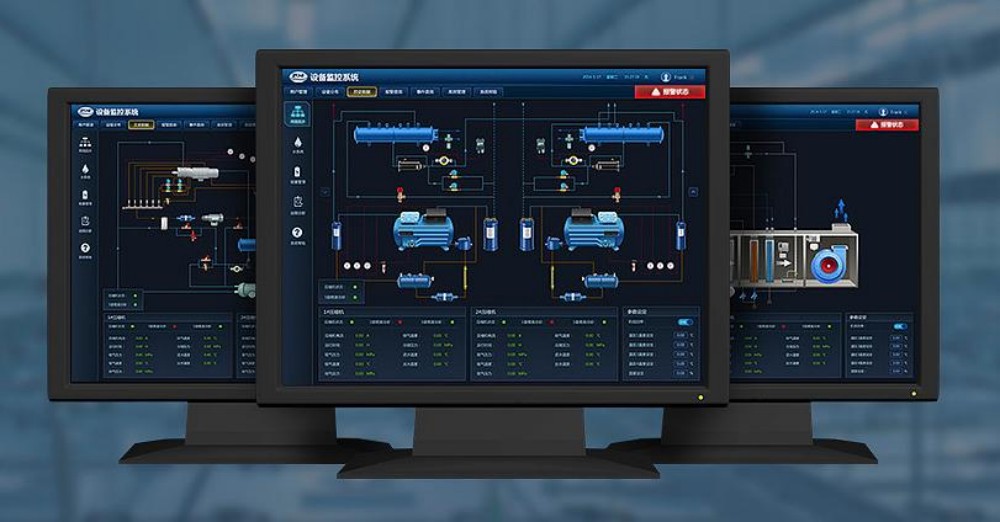 PLC And DCS Integration Becomes Key Technology Trend For Next Generation Industrial Automation Systems
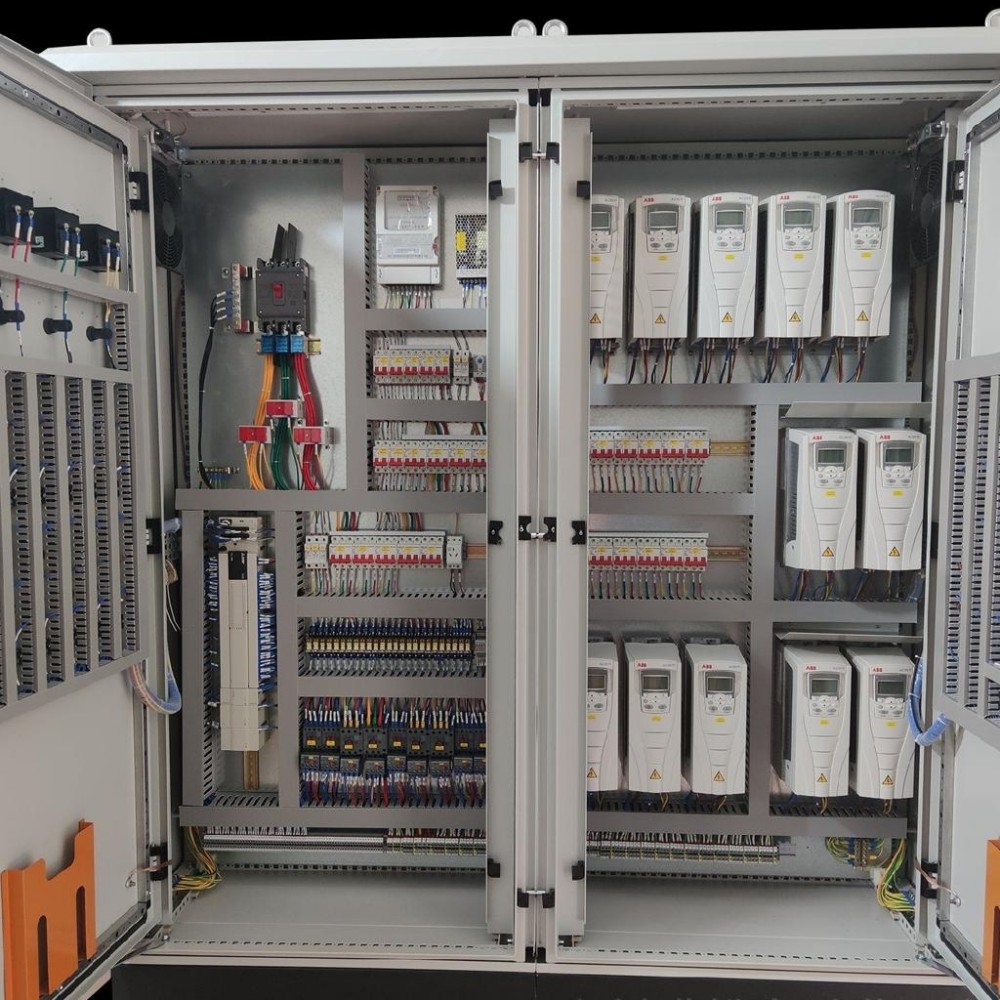 ABB Expands Industrial Automation Strategy With Advanced Electrification And Control Technology Development
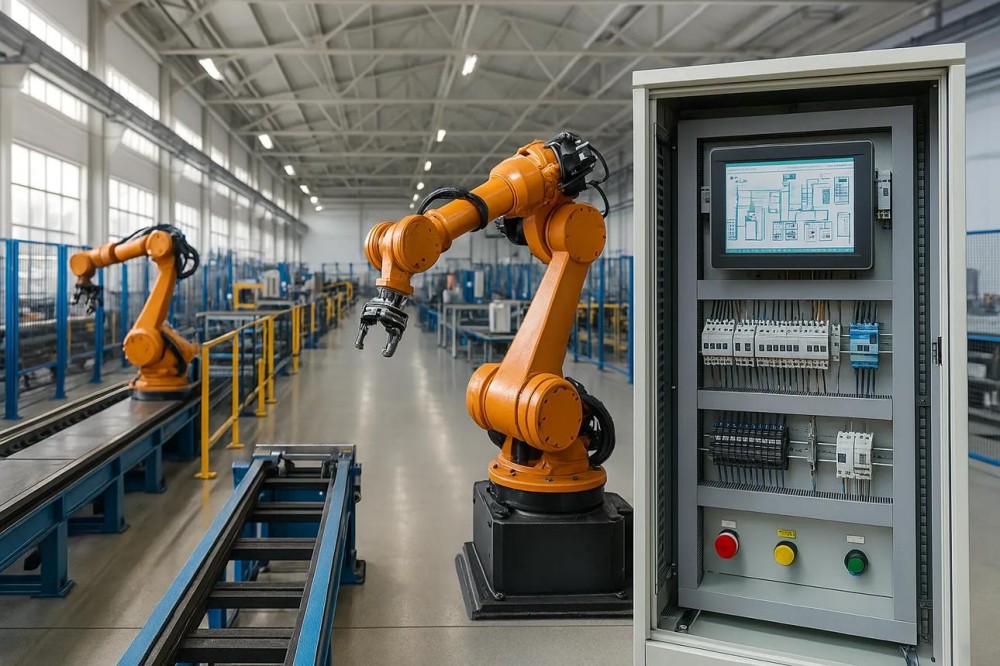 Industrial Automation Trends 2026: AI-Powered PLC And DCS Systems Accelerate Smart Factory Development
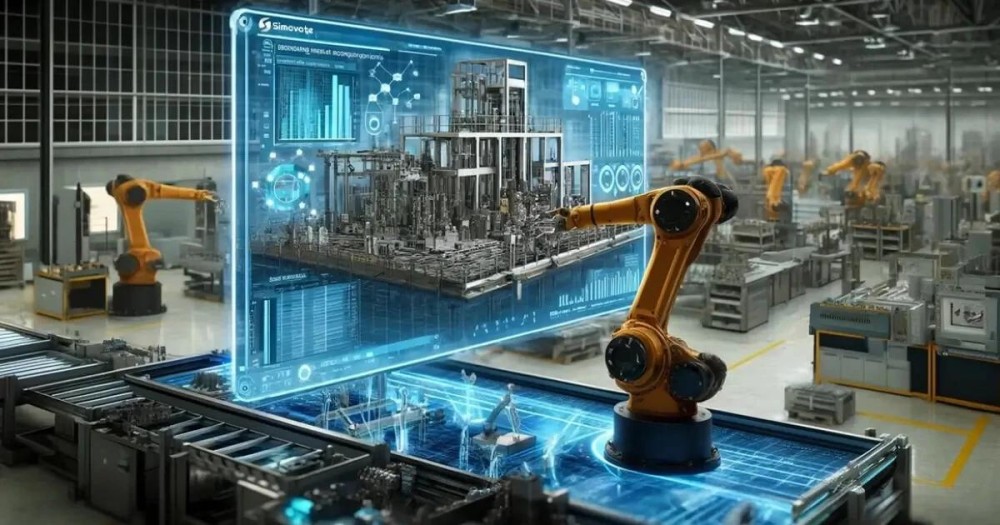 AI And Digital Twin Technologies Transform The Future Of Industrial Automation Systems