100% Original, Ready to Ship!

Siemens Expands Industrial Digitalization Strategy With Advanced Automation And Smart Manufacturing Solutions
Industrial digitalization continues to reshape global manufacturing as companies search for more efficient, flexible, and sustainable production methods. Automation technologies including PLC controllers, industrial communication networks, SCADA systems, and digital manufacturing platforms are becoming essential components of modern factories.
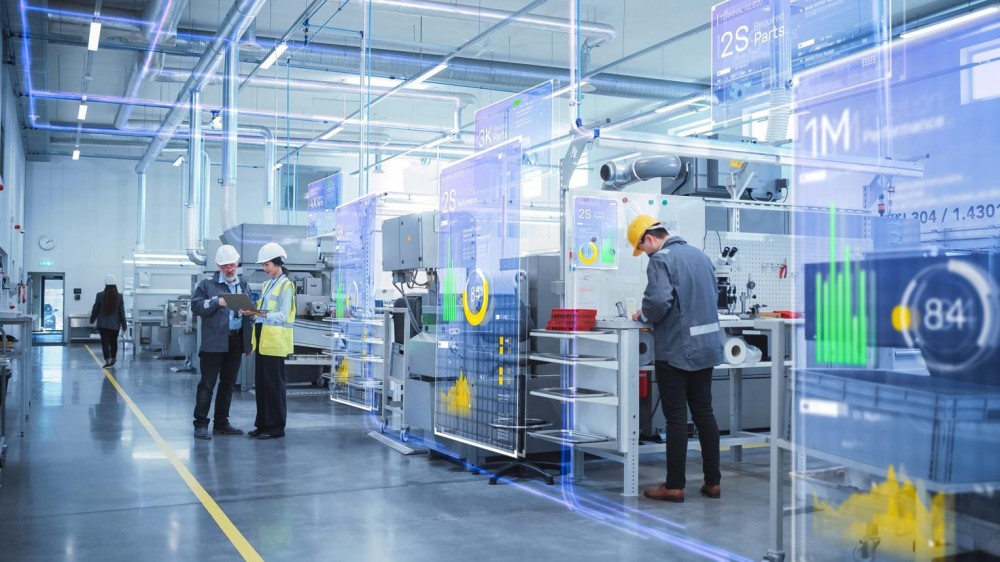
Siemens remains one of the major global automation technology providers, focusing on industrial digitalization, automation engineering, and intelligent manufacturing solutions. The company continues developing technologies that connect automation hardware with software platforms to support efficient industrial operations.
Industrial Automation Is Moving Toward Software Defined Manufacturing
Traditional manufacturing systems were mainly based on hardware focused automation architectures. Today, manufacturers are increasingly moving toward software driven industrial environments.
Modern automation systems combine:
- PLC control platforms
- Industrial Ethernet networks
- Human Machine Interfaces
- Manufacturing execution systems
- Cloud platforms
- Artificial intelligence applications
This integration enables manufacturers to collect real time production information and make faster operational decisions.
Software defined automation allows factories to become more adaptable. Production lines can be adjusted more quickly according to market requirements, reducing engineering costs and improving production flexibility.
Digital Twin Technology Improves Engineering Efficiency
Digital twin technology is becoming a key element in industrial automation development.
A digital twin creates a virtual representation of machines, production lines, or entire factories. Engineers can test automation programs, optimize production processes, and identify potential problems before equipment is physically installed.
For PLC engineers and system integrators, digital twins provide several advantages:
- Faster commissioning
- Reduced engineering risks
- Improved system testing
- Lower project costs
- Better maintenance planning
This technology is especially valuable in industries requiring complex automation solutions, including automotive, energy, pharmaceutical, and manufacturing sectors.
Industrial Communication Becomes More Important
As automation systems become more connected, reliable industrial communication networks are becoming increasingly important.
Modern factories require communication between:
- PLC controllers
- Remote I/O modules
- Sensors
- Variable frequency drives
- Robots
- SCADA systems
- Enterprise databases
Industrial Ethernet technologies and advanced communication protocols allow different automation components to exchange information efficiently.
This development also creates new opportunities for upgrading older industrial systems through communication gateways and modernization solutions.
Sustainability Drives Automation Investment
Energy efficiency has become a major factor influencing automation decisions.
Manufacturers are adopting intelligent control technologies to reduce energy consumption and improve resource utilization.
Automation systems can monitor:
- Motor efficiency
- Energy consumption
- Production performance
- Equipment operating conditions
By analyzing this data, companies can optimize processes and reduce unnecessary energy waste.
The Future of Industrial Automation
The next generation of factories will rely on deeper integration between automation technology and digital intelligence.
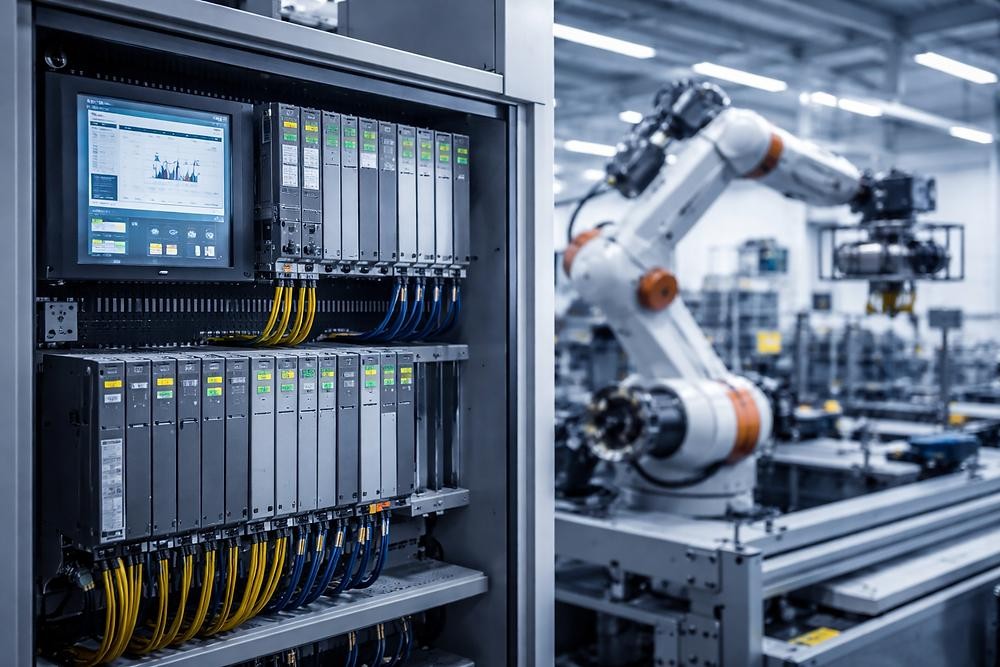
PLC controllers, DCS platforms, sensors, and industrial software will continue evolving toward smarter and more connected solutions.
For global industries, automation modernization is no longer only about increasing production speed. It has become a strategic approach for improving reliability, sustainability, and long term competitiveness.
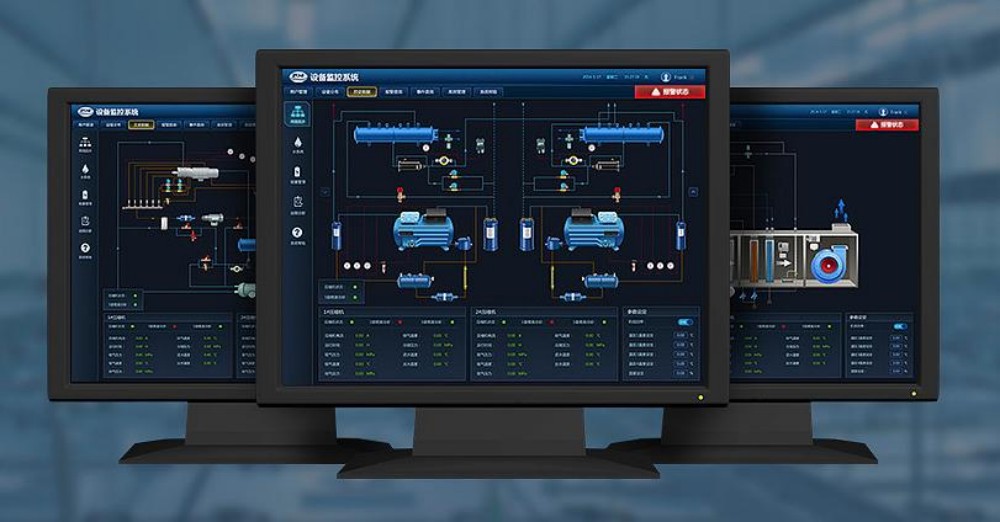 PLC And DCS Integration Becomes Key Technology Trend For Next Generation Industrial Automation Systems
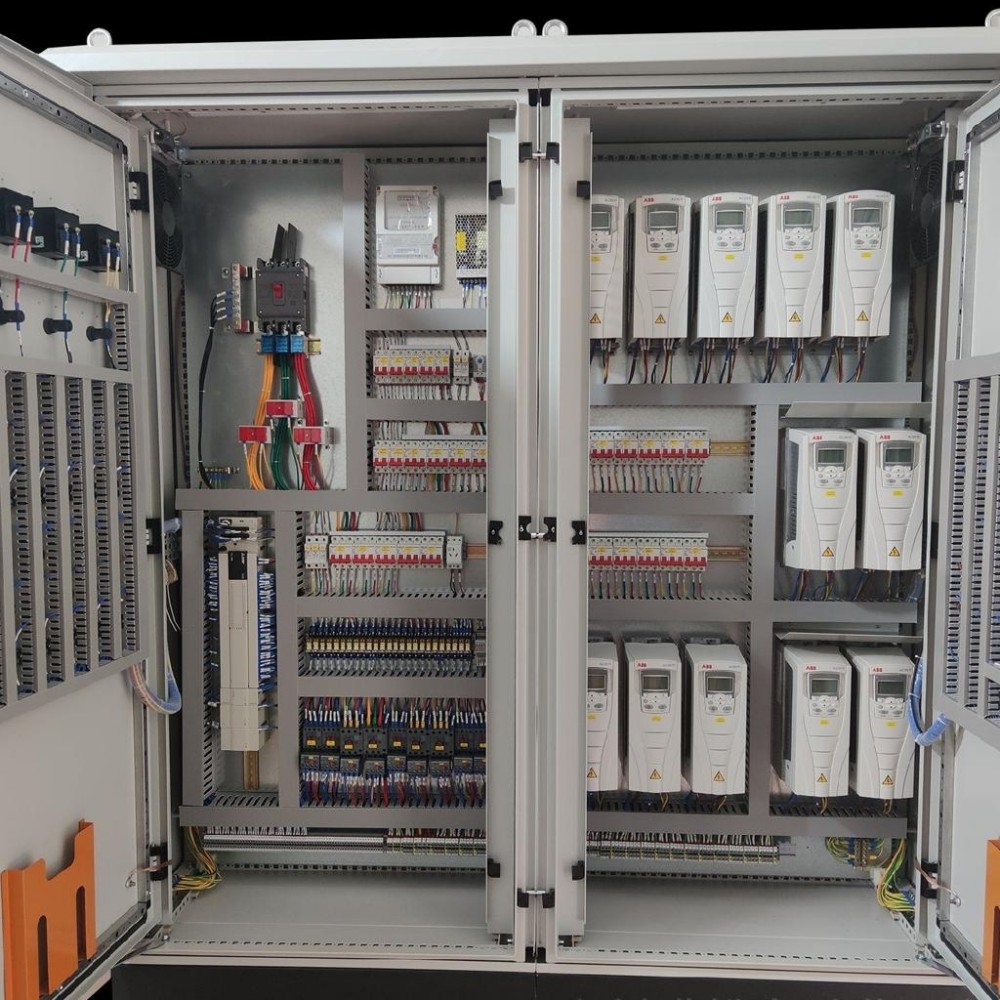 ABB Expands Industrial Automation Strategy With Advanced Electrification And Control Technology Development
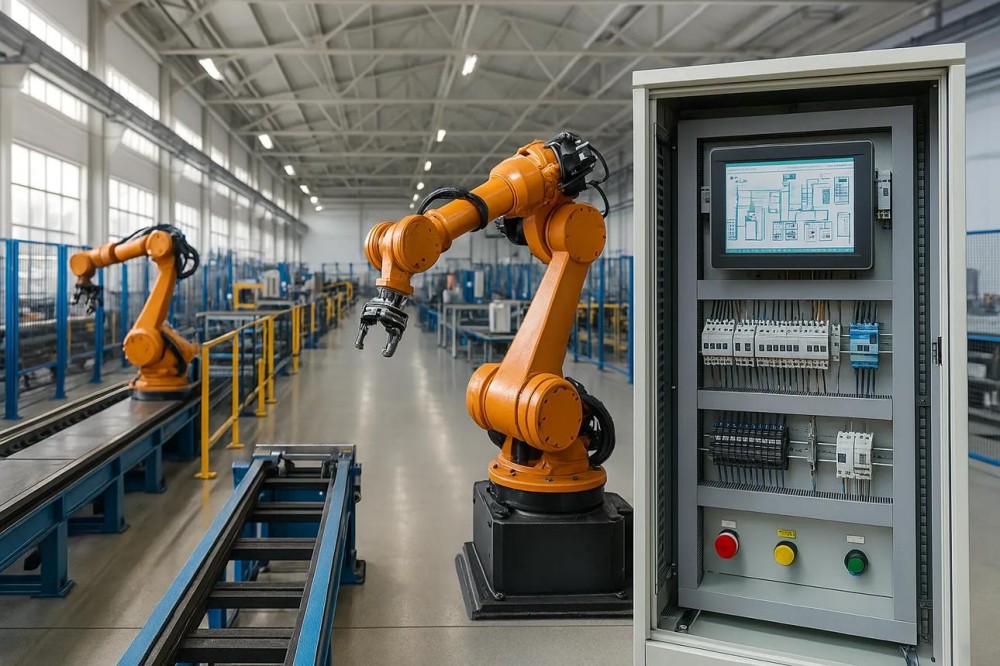 Industrial Automation Trends 2026: AI-Powered PLC And DCS Systems Accelerate Smart Factory Development
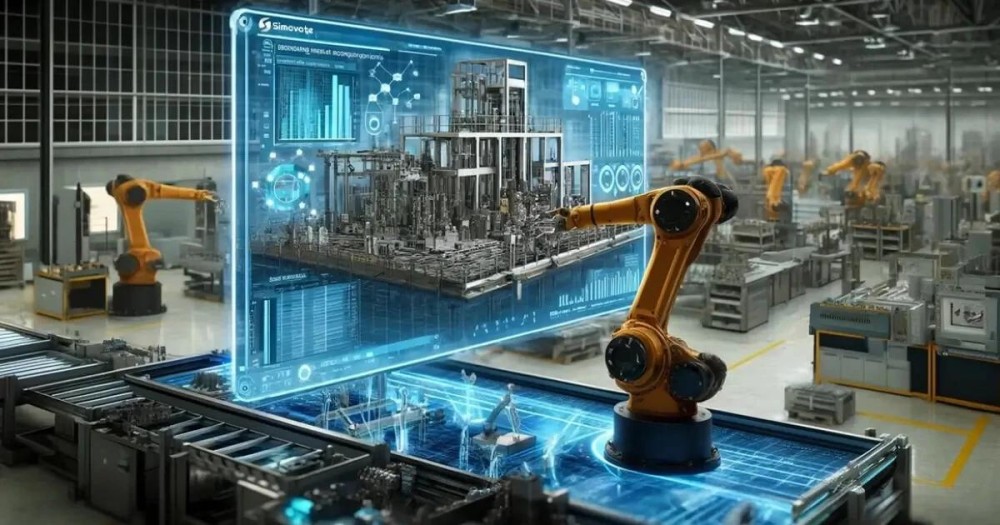 AI And Digital Twin Technologies Transform The Future Of Industrial Automation Systems