100% Original, Ready to Ship!

Industrial Automation Industry Accelerates AI, Robotics And Smart Sensor Adoption In 2026 Manufacturing Transformation
The industrial automation market is experiencing rapid technological transformation as manufacturers worldwide increase investment in artificial intelligence, robotics, smart sensors, and connected control systems.
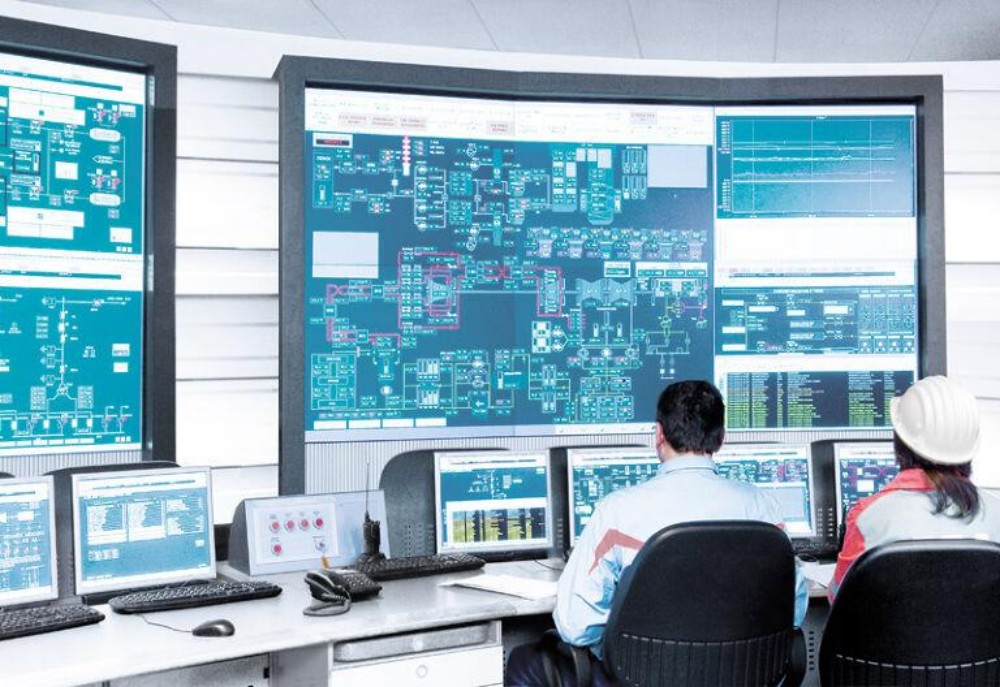
The development of Industry 4.0 continues to influence factory modernization strategies, with companies adopting advanced automation technologies to improve productivity, reduce operational costs, and strengthen manufacturing competitiveness.
Industry analysts have highlighted AI, digital twins, industrial edge computing, and intelligent automation as some of the most important technology directions shaping manufacturing development.
Smart Sensors Become Critical Components of Modern Automation
Sensors are the foundation of industrial automation systems. They provide essential information about machine status, production conditions, and process performance.
Traditional sensors mainly provided basic detection functions. However, modern smart sensors can collect more detailed operational data and communicate directly with industrial networks.
Advanced sensors support:
- Predictive maintenance
- Real time monitoring
- Process optimization
- Equipment diagnostics
- Quality control
These capabilities help manufacturers improve production reliability and reduce unexpected downtime.
Robotics Integration Continues Expanding
Industrial robots are becoming increasingly common in manufacturing industries.
Modern robotic systems are no longer independent machines. They are integrated with PLC controllers, vision systems, motion control platforms, and industrial communication networks.
Applications include:
- Assembly automation
- Material handling
- Packaging systems
- Welding operations
- Quality inspection
The combination of robotics and artificial intelligence allows machines to perform more complex tasks with higher flexibility.
PLC and DCS Systems Support Intelligent Manufacturing
Although new technologies continue emerging, PLC and DCS systems remain essential in industrial environments.
PLC controllers continue providing reliable machine control, while DCS platforms remain critical for large scale process industries such as:
- Oil and gas
- Chemical plants
- Power generation
- Water treatment
Future automation architectures will not replace PLC and DCS systems. Instead, these technologies will become more connected with AI platforms, cloud services, and industrial analytics.
Cybersecurity Becomes a Priority
As factories become more connected, industrial cybersecurity is becoming increasingly important.
Automation systems must protect:
- Production data
- Control networks
- Industrial devices
- Remote access systems
Manufacturers are investing in stronger cybersecurity strategies to ensure safe and reliable operation.
Global Manufacturing Moves Toward Intelligent Automation
The future of manufacturing will be defined by intelligent, connected, and flexible automation systems.
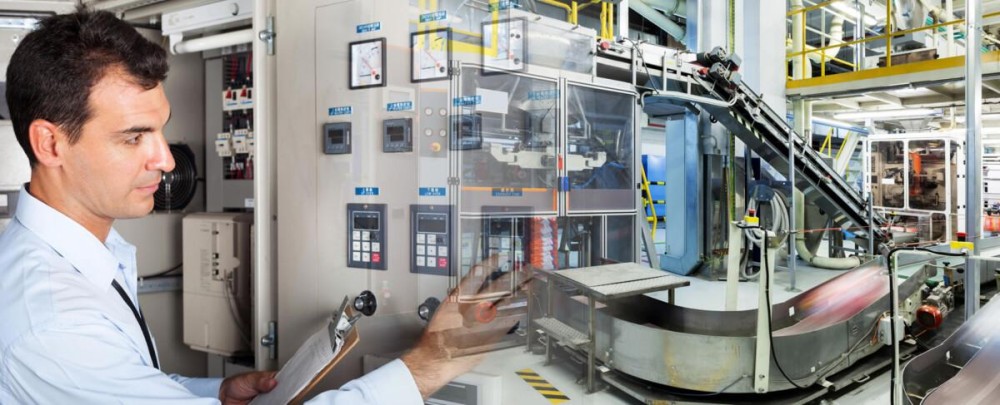
Companies that successfully integrate PLC technology, robotics, sensors, AI, and digital platforms will achieve significant advantages in efficiency and competitiveness.
For automation engineers, system integrators, and industrial equipment suppliers, understanding these trends is essential for supporting the next generation of smart factories.
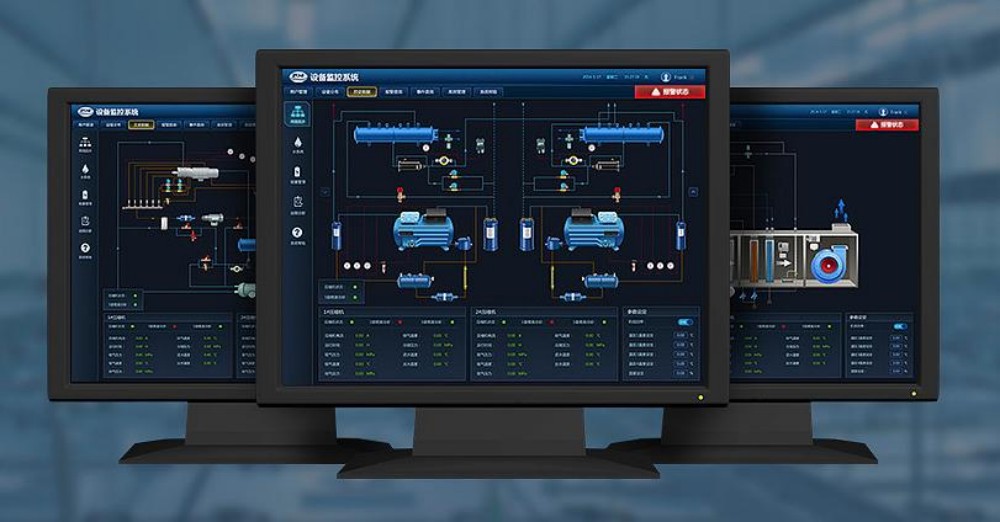 PLC And DCS Integration Becomes Key Technology Trend For Next Generation Industrial Automation Systems
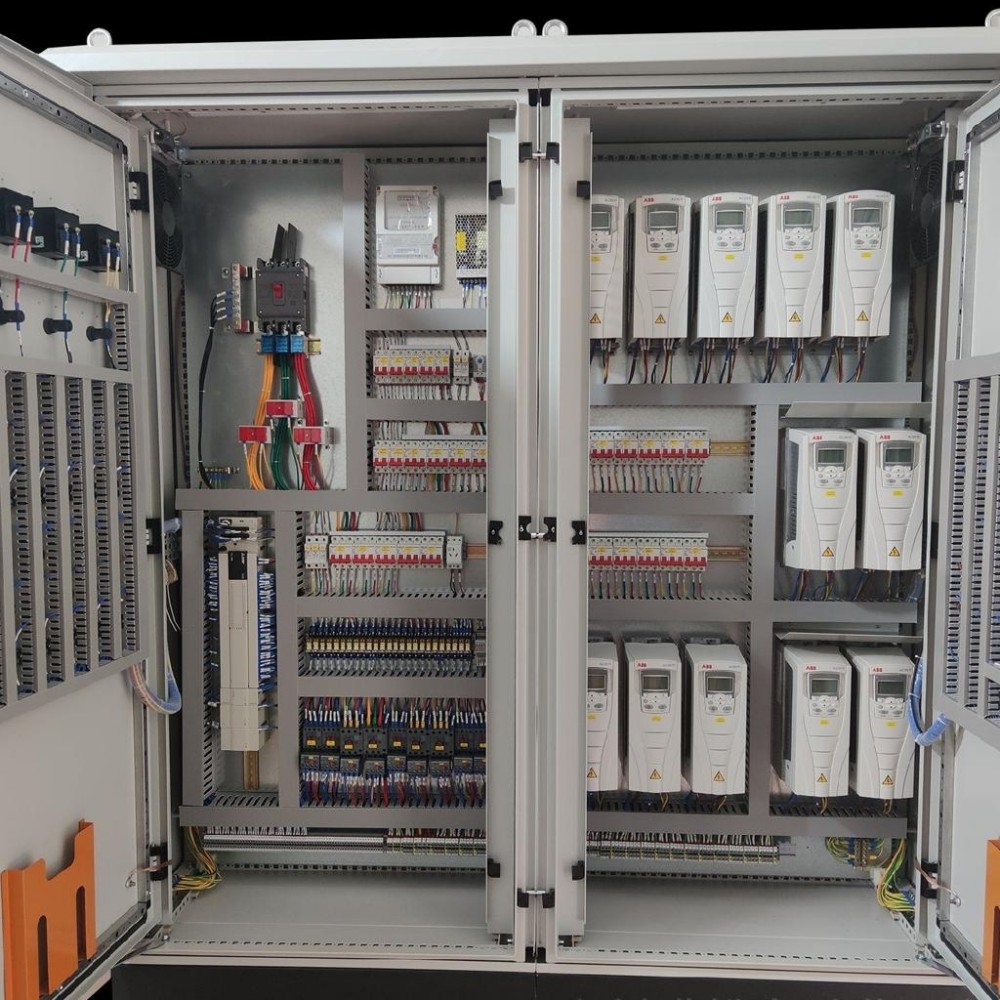 ABB Expands Industrial Automation Strategy With Advanced Electrification And Control Technology Development
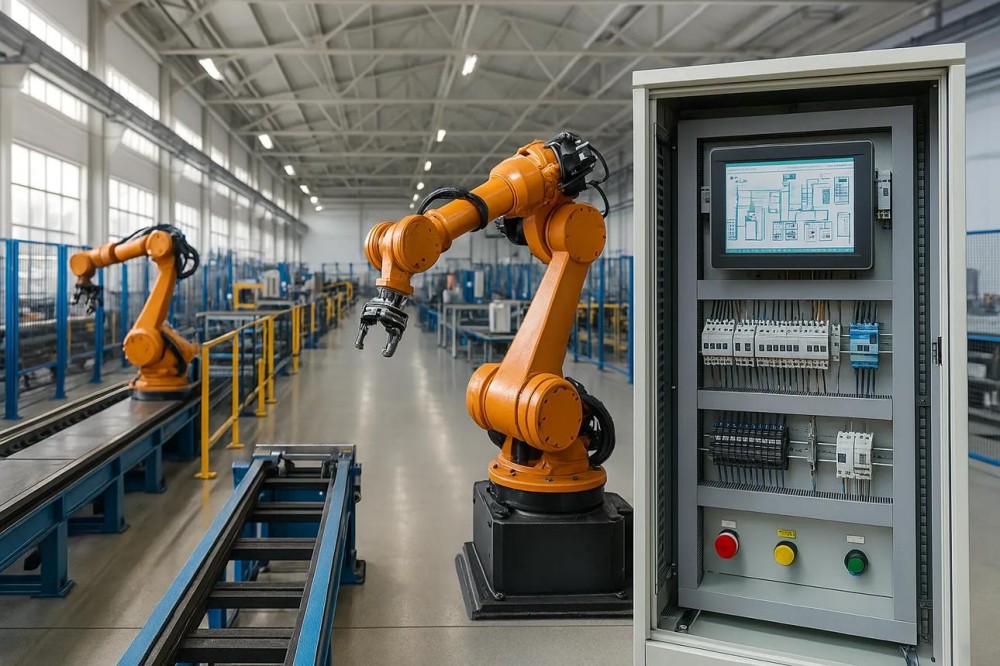 Industrial Automation Trends 2026: AI-Powered PLC And DCS Systems Accelerate Smart Factory Development
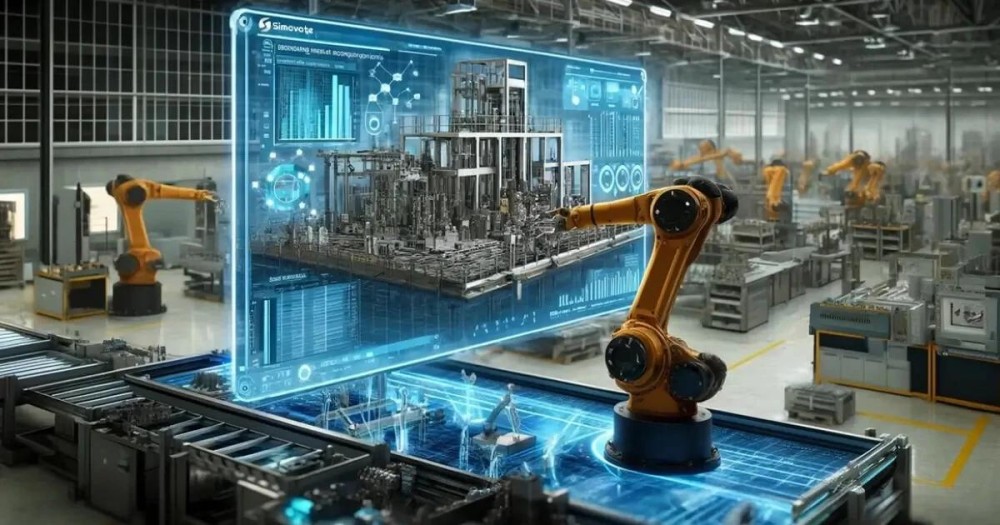 AI And Digital Twin Technologies Transform The Future Of Industrial Automation Systems