Your Trusted PLC & DCS Supplier!
100% Original, Ready to Ship!
  • HOME > News > Industry news > Siemens Advances Industrial Automation With AI-Powered Digital Factory Solutions For Smart Manufacturing

Siemens Advances Industrial Automation With AI-Powered Digital Factory Solutions For Smart Manufacturing

Views : 38
Update time : 2026-07-07
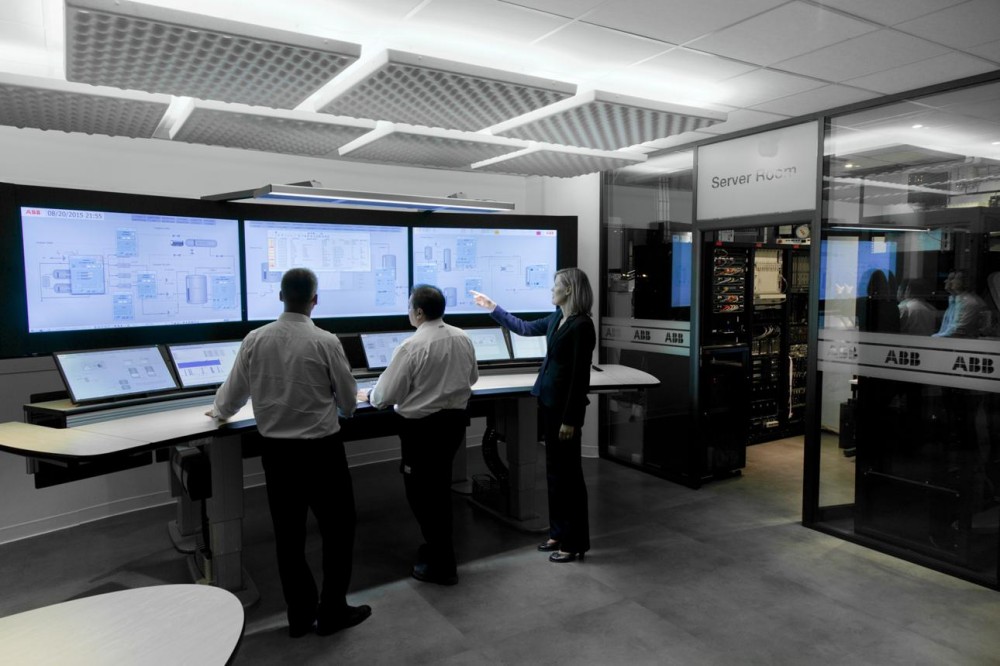
The industrial automation industry is rapidly moving toward a new generation of intelligent manufacturing, where automation systems are no longer limited to machine control but are becoming powerful platforms for data analysis, artificial intelligence, and real-time decision-making.

As manufacturers worldwide face increasing pressure to improve efficiency, reduce energy consumption, enhance product quality, and respond faster to market changes, digital transformation has become a key strategy for industrial companies.

Siemens continues to expand its industrial automation ecosystem by combining advanced PLC technology, industrial software, artificial intelligence, digital twins, and Industrial Internet of Things (IIoT) solutions to support the development of smarter and more flexible factories.

Through its digital factory technologies, Siemens is helping manufacturers connect production equipment, automation controllers, engineering software, and enterprise-level systems into integrated industrial environments. These solutions are designed to improve operational visibility, optimize manufacturing processes, and support the transition toward autonomous production.


The New Era of Smart Manufacturing and Industrial Automation

Manufacturing industries are experiencing significant changes as companies move from traditional automation toward intelligent production systems.

In the past, industrial automation mainly focused on improving machine reliability and increasing production speed. PLC controllers, SCADA systems, and DCS platforms provided stable control for manufacturing operations.

However, modern factories require much more than basic automation.

Companies now need systems that can:

  • Analyze production data in real time
  • Predict equipment failures before downtime occurs
  • Optimize energy consumption
  • Improve product quality automatically
  • Connect multiple production sites
  • Support remote monitoring and control

These requirements are driving the development of smart manufacturing technologies.

Siemens’ digital factory solutions combine automation hardware and software technologies to create a more connected industrial environment. By integrating PLC systems, industrial communication networks, cloud platforms, and artificial intelligence tools, manufacturers can achieve higher levels of production intelligence.


Advanced PLC Technology Supports Flexible Manufacturing

Programmable Logic Controllers (PLCs) remain one of the most important components in modern industrial automation.

Siemens PLC platforms, including the SIMATIC automation family, are widely used in industries such as automotive manufacturing, food and beverage production, packaging, logistics, and process industries.

Modern PLC systems are evolving beyond traditional control functions. Today’s advanced PLC platforms provide:

  • Faster processing performance
  • Improved communication capability
  • Integrated cybersecurity features
  • Support for industrial Ethernet networks
  • Compatibility with cloud and edge computing solutions

These improvements allow PLC systems to become an important connection point between machines and digital production platforms.

In smart factories, PLC controllers collect operational information from sensors, motors, drives, and machines. This data can then be analyzed to improve production efficiency and identify opportunities for optimization.


Digital Twin Technology Transforms Industrial Engineering

One of the most important developments in industrial automation is the increasing adoption of digital twin technology.

A digital twin creates a virtual representation of a physical machine, production line, or entire factory. Engineers can use this virtual model to simulate production processes, test improvements, and identify potential problems before making physical changes.

Siemens has been actively developing digital twin technologies to support engineering optimization and faster product development.

For manufacturers, digital twins provide several advantages:

  • Reduced engineering time
  • Faster commissioning of production lines
  • Improved equipment design
  • Lower operational risks
  • Better maintenance planning

By combining digital twins with real-time industrial data, companies can create continuously updated models of their production environment.

This capability is becoming increasingly valuable for industries where production complexity is high and downtime costs are significant.


Artificial Intelligence Becomes a Key Driver of Industrial Innovation

Artificial intelligence is changing the way manufacturers operate.

Traditional automation systems follow predefined programming instructions. AI-based industrial systems can analyze large amounts of operational data and identify patterns that humans may not easily detect.

In industrial applications, AI can support:

  • Predictive maintenance
  • Automated quality inspection
  • Production optimization
  • Energy management
  • Process improvement

For example, AI algorithms can analyze equipment vibration data, temperature information, and operating conditions to predict possible mechanical failures.

This allows maintenance teams to repair equipment before unexpected breakdowns occur, reducing downtime and improving productivity.

The combination of AI and industrial automation represents a major step toward more autonomous manufacturing environments.


Industrial Edge Computing Improves Real-Time Decision Making

As factories generate increasing amounts of data, processing information close to production equipment has become increasingly important.

Industrial edge computing allows manufacturers to analyze data locally instead of sending all information to centralized cloud systems.

This provides several benefits:

  • Faster response times
  • Reduced network dependency
  • Improved data security
  • Real-time operational decisions

Siemens industrial automation solutions support edge computing concepts by enabling production data to be processed closer to machines and automation systems.

For industries requiring immediate responses, such as automotive production, semiconductor manufacturing, and high-speed packaging, edge computing provides significant advantages.


Strengthening Industrial Cybersecurity

With increasing connectivity between industrial systems and digital platforms, cybersecurity has become a critical requirement.

Modern factories connect PLC systems, industrial networks, engineering software, cloud services, and enterprise platforms. While this connectivity improves efficiency, it also increases the importance of protecting industrial environments.

Siemens continues to focus on cybersecurity technologies designed for industrial applications.

Key cybersecurity requirements include:

  • Secure communication between devices
  • User access management
  • Protection of automation networks
  • Safe software updates
  • Monitoring of potential security risks

For global manufacturers, maintaining secure automation infrastructure is essential for protecting production continuity and valuable operational data.


Supporting Sustainable Manufacturing Goals

Sustainability has become another major factor influencing industrial automation development.

Manufacturers are looking for ways to reduce energy consumption, minimize waste, and improve resource efficiency.

Intelligent automation systems help companies achieve these goals by providing better visibility into production performance.

Automation technologies can help optimize:

  • Energy usage
  • Material consumption
  • Equipment efficiency
  • Production scheduling

By combining automation data with advanced analytics, companies can identify areas where improvements can reduce operational costs and environmental impact.

This makes industrial automation an important tool for achieving both economic and sustainability objectives.


The Future of Industrial Automation

The future of manufacturing will be shaped by the integration of multiple technologies, including PLC automation, DCS systems, artificial intelligence, robotics, digital twins, and industrial cloud platforms.

Siemens’ approach to digital factory development demonstrates how industrial automation is moving toward a more intelligent and connected future.

Factories of the future will not simply operate automatically. They will be able to analyze information, optimize processes, and adapt to changing production requirements.

For automation engineers, system integrators, and industrial suppliers, understanding these technology trends will be essential for supporting customers during digital transformation projects.

The demand for advanced automation solutions will continue to grow as industries worldwide seek higher efficiency, improved reliability, and more sustainable production methods.


Conclusion

The development of AI-powered digital factory solutions represents a major milestone in the evolution of industrial automation.

By combining PLC technology, industrial software, artificial intelligence, digital twins, and smart manufacturing platforms, Siemens is helping industries build more flexible and efficient production environments.

As global manufacturers continue their digital transformation journey, intelligent automation will become a fundamental technology for improving competitiveness and preparing factories for the future.

The next generation of industrial automation will not only control machines but will create intelligent ecosystems where data, technology, and human expertise work together to deliver smarter industrial operations.

Related News
Read More >>
PLC And DCS Integration Becomes Key Technology Trend For Next Generation Industrial Automation Systems PLC And DCS Integration Becomes Key Technology Trend For Next Generation Industrial Automation Systems
2026-07-24 
The integration between PLC and DCS technologies has become a major trend in the development of mo……
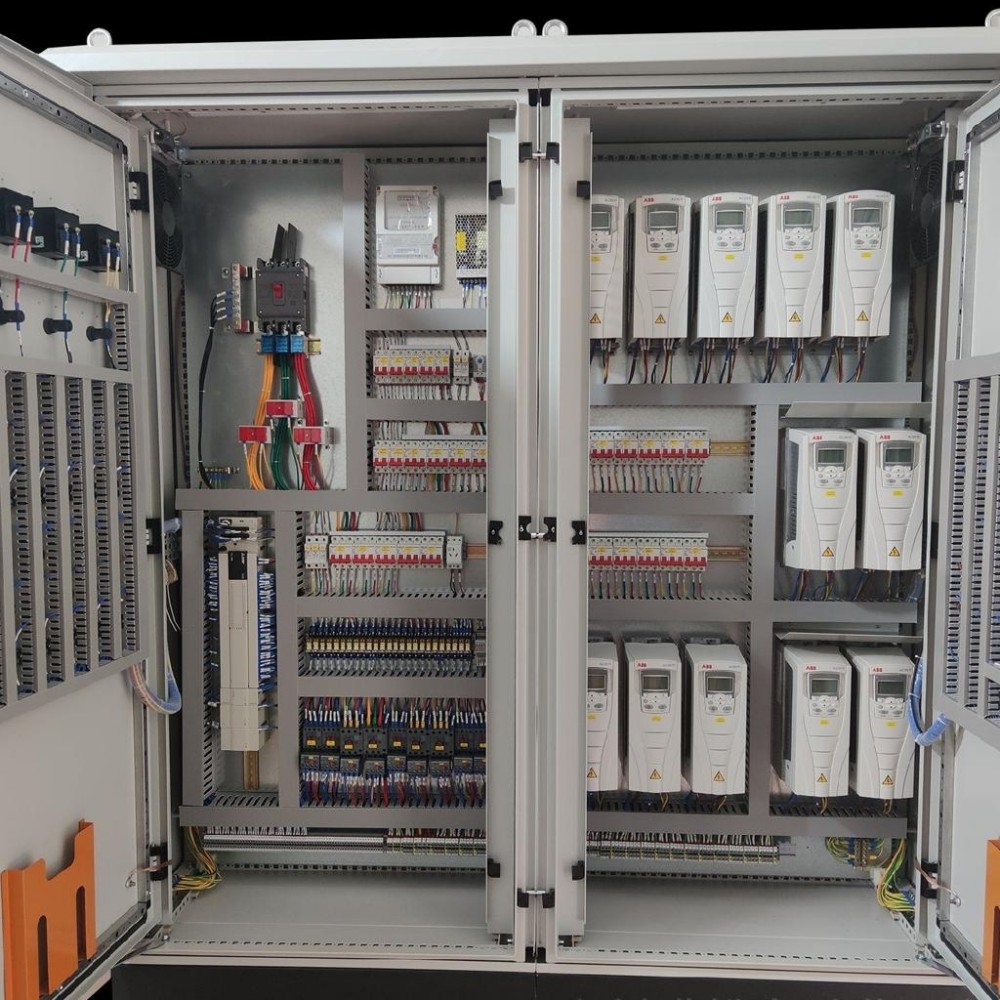
ABB Expands Industrial Automation Strategy With Advanced Electrification And Control Technology Development ABB Expands Industrial Automation Strategy With Advanced Electrification And Control Technology Development
2026-07-24 
ABB continues strengthening its position in the global industrial automation market by expanding i……
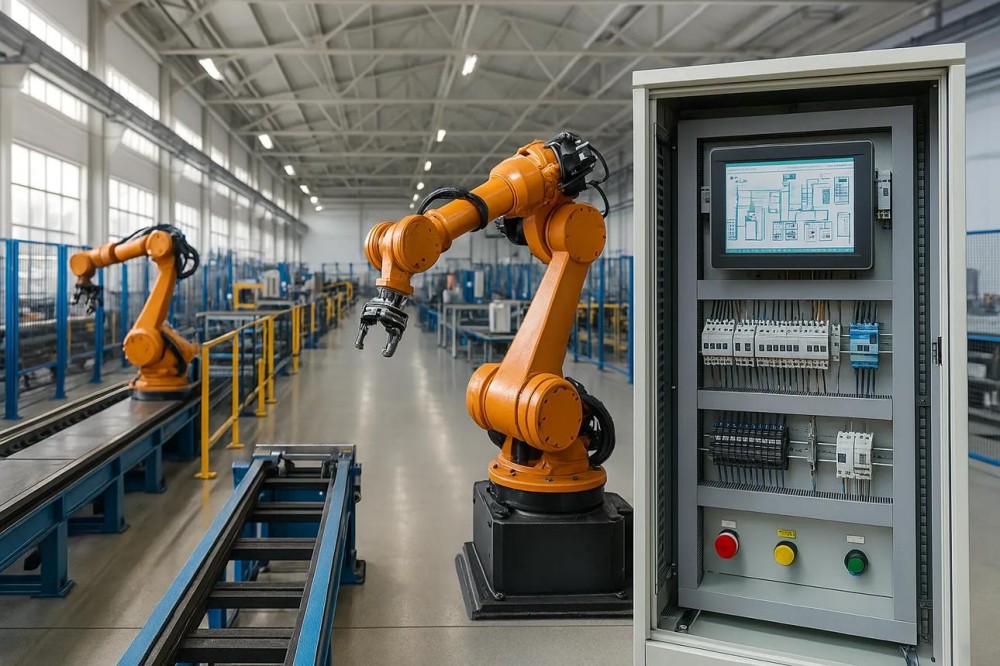
Industrial Automation Trends 2026: AI-Powered PLC And DCS Systems Accelerate Smart Factory Development Industrial Automation Trends 2026: AI-Powered PLC And DCS Systems Accelerate Smart Factory Development
2026-07-24 
Industrial automation is entering a new stage of development as artificial intelligence, industria……
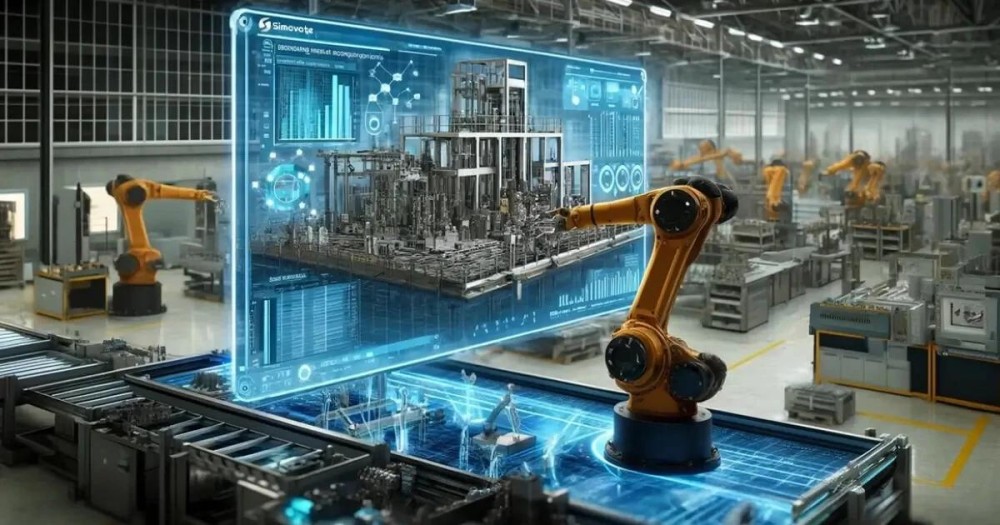
AI And Digital Twin Technologies Transform The Future Of Industrial Automation Systems AI And Digital Twin Technologies Transform The Future Of Industrial Automation Systems
2026-07-23 
Artificial intelligence and digital twin technologies are becoming important drivers of the next g……

Send Us An Inquiry


No:86996