100% Original, Ready to Ship!

Schneider Electric Introduces Open Software-Defined DCS For Next-Generation Industrial Automation
Schneider Electric has introduced EcoStruxure Foxboro Software Defined Automation (SDA), bringing a software-defined approach to distributed control systems (DCS) for process and hybrid industries. The new architecture reflects the growing demand for open, flexible, secure, and scalable industrial automation systems.

Unlike traditional control architectures that closely connect automation software with dedicated hardware, a software-defined DCS separates control functions from the underlying hardware infrastructure. This approach can give industrial facilities greater flexibility when upgrading controllers, I/O systems, edge devices, servers, and other automation components.
Foxboro SDA is designed around an open architecture and supports interoperability across different automation environments. Universal I/O and software-configurable edge I/O are also key elements of the system, helping engineering teams adapt control configurations while reducing the need for extensive hardware modifications.
Cybersecurity is another important consideration. Modern process plants increasingly connect operational technology with industrial networks, enterprise systems, cloud platforms, and digital applications. As a result, secure system architecture is becoming an essential requirement for DCS modernization projects.
The new approach is particularly relevant to industries such as oil and gas, chemicals, pharmaceuticals, power generation, water treatment, and other continuous-process applications. Many of these facilities rely on automation systems that operate continuously for years, making flexible modernization an important engineering challenge.
A software-defined DCS can provide an alternative path for plants looking to modernize control infrastructure while maintaining existing operational capabilities. It also supports the broader transition toward IT/OT convergence, edge computing, advanced analytics, and industrial artificial intelligence.
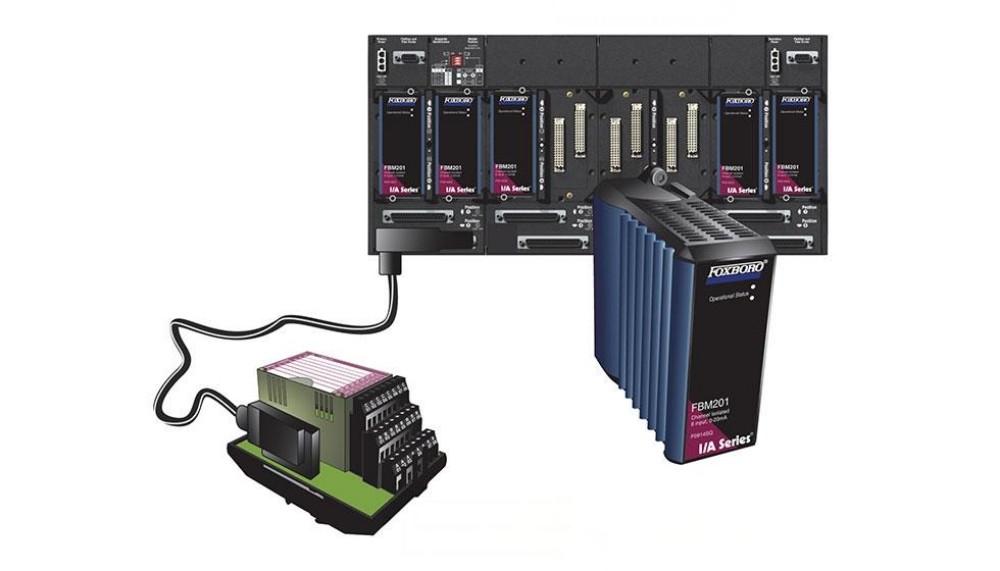
The development demonstrates how DCS technology is evolving from traditional hardware-centered control toward more open and software-centric automation architectures. For automation engineers, system integrators, and plant operators, this trend could influence future control system design, migration strategies, and lifecycle management.
 Rockwell Automation Introduces FactoryTalk Conductor: A New AI Platform For Industrial Automation
 Rockwell Automation Expands Industrial AI Capabilities With NVIDIA Nemotron Support
 Rockwell Automation Introduces FactoryTalk Conductor To Advance AI-Driven Industrial Automation
 ABB And Boliden Advance DCS Modernization With Ethernet-APL Industrial Automation