100% Original, Ready to Ship!

Schneider Electric Introduces Software-Defined DCS For Next-Generation Industrial Automation
Schneider Electric has introduced EcoStruxure Foxboro Software Defined Automation (SDA), a new software-defined distributed control system designed to support the modernization of industrial process control and automation environments.
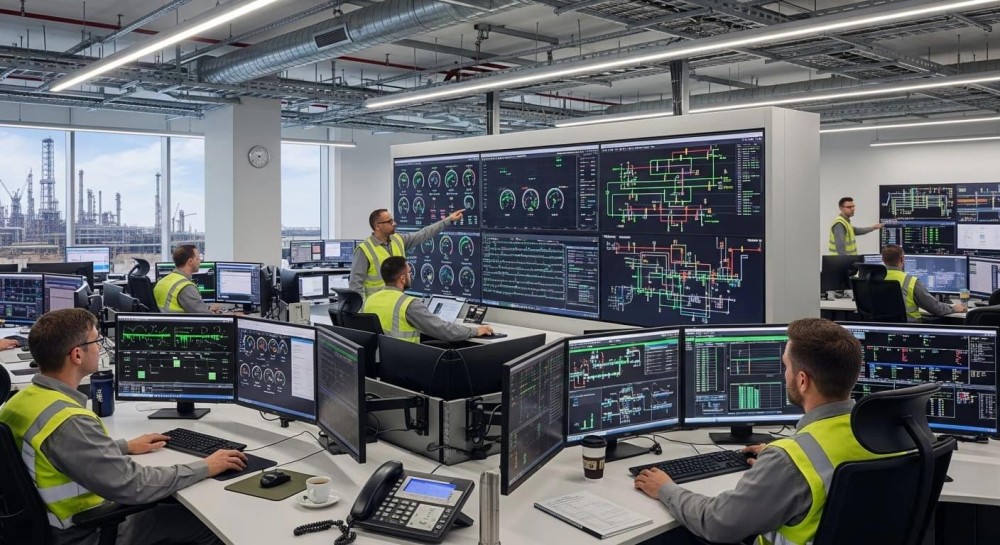
The platform is based on an open and software-defined approach to DCS architecture. This concept separates automation software capabilities from traditional hardware dependencies, providing industrial operators with greater flexibility when upgrading control systems and integrating new technologies.
For process industries, DCS modernization can be challenging because control systems often operate continuously for many years. Refineries, chemical plants, power facilities, water treatment plants and other process operations cannot always replace existing automation infrastructure in a single project. The ability to modernize control capabilities while maintaining operational continuity has therefore become an important engineering consideration.
EcoStruxure Foxboro SDA combines the established Foxboro process control environment with software-defined automation technologies, cybersecurity capabilities and real-time intelligence. The approach is designed to help industrial customers modernize their operations while reducing some of the limitations associated with traditional hardware-centered architectures.
The development also reflects a wider movement toward open automation. Instead of treating a DCS as an isolated control environment, modern industrial architectures increasingly connect controllers, field devices, engineering systems, industrial networks, edge computing and higher-level software platforms.
This trend is particularly important for brownfield plants. Existing PLC, DCS, SCADA and instrumentation assets may need to remain operational while new digital technologies are introduced around them. A more flexible architecture can support phased modernization instead of requiring a complete replacement of the existing automation system.
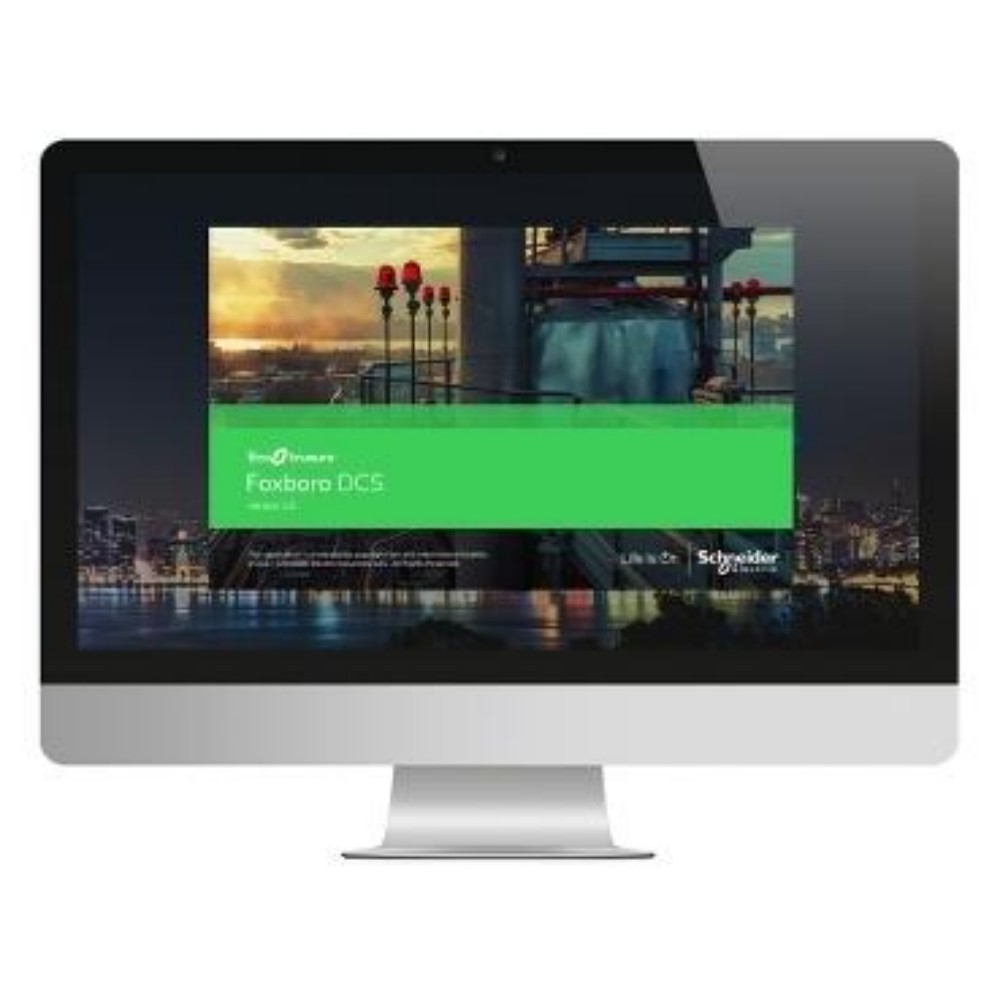
For automation engineers, the shift toward software-defined control also changes how future projects may be designed. Hardware selection remains important, but software architecture, interoperability, cybersecurity, data management and lifecycle support are becoming increasingly important parts of DCS modernization.
The move toward software-defined automation demonstrates how industrial control systems are evolving from traditional hardware-focused platforms toward more flexible and software-centric architectures. For process industries, this trend could become an important part of long-term automation modernization strategies.
 Rockwell Automation Introduces FactoryTalk Conductor: A New AI Platform For Industrial Automation
 Rockwell Automation Expands Industrial AI Capabilities With NVIDIA Nemotron Support
 Rockwell Automation Introduces FactoryTalk Conductor To Advance AI-Driven Industrial Automation
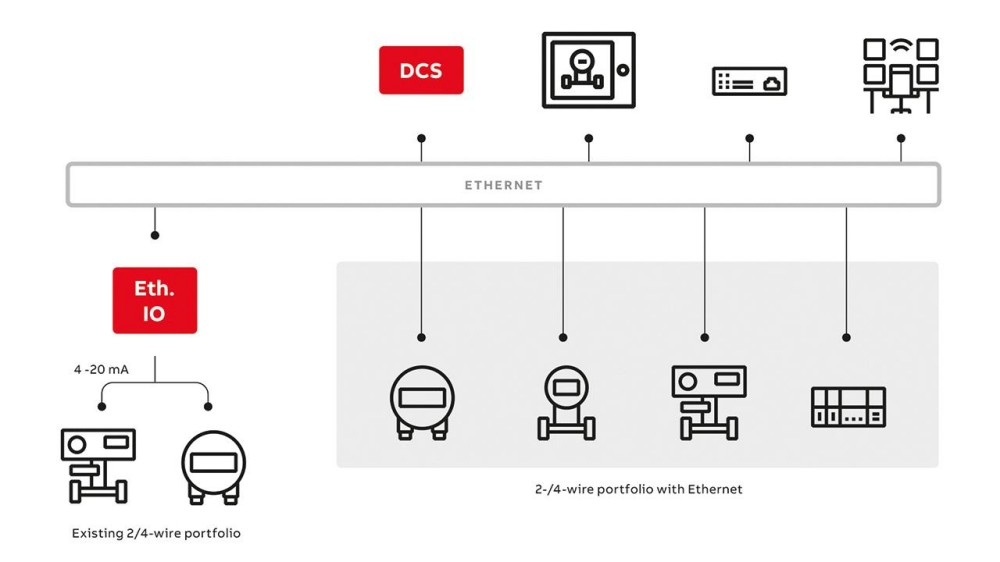 ABB And Boliden Advance DCS Modernization With Ethernet-APL Industrial Automation