100% Original, Ready to Ship!

Schneider Electric Introduces Open Software-Defined DCS Technology To Transform Future Industrial Automation
The global industrial automation market is experiencing a significant transformation as manufacturers and process industries search for more flexible, intelligent, and sustainable control solutions. Traditional automation architectures that rely heavily on dedicated hardware are gradually evolving toward software-driven platforms that provide greater scalability, interoperability, and operational intelligence.
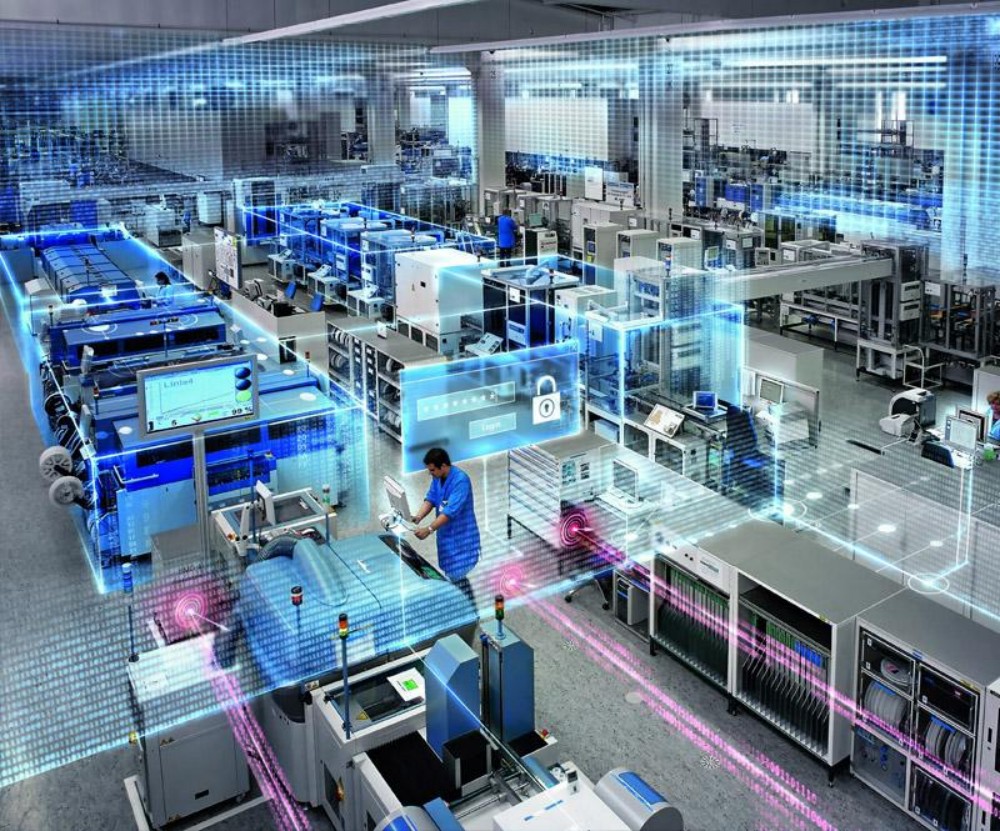
Schneider Electric has introduced its EcoStruxure™ Foxboro Software Defined Automation (SDA), an open software-defined Distributed Control System (DCS) designed to help industrial companies modernize their automation infrastructure and prepare their operations for future digital challenges. The new approach combines the reliability of traditional DCS technology with the flexibility of modern software-based automation.
This development represents an important shift in the industrial automation industry, where companies are increasingly looking for solutions that can integrate PLC systems, DCS platforms, industrial networks, cloud technologies, and advanced analytics into a unified automation environment.
The Growing Demand for Next Generation DCS Solutions
For decades, DCS systems have been the foundation of large-scale industrial process control. Industries such as oil and gas, chemical production, power generation, water treatment, pharmaceuticals, and mining depend on DCS technology to maintain stable and safe operations.
Traditional DCS platforms have provided excellent reliability, but many existing systems were designed decades ago with hardware-focused architectures. As industrial plants move toward digital transformation, companies face new challenges including aging infrastructure, cybersecurity requirements, changing workforce skills, and the need for faster technology adoption.
Modern industrial organizations require automation systems that can support continuous improvement rather than fixed hardware-based control strategies.
Software-defined automation introduces a new concept where control functions, engineering tools, and automation intelligence become more independent from specific hardware platforms. This allows companies to upgrade their automation environment more efficiently while reducing dependency on proprietary architectures.
Moving from Hardware-Based Control to Software-Driven Automation
One of the most important trends in industrial automation is the transition from hardware-defined systems toward software-defined architectures.
Traditional automation systems usually depend on dedicated controllers, proprietary networks, and specialized engineering environments. While these systems offer stability, they may create limitations when companies need to integrate new technologies such as artificial intelligence, cloud computing, digital twins, and industrial IoT solutions.
A software-defined DCS changes this approach by separating automation software from the underlying hardware infrastructure.
This provides several advantages:
- Greater hardware flexibility
- Easier system expansion
- Faster technology upgrades
- Improved integration with IT systems
- Reduced modernization complexity
For industrial companies operating multiple production facilities worldwide, this flexibility can significantly improve automation management and reduce long-term operational costs.
Improving Integration Between PLC and DCS Systems
The relationship between PLC and DCS technologies is becoming increasingly important in modern manufacturing environments.
PLCs continue to play a critical role in machine automation, motion control, packaging systems, robotics, and discrete manufacturing applications. DCS platforms remain essential for continuous process industries where advanced process management and high availability are required.
However, modern factories no longer operate isolated automation systems. Companies need communication between PLC controllers, DCS platforms, SCADA systems, MES solutions, industrial databases, and cloud-based applications.
A software-defined automation approach helps create a more connected industrial ecosystem where different automation layers can exchange information more efficiently.
For system integrators and automation engineers, this creates new opportunities to design flexible architectures that combine traditional control technologies with advanced digital solutions.
Cybersecurity Becomes a Core Feature of Industrial Automation
As factories become more connected, cybersecurity has become one of the most important considerations for industrial automation projects.
Industrial facilities are increasingly integrating operational technology networks with enterprise IT systems. While this connectivity improves efficiency and data visibility, it also introduces additional security challenges.
Modern DCS solutions must provide strong protection mechanisms to ensure reliable operation.
Software-defined automation platforms focus on embedded cybersecurity features, secure system architecture, access control management, and protection of industrial data.
For industries such as energy, chemical processing, and critical infrastructure, cybersecurity is no longer simply an IT concern. It has become a fundamental part of automation system design.
A secure automation platform helps companies maintain production continuity while supporting advanced digital capabilities.
Supporting Industrial Digital Transformation and Smart Manufacturing
Smart manufacturing has become a major global trend as companies look for ways to improve productivity, reduce energy consumption, and optimize production processes.
Advanced automation platforms provide the foundation for intelligent factories by collecting operational data and transforming it into valuable business insights.
A modern software-defined DCS can support:
- Real-time process monitoring
- Advanced data analysis
- Predictive maintenance
- Energy optimization
- Remote operation capabilities
- Digital twin applications
These capabilities allow industrial companies to move beyond traditional automation control and develop more intelligent production strategies.
With increasing pressure to improve efficiency and sustainability, automation systems are becoming strategic tools for business competitiveness.
Preparing Industrial Plants for Artificial Intelligence Applications
Artificial intelligence is becoming increasingly important in industrial automation.
AI-based technologies can help manufacturers identify production problems, optimize process parameters, improve quality control, and reduce equipment downtime.
However, AI applications require reliable access to industrial data from machines, sensors, PLCs, and DCS systems.
Software-defined automation creates a more suitable foundation for AI integration because it enables easier data exchange between industrial control systems and advanced analytical platforms.
Future industrial facilities will increasingly combine automation control, artificial intelligence, machine learning, and industrial data platforms to create autonomous and highly optimized production environments.
The Future of Industrial Automation Architecture
The introduction of software-defined DCS technology reflects a major change in how industrial automation systems are designed and managed.
The future automation environment will move toward:
- Open architectures instead of closed systems
- Flexible software platforms instead of fixed hardware solutions
- Integrated IT and OT environments
- Intelligent control systems supported by AI
- More sustainable and efficient production processes
For manufacturers, automation suppliers, and engineering companies, adopting these new technologies will become increasingly important in maintaining competitiveness in global markets.
Schneider Electric’s software-defined automation strategy demonstrates how the DCS industry is adapting to the changing needs of modern industrial operations.
Conclusion
Industrial automation is entering a new stage where flexibility, connectivity, and intelligence are becoming essential requirements.
Software-defined DCS technology provides industries with a powerful approach to modernizing existing control systems while supporting future digital innovation.
As factories continue to adopt smart manufacturing strategies, the combination of PLC automation, DCS technology, industrial software, and artificial intelligence will shape the next generation of industrial production.
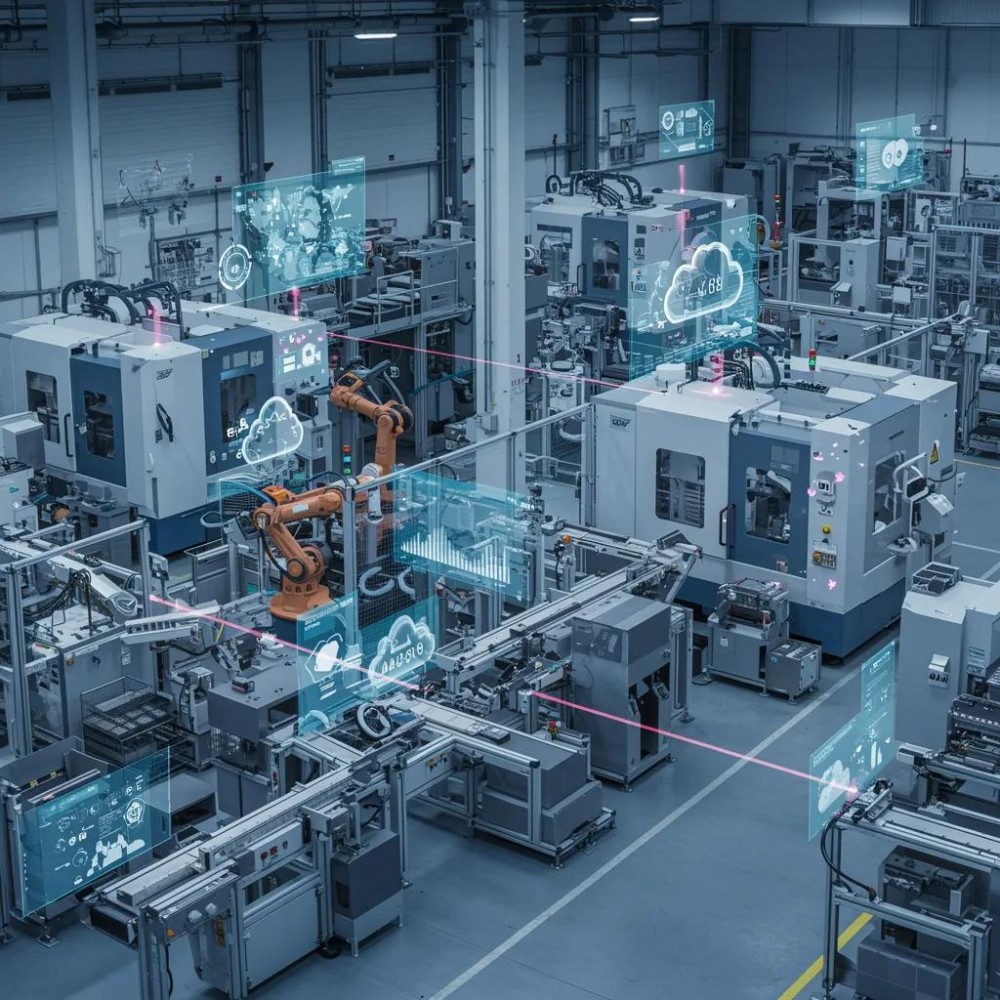
Companies that invest in flexible automation architectures today will be better prepared for the challenges and opportunities of tomorrow’s industrial landscape.
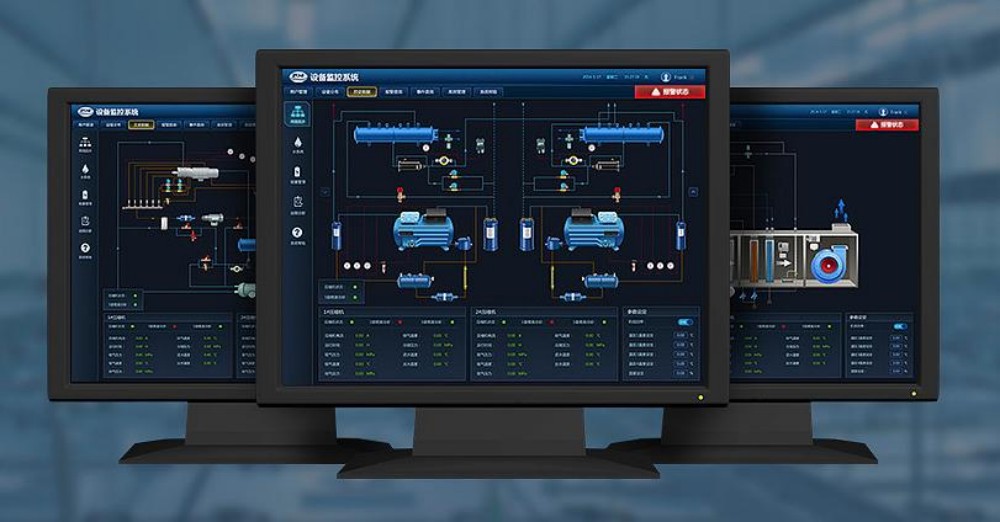 PLC And DCS Integration Becomes Key Technology Trend For Next Generation Industrial Automation Systems
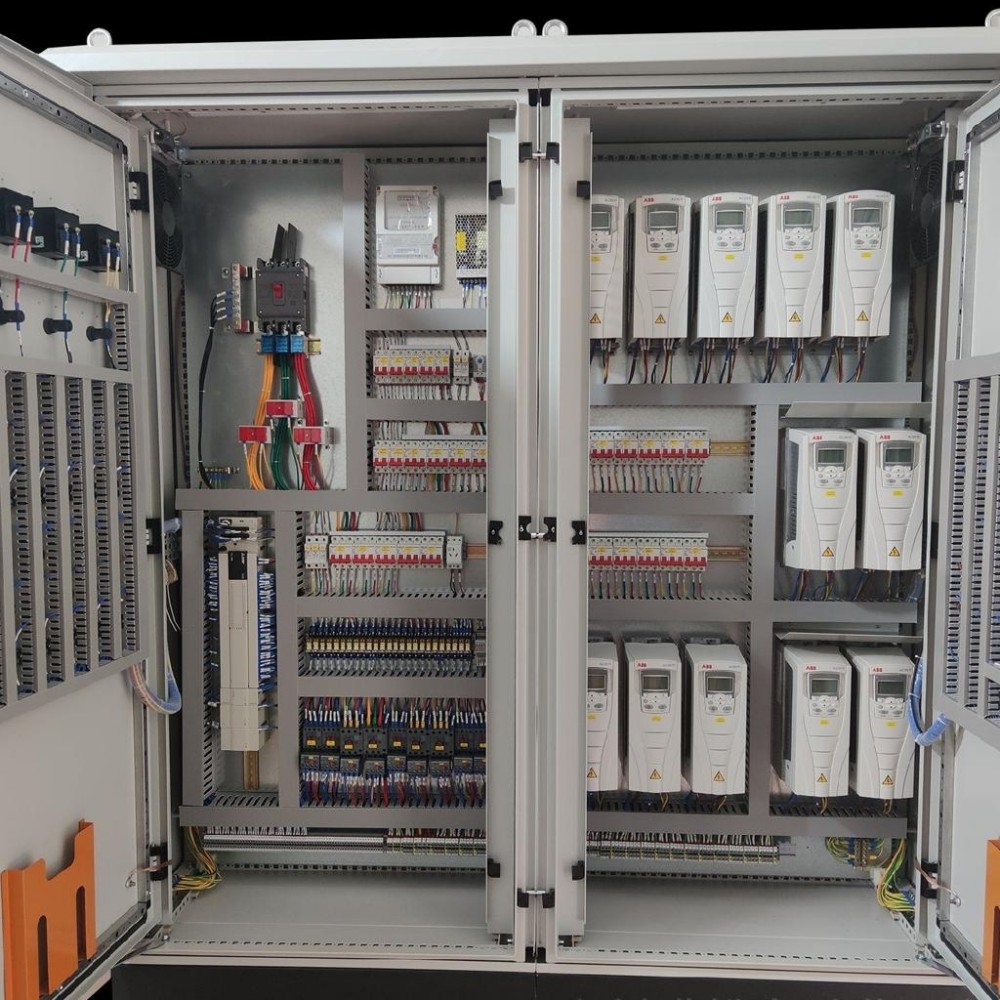 ABB Expands Industrial Automation Strategy With Advanced Electrification And Control Technology Development
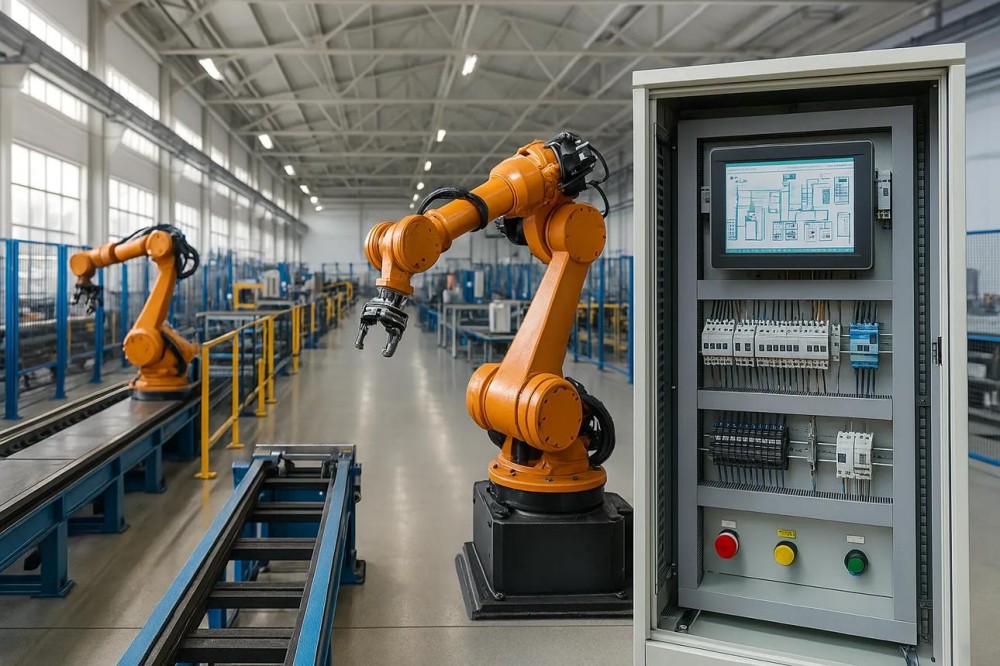 Industrial Automation Trends 2026: AI-Powered PLC And DCS Systems Accelerate Smart Factory Development
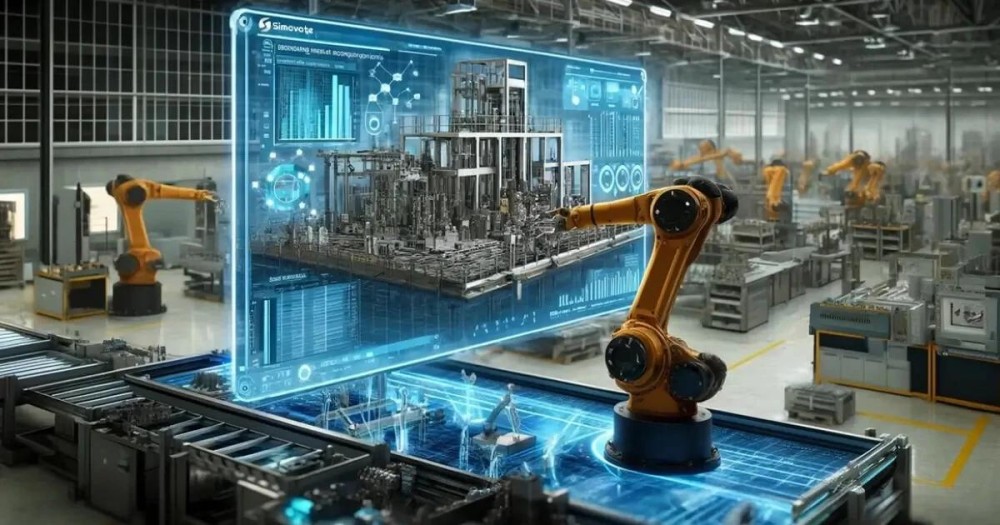 AI And Digital Twin Technologies Transform The Future Of Industrial Automation Systems