100% Original, Ready to Ship!

Siemens Accelerates Smart Manufacturing Development Through Industrial AI And Automation Innovation
The industrial automation industry is experiencing rapid transformation as artificial intelligence, digital twin technology, and industrial software become essential elements of modern manufacturing. Siemens continues to promote intelligent manufacturing solutions by combining automation hardware, engineering software, and digital technologies.
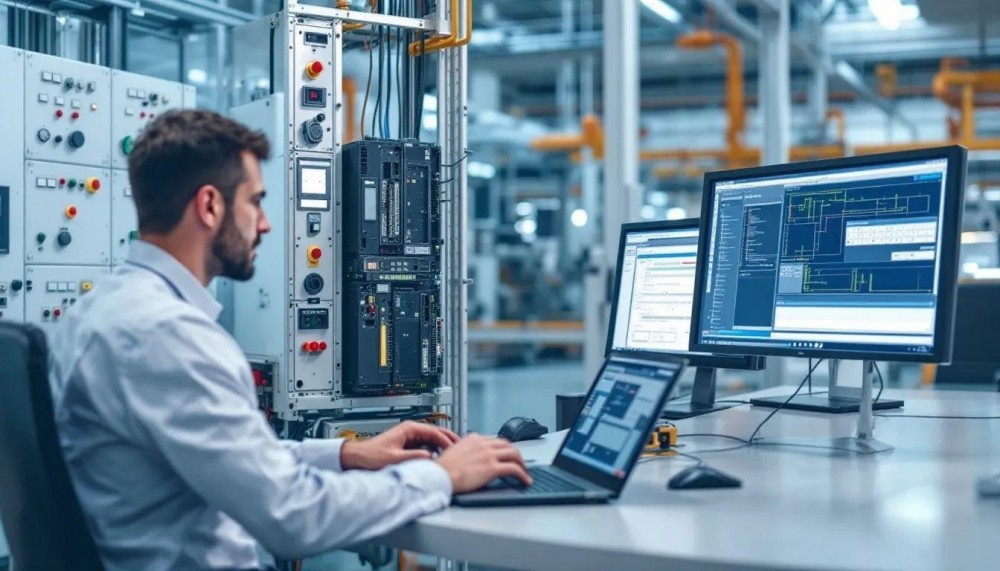
Manufacturers around the world are searching for new methods to improve production efficiency, enhance product quality, and reduce energy consumption. PLC controllers and distributed control systems remain the foundation of industrial production, while advanced digital technologies are expanding their capabilities.
Digital twin technology has become one of the most important developments in Industry 4.0. By creating virtual models of machines, production lines, and industrial facilities, engineers can simulate operations, test improvements, and optimize processes before implementing physical changes.
For industrial companies, digital twins provide advantages throughout the entire equipment lifecycle. Engineers can shorten development time, improve system commissioning efficiency, and reduce production risks. When combined with PLC automation systems, digital twins create a powerful connection between engineering design and real manufacturing operations.
Artificial intelligence is also becoming increasingly important in industrial environments. AI-powered software can analyze large amounts of operational data collected from sensors, controllers, and machines. This enables predictive maintenance strategies that help companies identify equipment problems before unexpected failures occur.
Traditional maintenance methods often rely on fixed schedules. However, intelligent automation systems allow companies to monitor actual equipment conditions and perform maintenance based on real operational requirements. This reduces unnecessary maintenance costs and improves production availability.
Another major trend in industrial automation is the development of flexible and open automation architectures. Modern factories require systems that can communicate with different devices, industrial networks, and software platforms. Open automation solutions allow manufacturers to upgrade their production systems without replacing complete infrastructures.
Siemens continues developing technologies that connect automation engineering with industrial digitalization. These solutions support industries including automotive manufacturing, electronics, pharmaceuticals, and process industries.
For PLC engineers, automation specialists, and industrial equipment suppliers, the growth of intelligent manufacturing creates new opportunities in system integration, automation upgrades, and technical support services.
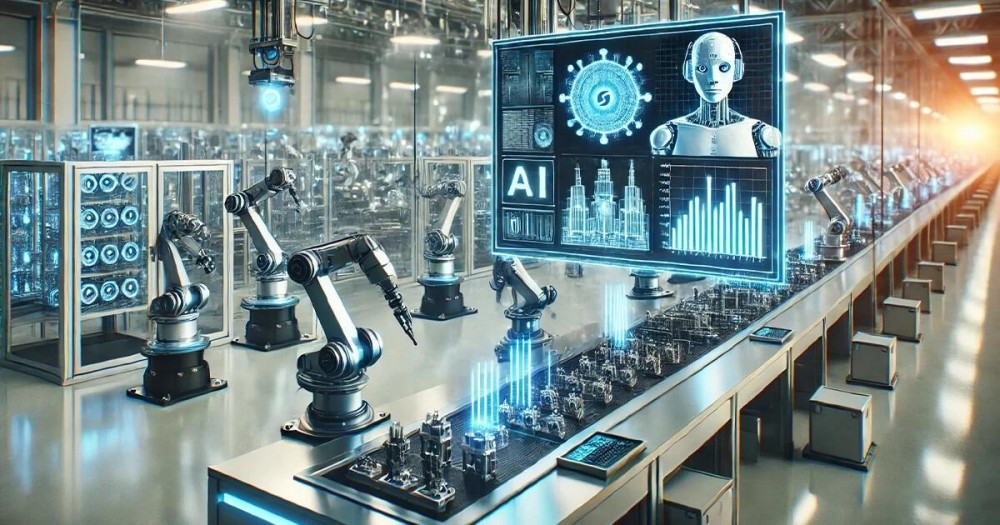
The combination of PLC technology, artificial intelligence, and digital twin solutions will continue driving the evolution of smart factories. Intelligent automation will remain a key factor in improving global manufacturing efficiency and competitiveness.
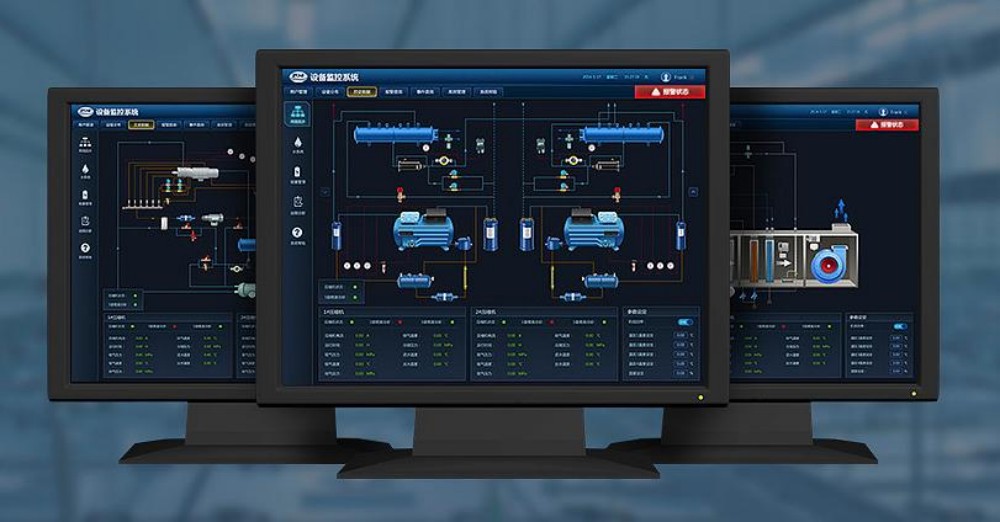 PLC And DCS Integration Becomes Key Technology Trend For Next Generation Industrial Automation Systems
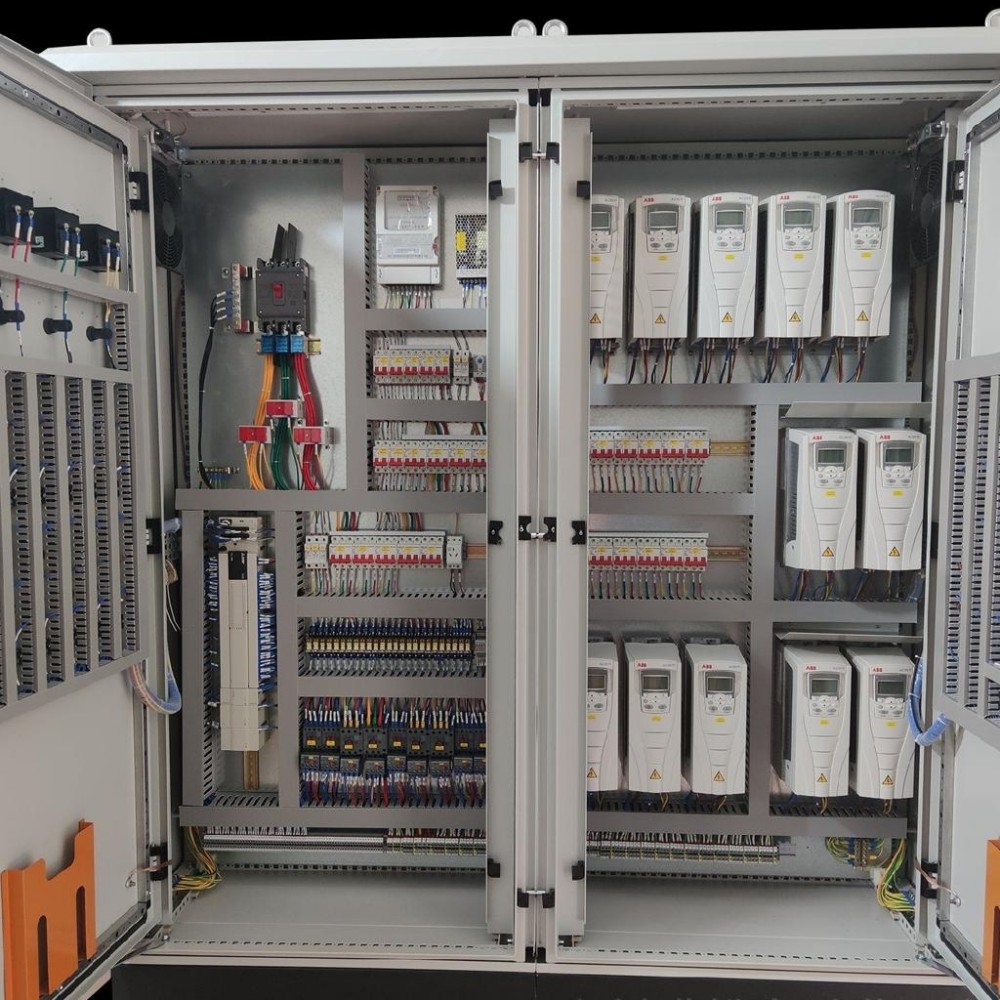 ABB Expands Industrial Automation Strategy With Advanced Electrification And Control Technology Development
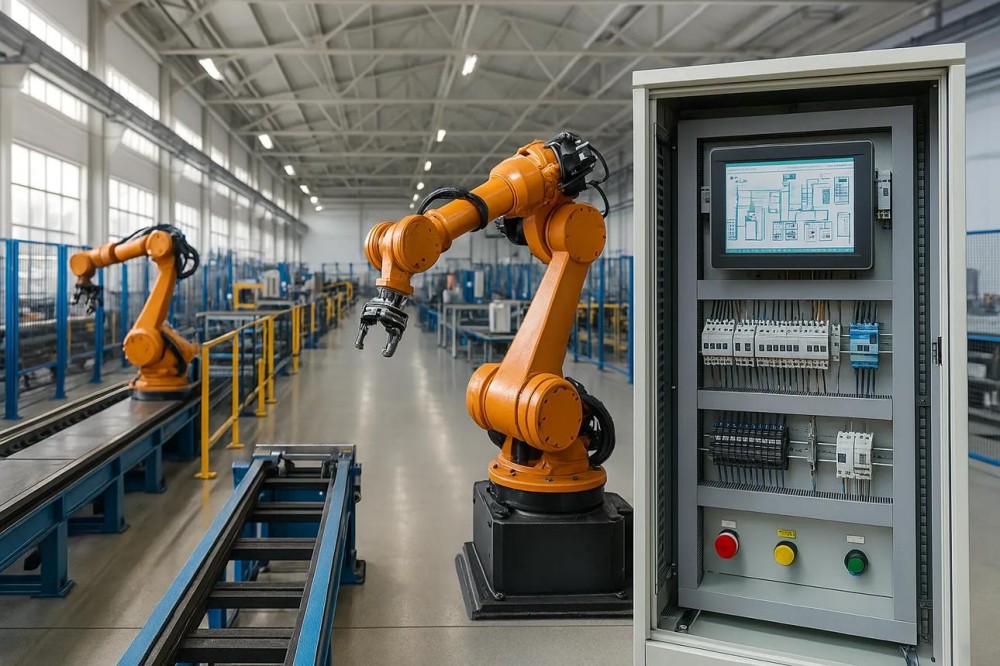 Industrial Automation Trends 2026: AI-Powered PLC And DCS Systems Accelerate Smart Factory Development
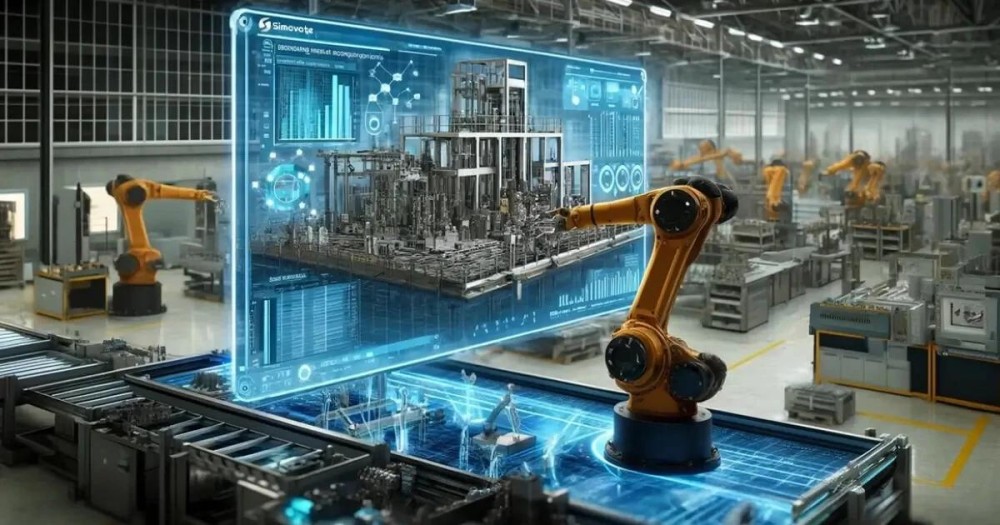 AI And Digital Twin Technologies Transform The Future Of Industrial Automation Systems