100% Original, Ready to Ship!

AI Robotics And Intelligent Automation Become Key Drivers Of Next Generation Manufacturing Systems
Industrial robotics and intelligent automation technologies are rapidly transforming global manufacturing as companies seek higher efficiency, improved flexibility, and more advanced production capabilities. The combination of artificial intelligence, robotics, sensors, and industrial control systems is creating a new generation of intelligent manufacturing environments.
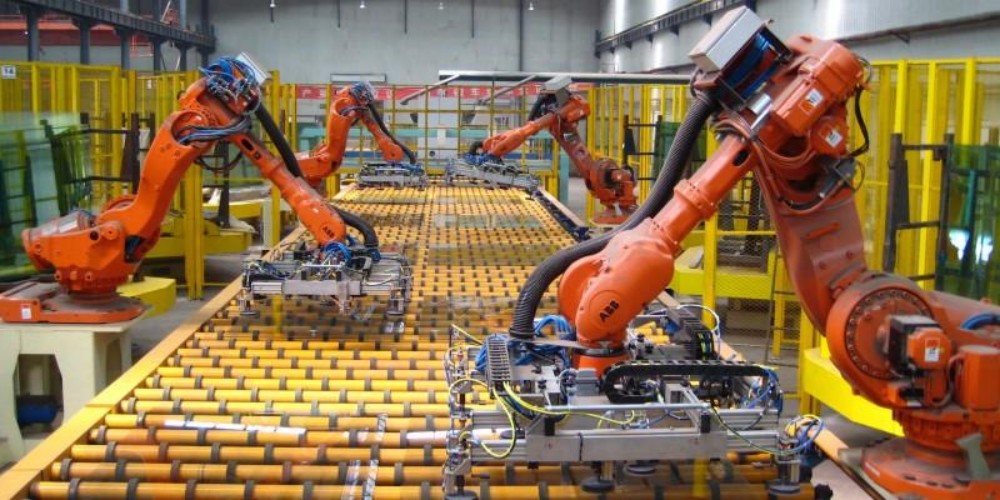
Modern industrial robots are becoming more advanced through the integration of AI algorithms, machine vision technology, and intelligent sensors. Unlike traditional automation equipment designed for fixed repetitive operations, AI-powered robots can analyze working conditions, adapt to production changes, and complete more complex manufacturing tasks.
For PLC engineers and automation professionals, this transformation creates new challenges and opportunities. Industrial robots are no longer isolated devices but important components within complete automation systems that include PLC controllers, motion control modules, safety systems, industrial communication networks, and manufacturing software platforms.
In smart factories, PLC systems continue to provide reliable real-time control, while artificial intelligence enhances system intelligence. Through industrial Ethernet, fieldbus networks, and IoT technologies, machines can exchange operational information and respond quickly to production requirements.
Predictive maintenance is becoming one of the most valuable applications of intelligent automation. Industrial sensors collect information such as vibration, temperature, pressure, and motor performance data. AI systems analyze this information to detect early signs of equipment problems, helping manufacturers reduce downtime and improve maintenance efficiency.
Intelligent robotics also provides solutions for industries facing labor shortages. Automated systems can perform repetitive, hazardous, and high-precision tasks while allowing engineers and operators to focus on system optimization and production management.
Many automation manufacturers are developing integrated solutions that combine robotics, PLC control, industrial networking, and intelligent software platforms. These technologies support flexible production lines that can quickly adapt to different products and changing market demands.
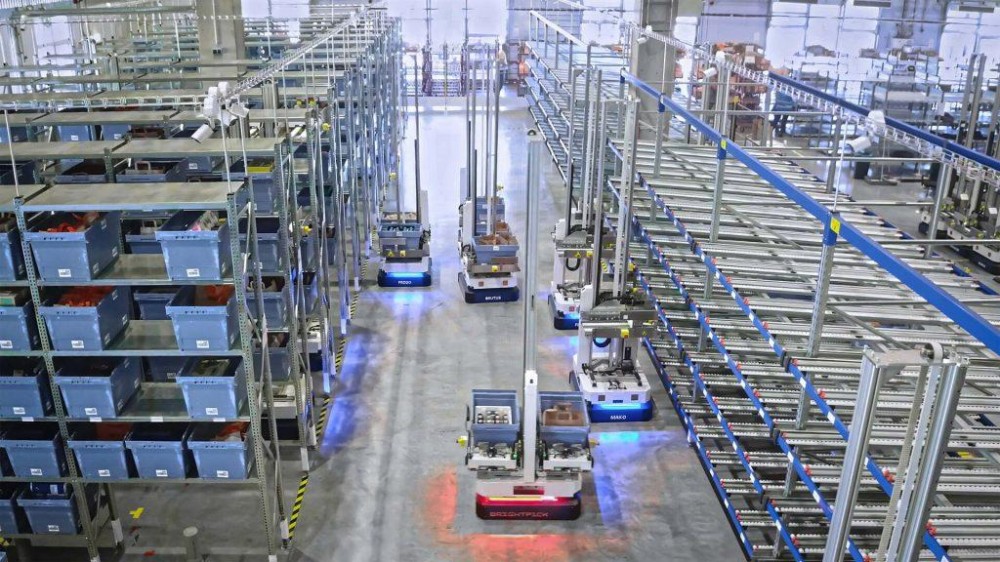
The future of manufacturing will depend on the combination of traditional automation technologies and advanced intelligence. PLC systems, DCS platforms, robotics, artificial intelligence, and industrial data analytics will work together to create more efficient and autonomous factories.
For companies involved in industrial automation, adopting intelligent technologies is becoming an important strategy to improve competitiveness and achieve Industry 4.0 transformation.
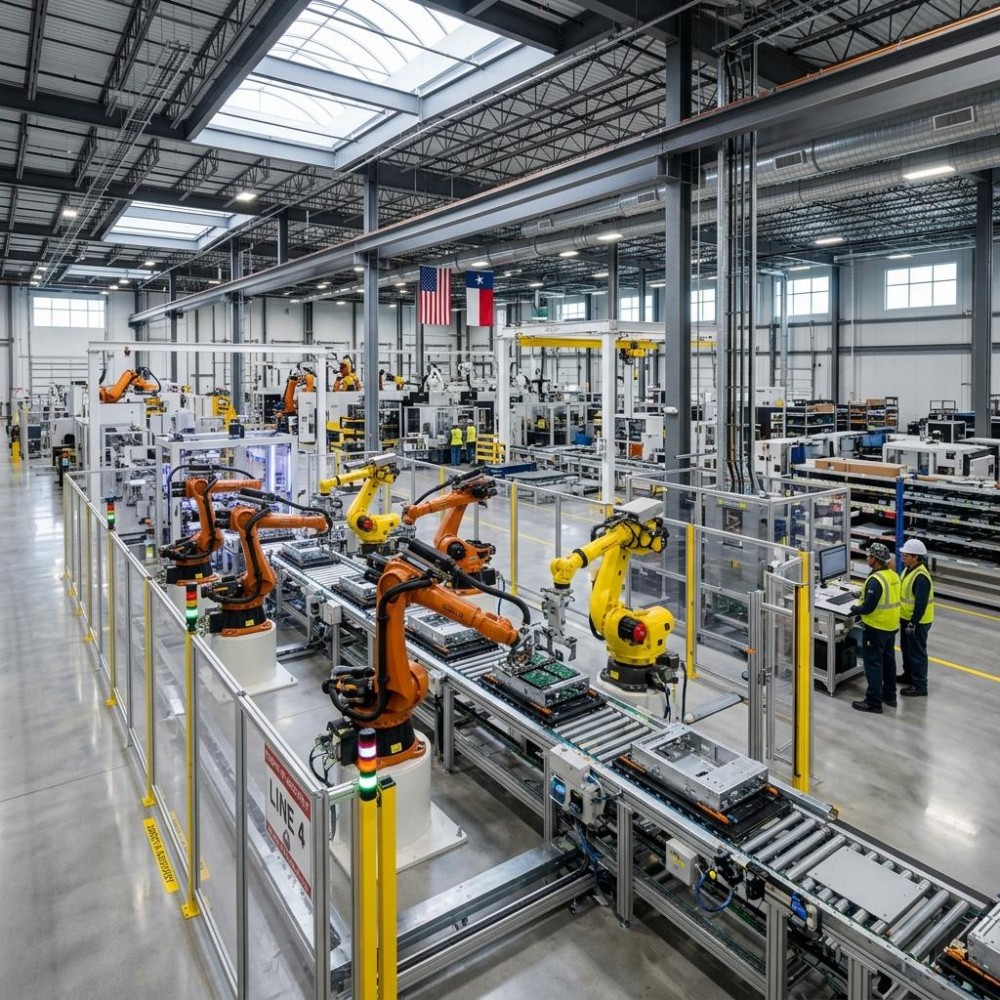 U.S. Industrial Robot Installations Rise 11% As Flexible Automation Expands
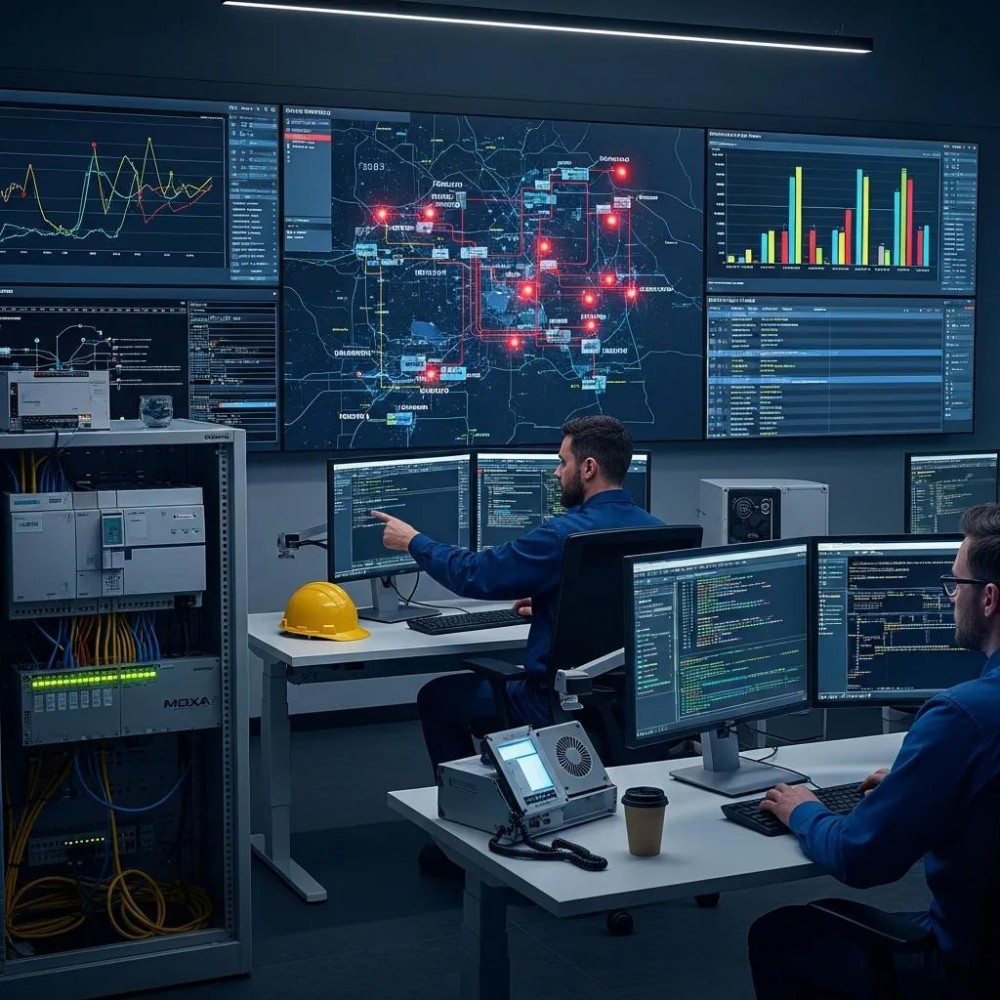 Siemens S7 PLC Cybersecurity Warning Highlights Growing OT Security Risks
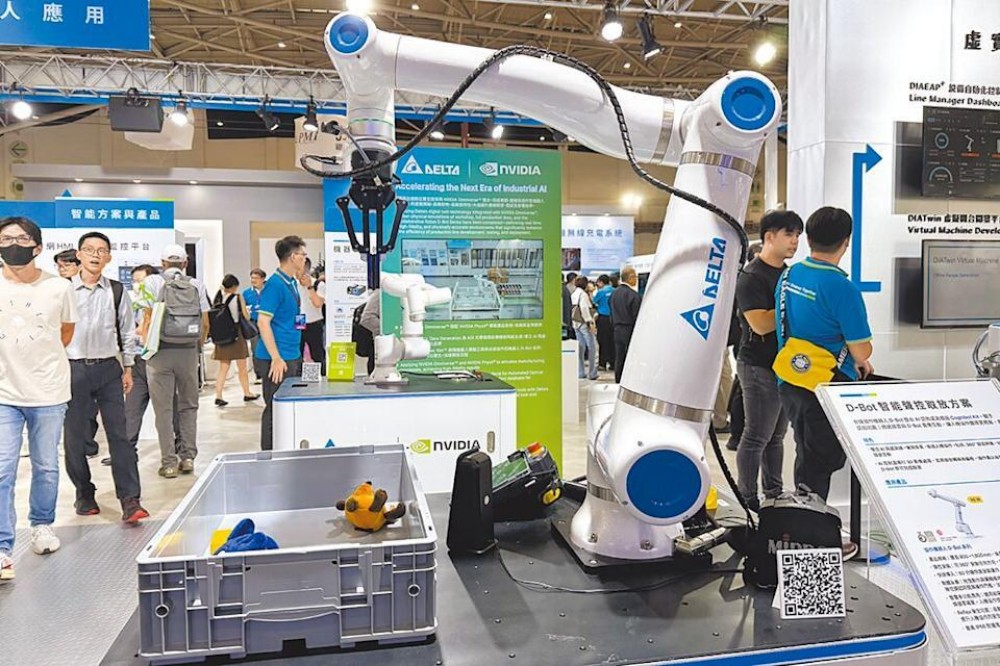 Delta’s Embodied AI And Digital Twins Signal A New Era For Industrial Automation
 Schneider Electric Advances Software-Defined Automation For PLC And DCS Modernization