100% Original, Ready to Ship!

Rockwell Automation Advances AI-Driven Water And Wastewater Automation
Rockwell Automation is highlighting artificial intelligence, advanced control and cybersecurity technologies for water and wastewater operations as utilities face increasing pressure to improve efficiency, reliability and infrastructure resilience.
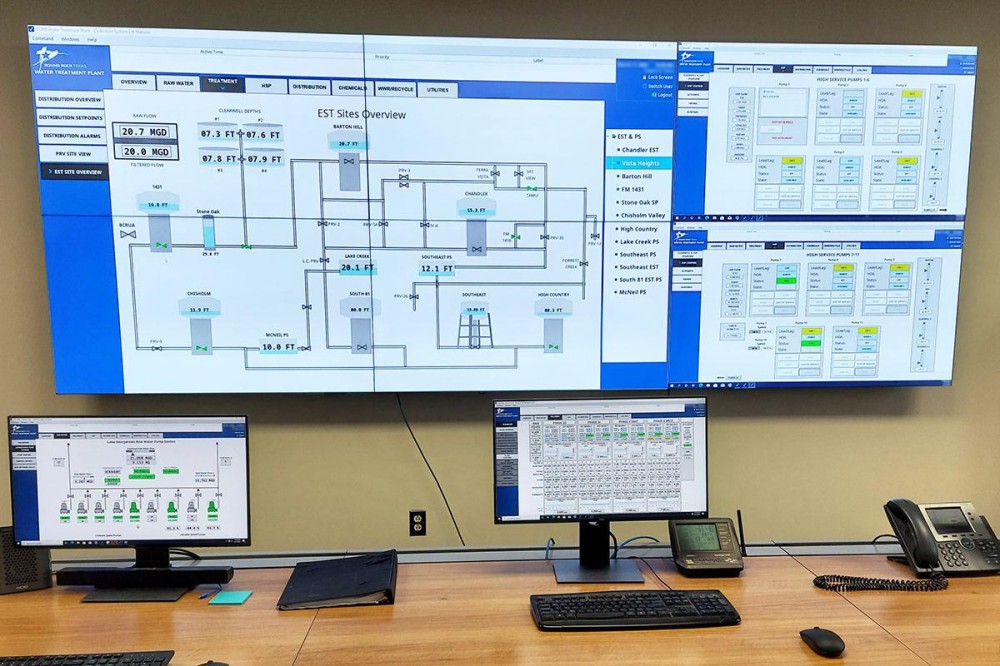
The company is showcasing technologies designed to help water and wastewater facilities modernize their automation infrastructure. The focus includes the integration of AI, machine learning and industrial control technologies to improve treatment processes and operational decision-making.
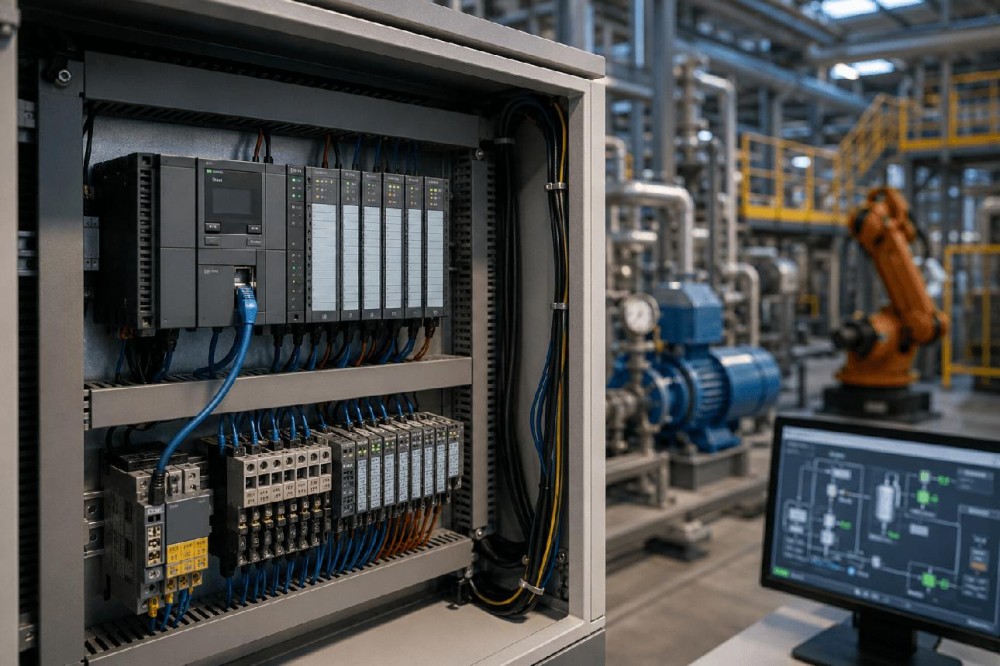
One of the technologies highlighted is the Allen-Bradley CompactLogix 5480 controller. The controller can provide real-time process information and support control applications in water and wastewater environments. By combining control data with higher-level operational information, automation systems can provide operators with greater visibility into plant conditions.
Modern water treatment facilities typically involve a large number of pumps, motors, valves, sensors and chemical dosing systems. Coordinating these assets requires reliable PLC control, industrial networking and process monitoring. As facilities become more digitally connected, the ability to analyze operational data is also becoming increasingly important.
AI and machine learning technologies can support process optimization, operating-cost reduction and improved system performance. A unified control architecture can also bring process, power and motor control information together, helping reduce the complexity associated with separate automation systems.
Cybersecurity is another important part of modern water automation. Water and wastewater infrastructure is increasingly connected to enterprise networks and remote monitoring platforms, making the protection of operational technology an important consideration in automation system design.
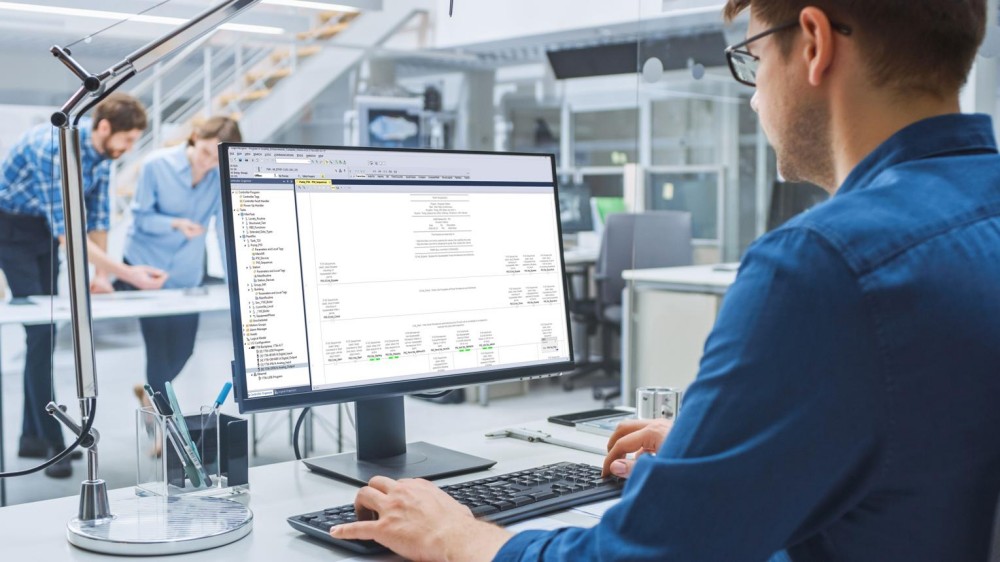
Modern automation projects therefore need to consider not only PLC programming and instrumentation, but also network segmentation, access control, monitoring and industrial cybersecurity practices.
The development reflects a broader transformation in utility automation. Traditional PLC and SCADA systems remain essential for real-time control, while AI, analytics and connected industrial platforms are increasingly being introduced to improve operational efficiency and decision-making.
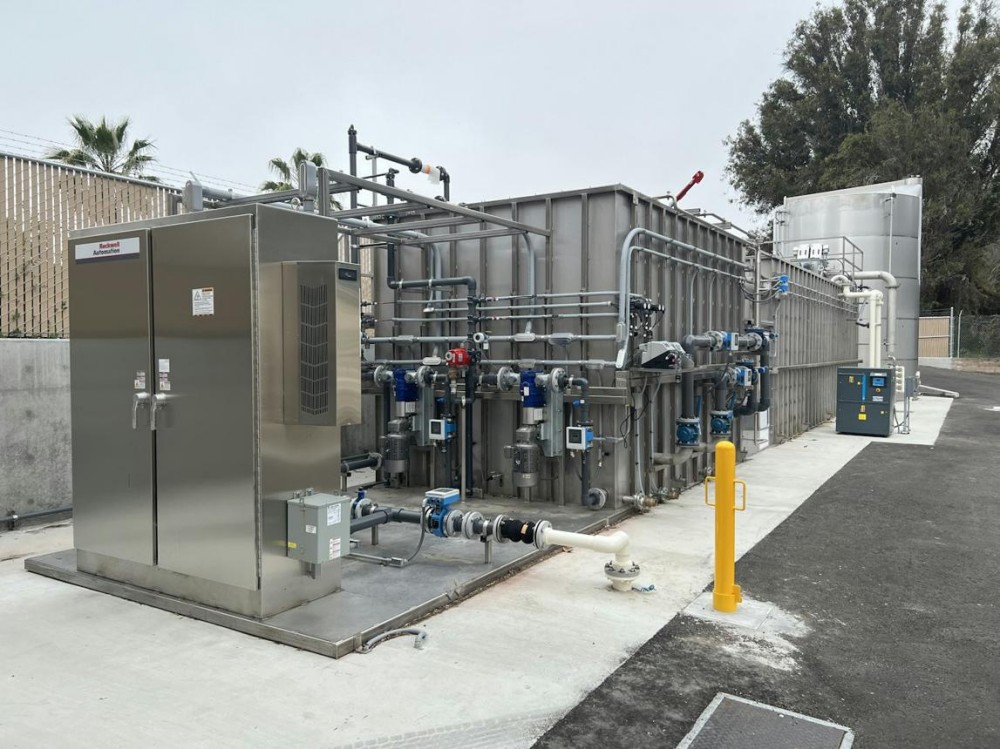
For system integrators and automation engineers, the combination of PLCs, industrial Ethernet, intelligent sensors, data analytics and cybersecurity creates new opportunities for upgrading existing treatment facilities without replacing every component of the original control infrastructure.
As water infrastructure continues to age and operational requirements become more demanding, digital automation technologies are becoming an increasingly important part of modernization strategies for treatment plants around the world.
 Rockwell Automation Introduces FactoryTalk Conductor: A New AI Platform For Industrial Automation
 Rockwell Automation Expands Industrial AI Capabilities With NVIDIA Nemotron Support
 Rockwell Automation Introduces FactoryTalk Conductor To Advance AI-Driven Industrial Automation
 ABB And Boliden Advance DCS Modernization With Ethernet-APL Industrial Automation