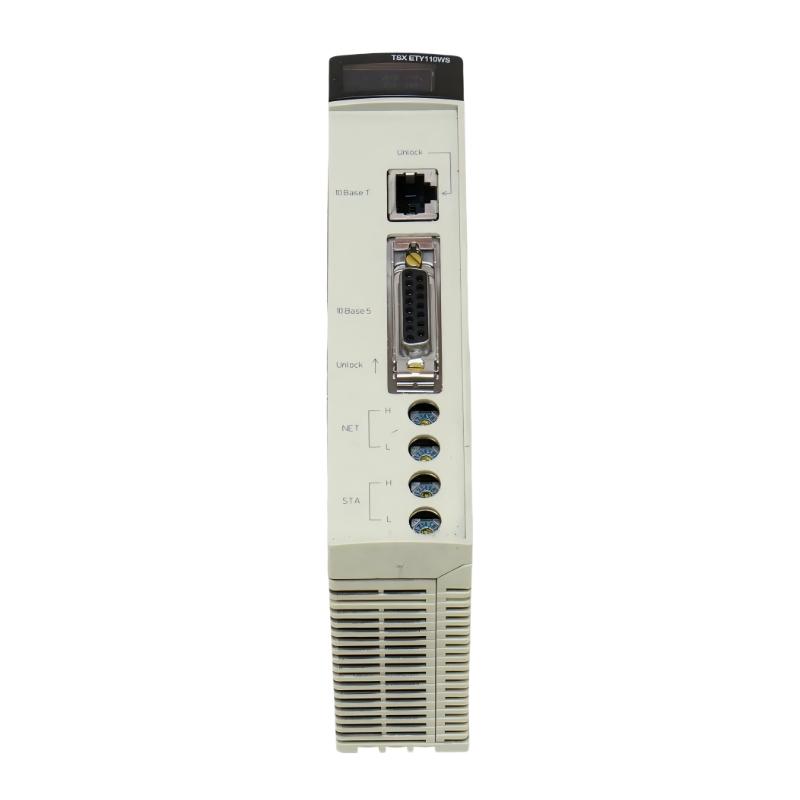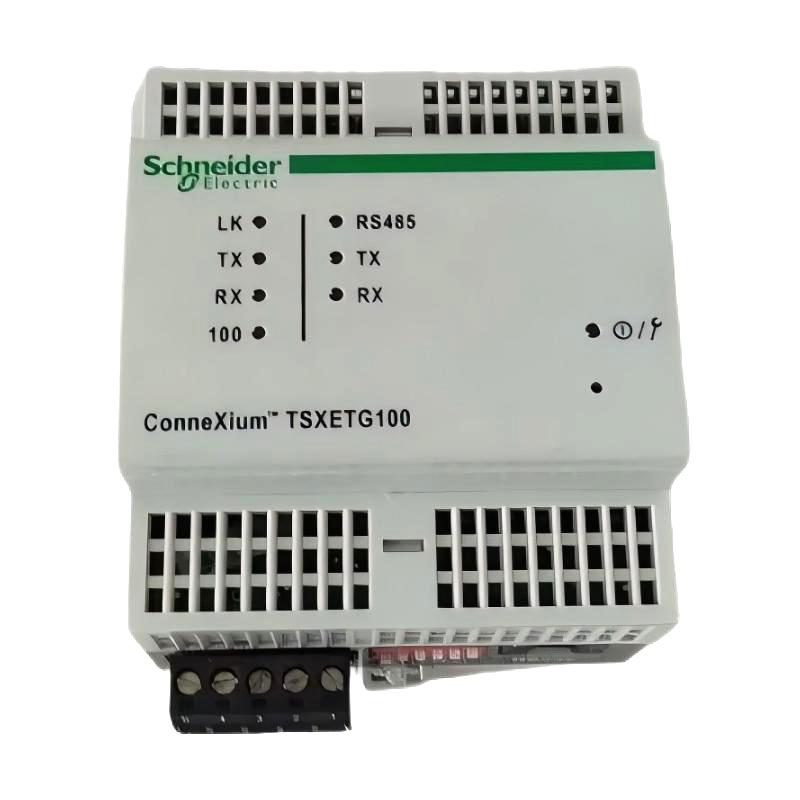
Schneider TSXETY410 Analog Output Module
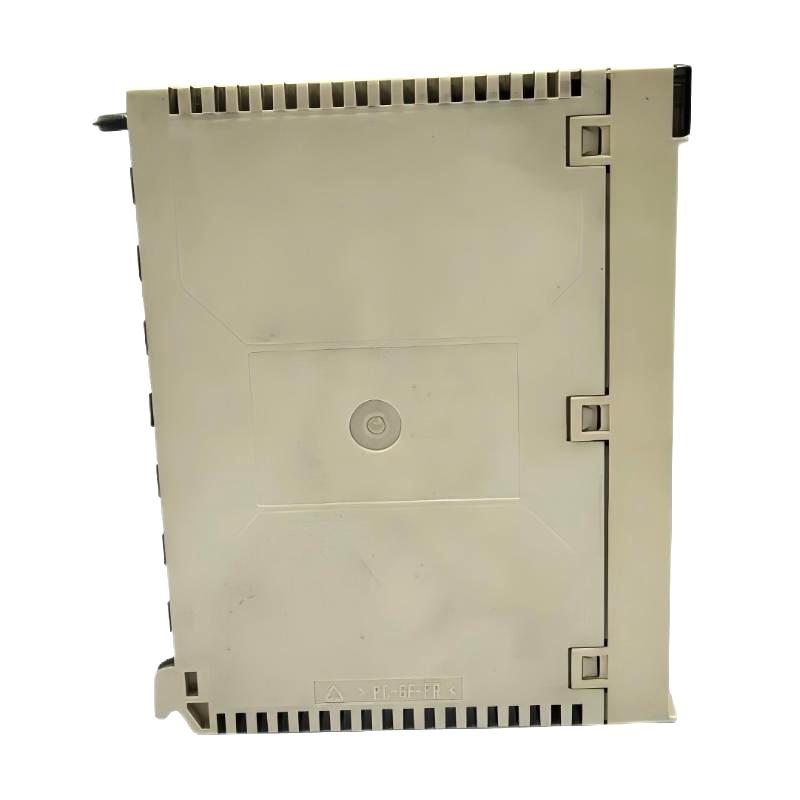
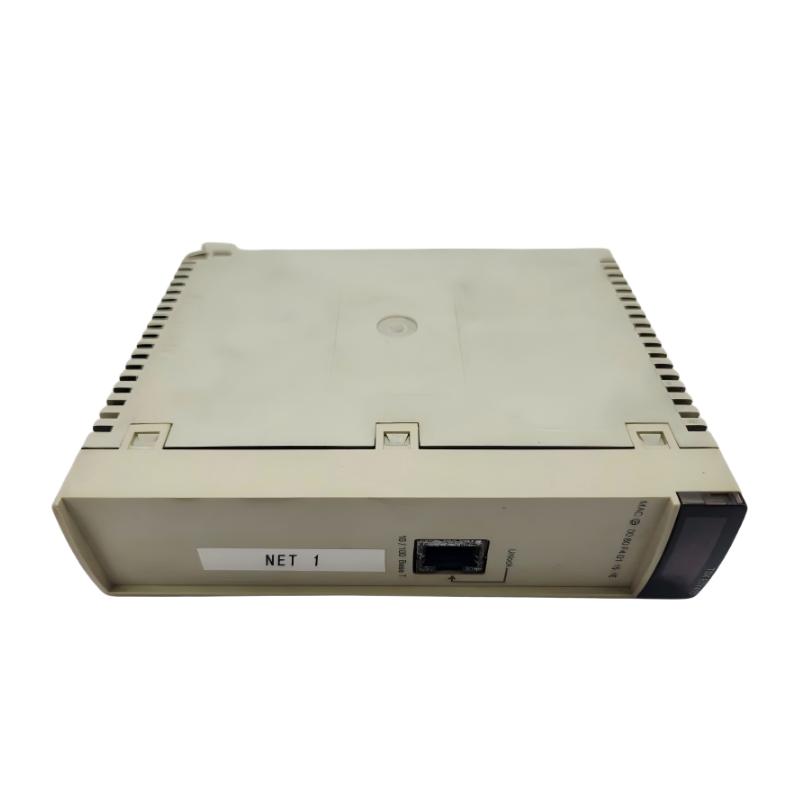
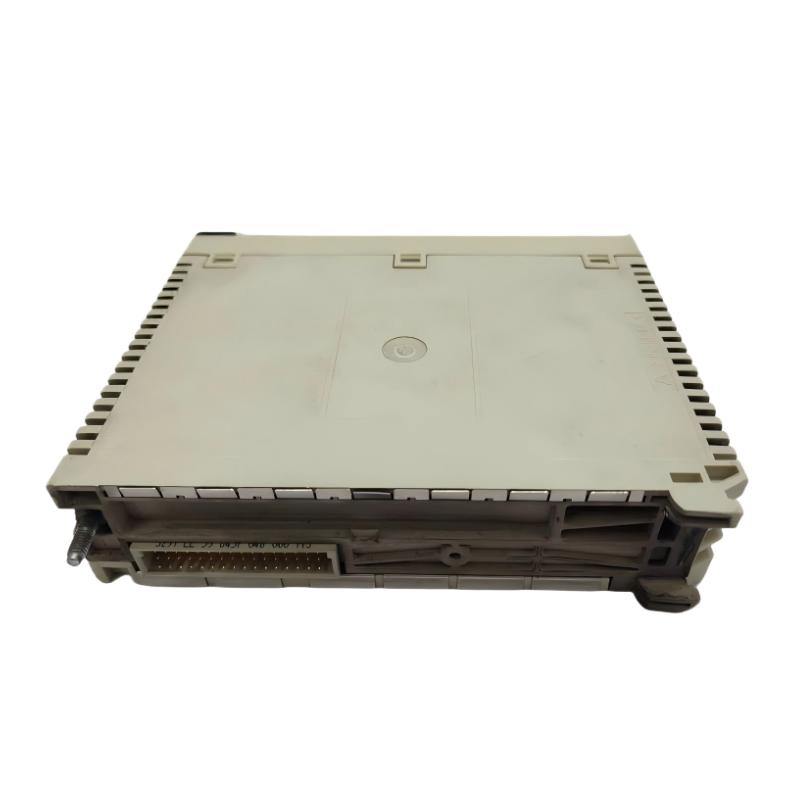
| Company Information | ||||||||
| [email protected] | ||||||||
| Mobile | +8615305023276 | |||||||
| +8615305023276 | ||||||||
| 15305023276 | ||||||||
| Add to | Room 1004, No. 62 Xiangxiu Li, Siming District, Xiamen City, Fujian Province, China | |||||||
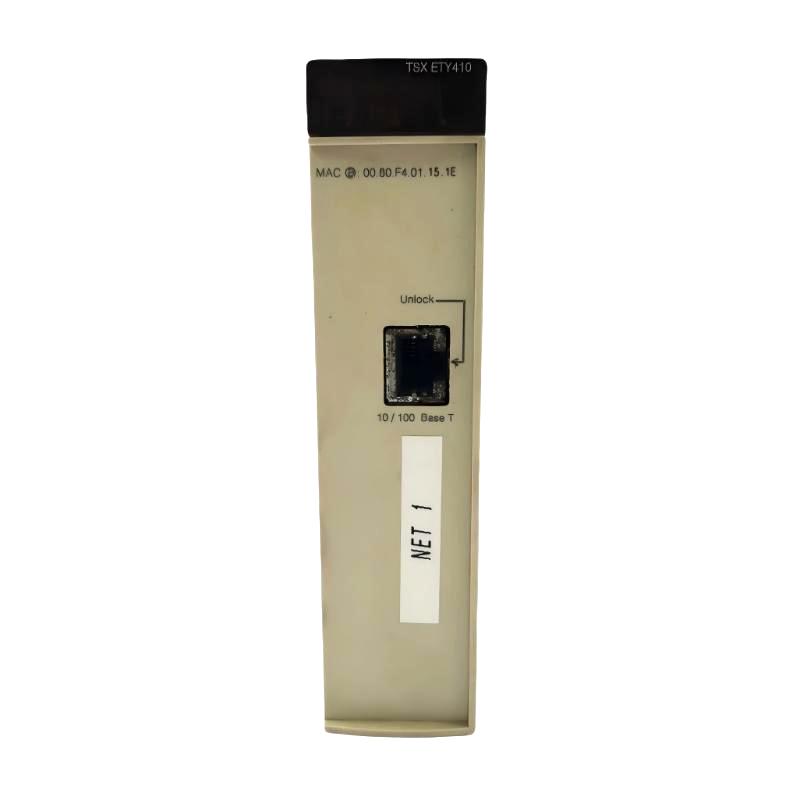 Technical Specifications
| Parameter | Specification |
|---|---|
| Brand | Schneider Electric |
| Product Type | Analog Output Module |
| Model | TSXETY410 |
| Module Type | Analog Output Module |
| Output Function | Provides analog control signals to field actuators and control devices |
| Signal Type | Analog Output |
| Main Function | Converts PLC control data into corresponding analog output signals |
| Control System | Schneider Electric PLC Automation System |
| Control Architecture | PLC Controller → TSXETY410 → Analog Field Device |
| Typical Applications | Industrial automation, process control, actuator control, and analog regulation |
| Compatible Equipment | Control valves, variable frequency drives, analog actuators, and other compatible field devices |
| System Application | Continuous process control and analog device regulation |
| Installation | Installed in a compatible Schneider Electric automation system |
| Product Purpose | PLC analog output and field device control |
| Dimensions | 260 × 180 × 55 mm |
| Weight | 0.35 kg |
FAQ
1. What is the Schneider TSXETY410 mainly used for?
The Schneider TSXETY410 is an analog output module designed for Schneider Electric automation systems. Its primary purpose is to convert control data generated by the PLC program into analog output signals and deliver them to field control devices. It is suitable for applications that require continuous adjustment rather than simple ON/OFF control, including control valves, variable frequency drives, analog actuators, and other compatible equipment. In a typical control loop, the PLC calculates the required output according to process values, setpoints, and control logic, while the TSXETY410 generates the corresponding analog signal. This allows field equipment to be adjusted continuously and supports stable process regulation.
2. What role does the TSXETY410 play in a PLC system?
The TSXETY410 provides the analog output interface between the PLC controller and field devices that require continuous control signals. The PLC program calculates an output value based on input signals, setpoints, control algorithms, and equipment status. The resulting control data is sent to the analog output module, which converts the data into a corresponding field signal. Unlike a digital output that normally provides only an ON or OFF state, an analog output can provide continuously variable control. This makes the TSXETY410 suitable for applications such as gradually adjusting valve position, regulating drive speed, or controlling other continuously variable process parameters.
3. What types of industrial equipment can be controlled with the TSXETY410?
The TSXETY410 can be used with industrial equipment that accepts compatible analog control signals, including control valves, variable frequency drives, analog actuators, and other continuous-control devices. In a process control application, the PLC can calculate an output based on pressure, flow, temperature, level, or another process variable and then transmit the calculated value through the TSXETY410. For example, in a flow-control loop, the PLC can compare the actual flow with the desired setpoint and adjust the output signal accordingly. The connected control valve can then change its position progressively, allowing the process flow to be maintained near the target value. This type of analog control is particularly useful where smooth and precise regulation is required.
4. How can an abnormal TSXETY410 analog output be diagnosed?
Troubleshooting an abnormal analog output should normally proceed through the PLC program, module status, wiring, and field device. First, verify that the PLC program is executing correctly and that the relevant output channel is being commanded as expected. Then check the module status and system diagnostics for hardware or configuration faults. The field terminals, cables, connections, and signal polarity should also be inspected. A suitable test instrument can be used to determine whether the actual output signal corresponds to the value commanded by the PLC. If the module output is correct but the field device does not respond correctly, continue by checking the field wiring and the input configuration of the connected equipment. Incorrect scaling or engineering-range settings should also be considered because software configuration errors can produce an apparently incorrect physical output.
5. What should be considered when configuring the TSXETY410?
When configuring the TSXETY410, first confirm that the module is compatible with the Schneider Electric PLC system being used. The purpose of each output channel should then be defined according to the project design, with each channel mapped clearly to its corresponding field device. Engineers should verify the required output signal type, engineering range, scaling, and control logic. When the module is connected to equipment such as control valves or variable frequency drives, the field device’s input requirements must match the module configuration. After software configuration is completed, each output channel should be tested individually. The commanded PLC value should be compared with the measured physical output. If a discrepancy occurs, check scaling, engineering range, wiring, and the input configuration of the field device before placing the system into normal operation.
6. Why might the analog output from a TSXETY410 fluctuate?
Analog output fluctuations can have several possible causes. First, check whether the PLC control program itself is continuously changing the commanded output. If the programmed value remains stable while the physical signal fluctuates, inspect the output circuit, field wiring, power supply, and connected equipment. In closed-loop control systems, the feedback signal should also be examined because unstable feedback can cause the controller to repeatedly adjust its output. Incorrect engineering ranges, scaling parameters, control settings, or field-device response characteristics can also contribute to abnormal output changes. A useful troubleshooting method is to compare the PLC program variable, the module’s commanded output, and the actual field signal. Comparing these values helps identify whether the fluctuation originates in the control logic, module configuration, output circuit, or field equipment.
7. What should be considered when replacing a TSXETY410?
Before replacing a TSXETY410, verify the exact replacement model and system compatibility, and place the affected control loop into an appropriate maintenance or safe state according to site procedures. Before removal, it is recommended to document the channel assignments, field wiring, and software configuration to prevent channel-mapping errors after installation. Once the replacement module is installed, check the connection between the module and the control system and confirm that the PLC recognizes the hardware correctly. Then verify the configuration and field wiring of each analog output channel and test them individually using appropriate test signals. For critical equipment such as control valves and variable frequency drives, verify output direction, signal range, and equipment response before returning the loop to automatic operation. This helps prevent unintended equipment movement caused by an incorrect output configuration.
8. What tests should be performed when commissioning the TSXETY410?
Commissioning should cover hardware installation, software configuration, individual channel testing, and functional testing of the connected field equipment. First, confirm that the module is correctly installed and recognized by the control system. Then verify the module configuration and ensure that each output channel corresponds to the correct field device. During channel testing, apply several controlled output values through the PLC program and use an appropriate measuring instrument to verify that the physical output corresponds to the commanded value. The response of the field device should then be checked—for example, confirming that a control valve changes position correctly or that a variable frequency drive responds appropriately to the control signal. For closed-loop applications, feedback signals, alarms, interlocks, and control logic should also be tested. A complete end-to-end test from the PLC program through the TSXETY410 output and into the field device provides a stronger confirmation that the analog output loop is ready for normal operation.
Schneider TSXETY410 Analog Output Module is in stock. Please contact us for a quick quote and competitive pricing.
| Company Information | ||||||||
| [email protected] | ||||||||
| Mobile | +8615305023276 | |||||||
| +8615305023276 | ||||||||
| 13950166376 | ||||||||
| Add to | Room 1004, No. 62 Xiangxiu Li, Siming District, Xiamen City, Fujian Province, China | |||||||
Company Introduction
Xiamen Shengruite Trading Co., Ltd. is a company specializing in the supply of industrial PLC spare parts.
We provide high-quality PLC spare parts to customers in the global manufacturing, energy and power, chemical and other fields.
Since its establishment in 2011, after 13 years of rapid development, the cumulative global shipments have reached 223,650 pieces, with an annual output value of US$50 million.
Successfully served more than 500 customers in more than 100 countries and regions including Saudi Arabia, UAE, the United States, Europe, Africa, and Southeast Asia
Our Mission
Provide customers with the best quality PLC spare parts and the fastest delivery service to ensure that their industrial automation systems are always in the best operating condition.
We provide a 1-year warranty service, and we support returns and exchanges for any issues to ensure your rights and interests are fully protected.
We can provide detailed product images upon request, and our team can arrange warehouse photos for confirmation to ensure you have all the information you need before making a purchase.
Shipping times vary depending on your location. With the support of our 16 global warehouses, we strive to deliver orders as quickly as possible. Contact us to get an estimated delivery time for your specific location.
The minimum order quantity (MOQ) is typically one unit. However, for larger orders, please contact us for potential discounts and pricing details.
Yes, we offer competitive pricing for bulk purchases. Please reach out to our sales team with the specifics of your order to receive a custom quote.
We accept various payment methods for wholesale orders, including bank transfers (T/T), letters of credit, and other options upon agreement. For large transactions, please contact us directly for payment terms.
Yes, we offer flexible ordering options for both small and large quantities. Whether youre looking for a single unit or a large batch, we can accommodate your needs.
We occasionally offer promotional discounts for new wholesale customers. Contact us to learn more about any current offers available for first-time buyers.
If you are unsure of compatibility with your existing setup please provide your system details and our support team can verify compatibility prior to purchase.
Returns are accepted within 30 days if the product is unused, unopened, and in its original packaging. Please note that return shipping and associated costs are the buyer\\\\\\\\\\\\\\\\\\\\\\\\\\\\\\\\\\\\\\\\\\\\\\\\\\\\\\\\\\\\\\\\\\\\\\\\\\\\\\\\\\\\\\\\\\\\\\\\\\\\\\\\\\\\\\\\\\\\\\\\\\\\\\\\\\\\\\\\\\\\\\\\\\\\\\\\\\\\\\\\\\\\\\\\\\\\\\\\\\\\\\\\\\\\\\\\\\\\\\\\\\\\\\\\\\\\\\\\\\\\\\\\\\\\\\\\\\\\\\\\\\\\\\\\\\\\\\\\\\\\\\\\\\\\\\\\\\\\\\\\\\\\\\\\\\\\\\\\\\\\\\\\\\\\\\\\\\\\\\\\\\\\\\\\\\\\\\\\\\\\\\\\\\\\\\\\\\\\\\\\\\\\\\\\\\\\\\\\\\\\\\\\\\\\\\\\\\\\\\\\\\\\\\\\\\\\\\\\\\\\\\\\\\\\\\\\\\\\\\\\\\\\\\\\\\\\\\\\\\\\\\\\\\\\\\\\\\\\\\\\\\\\\\\\\\\\\\\\\\\\\\\\\\\\\\\’s responsibility.
Yes, we offer technical support for the installation and integration of our products. Our team can assist with setup, configuration, and troubleshooting to ensure a smooth installation.