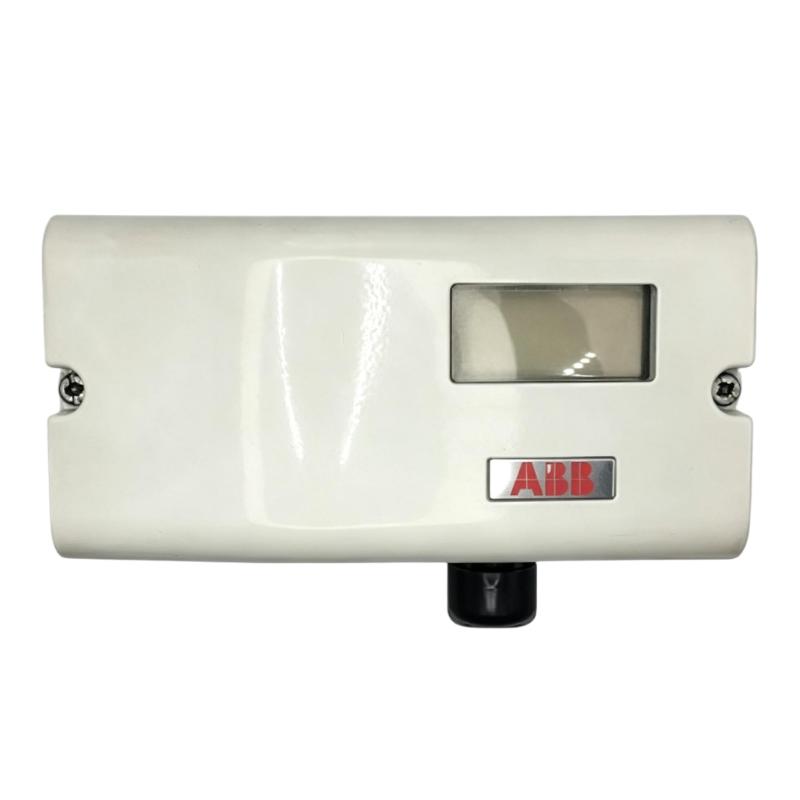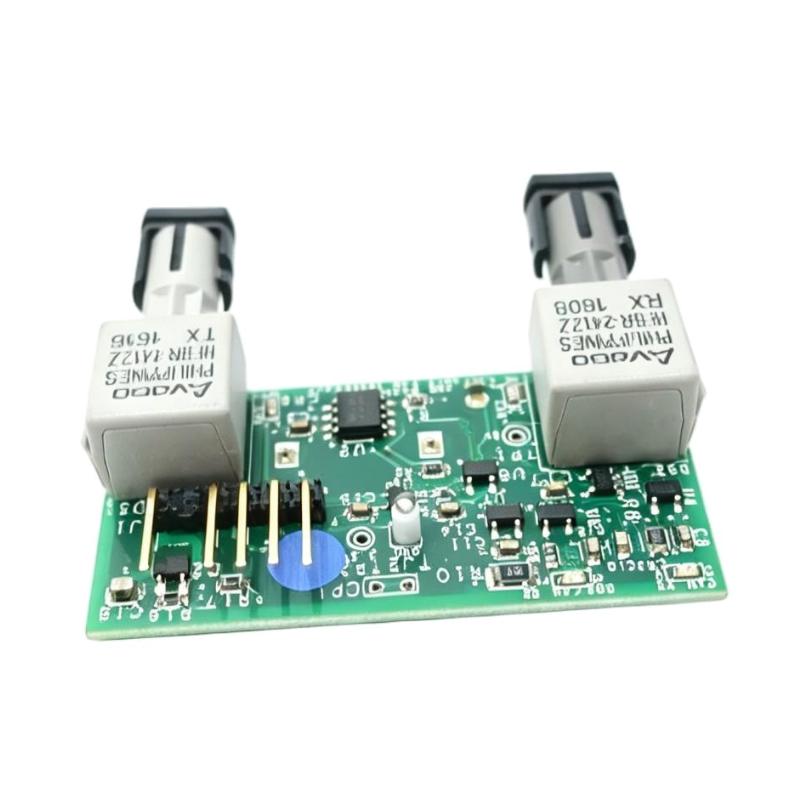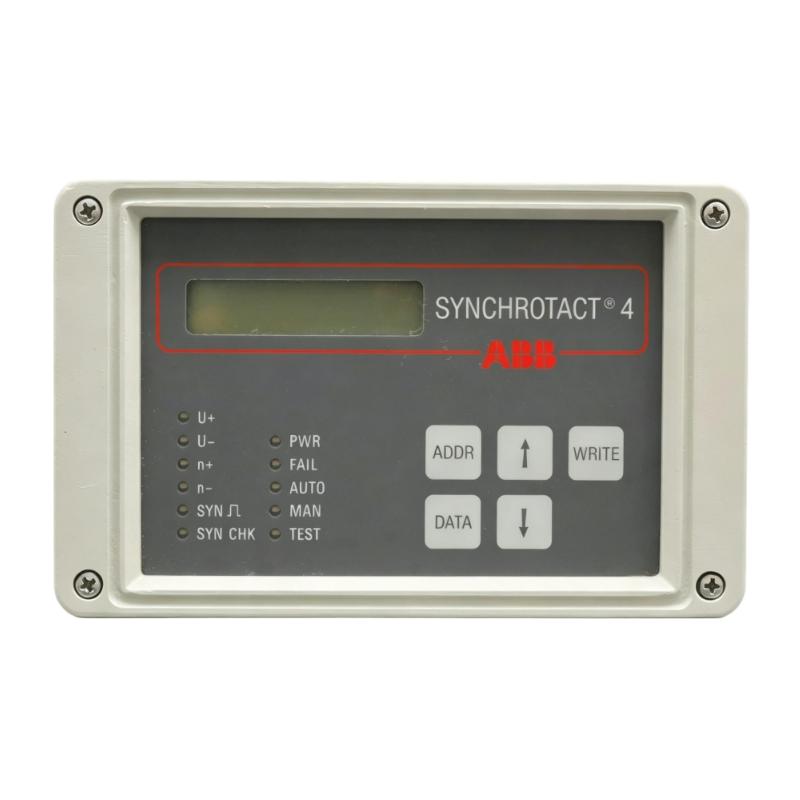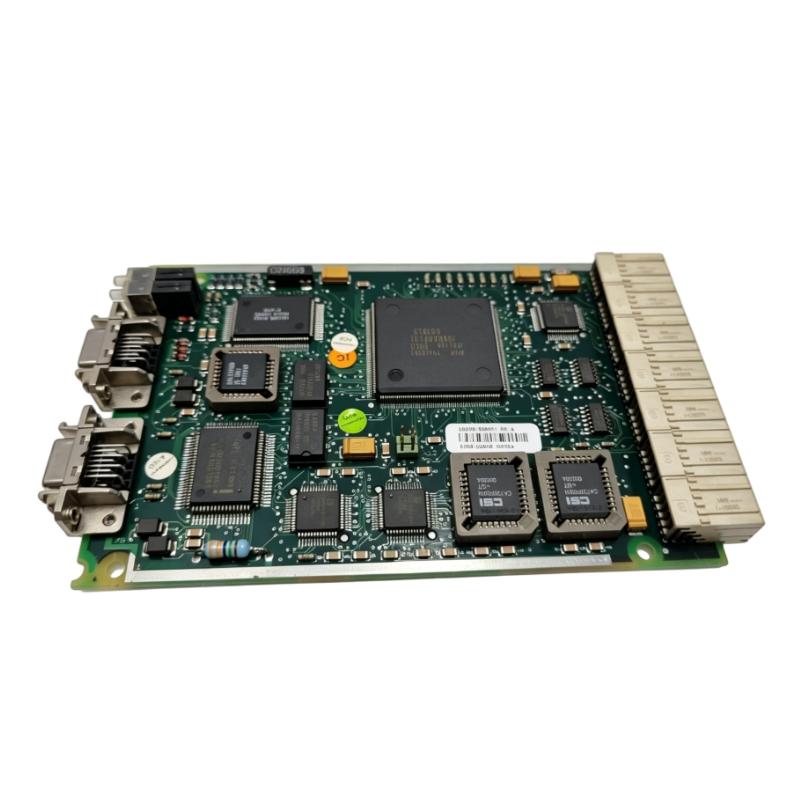
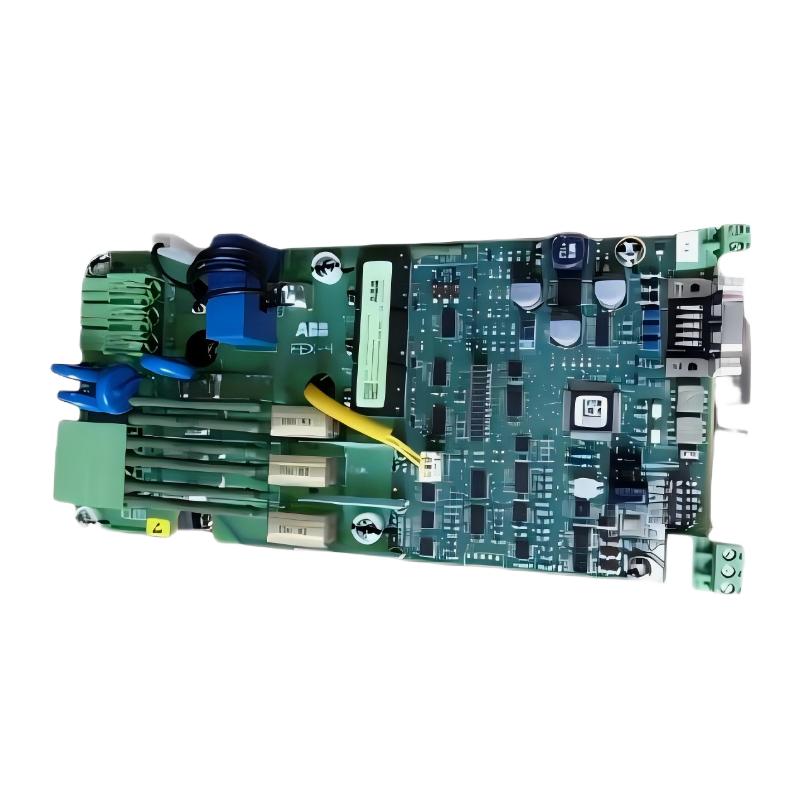
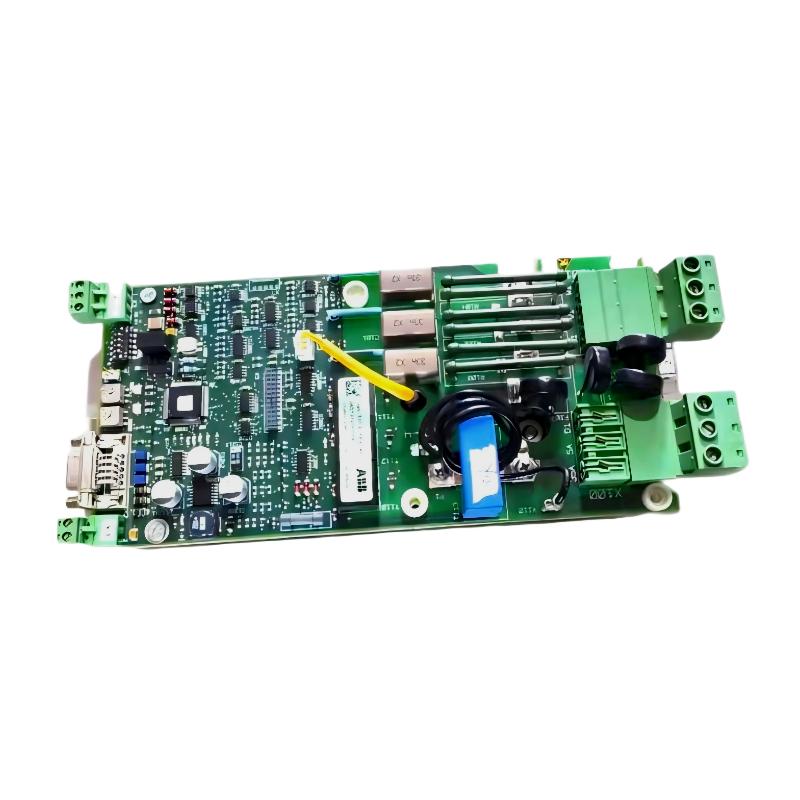
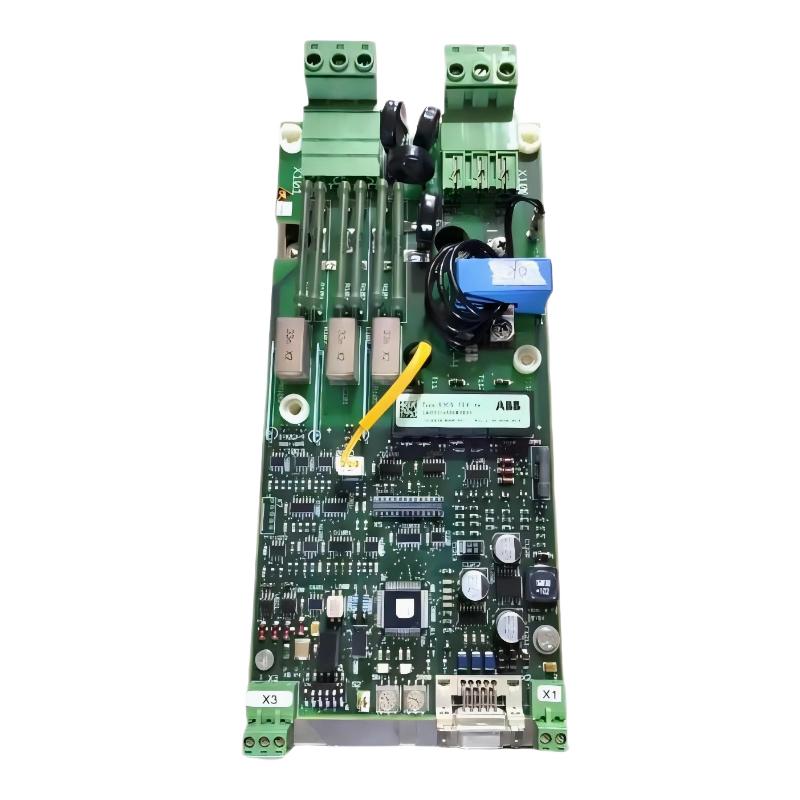
ABB SDCS-FEX-4A 3ADT314500R1501 DC Drive Field Excitation Module
| Company Information | ||||||||
| [email protected] | ||||||||
| Mobile | +8613666084105 | |||||||
| +8613666084105 | ||||||||
| 13666084105 | ||||||||
| Add to | Room 1004, No. 62 Xiangxiu Li, Siming District, Xiamen City, Fujian Province, China | |||||||
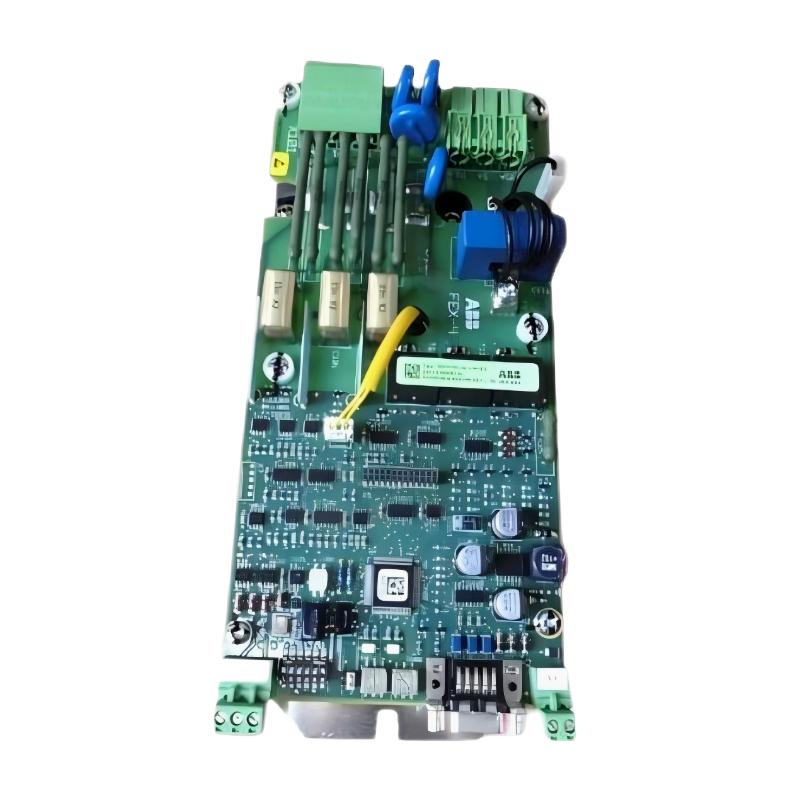 Technical Specifications
| Parameter | Specification |
|---|---|
| Product Type | DC Drive Field Excitation Module |
| Model | SDCS-FEX-4A |
| Order Number | 3ADT314500R1501 |
| Product Series | SDCS DC Drive System |
| Primary Function | Provides regulated field excitation current for DC motor field winding to ensure stable torque and speed control |
| Compatible Systems | ABB SDCS DC Drive Systems |
| Control Method | Digital field excitation regulation |
| Signal Processing | High-speed digital control processing for precise excitation adjustment and fast dynamic response |
| Communication Interface | High-speed communication link with drive control unit |
| Installation Method | Modular mounting inside industrial control cabinet |
| Operating Environment | Industrial automation and process control applications |
| Cooling Method | Natural convection cooling |
| Dimensions | 255 × 120 × 15 mm |
| Weight | 0.66 kg |
FAQ
1. What is the core function of the field excitation module in a DC drive system?
The field excitation module is responsible for supplying and precisely regulating the excitation current required by the field winding of a DC motor. This controlled excitation determines the strength of the magnetic field, which directly influences motor torque production and speed regulation characteristics. In operation, the module continuously adjusts excitation current according to commands from the drive controller, ensuring that the motor maintains stable performance during startup, acceleration, steady-state operation, and load fluctuations. By maintaining an optimal magnetic field, the system achieves higher efficiency, smoother torque output, improved speed accuracy, and reduced mechanical stress on the motor and connected mechanical components. This makes the excitation module a critical component in achieving reliable and precise industrial drive performance.
2. How should excitation system faults be systematically diagnosed?
Fault diagnosis should follow a structured electrical and control-based approach. First, verify that the incoming power supply is stable, within tolerance, and free from voltage dips or electrical noise. Next, inspect all field circuit wiring, including terminals, connectors, and protective components, to ensure there are no loose connections, corrosion, overheating marks, or insulation degradation. After confirming the physical circuit integrity, the communication link between the drive controller and excitation module should be evaluated to ensure that control signals and feedback data are being exchanged correctly. Diagnostic logs, fault codes, and historical alarms should be analyzed to identify whether the issue is related to parameter drift, external electrical interference, or hardware malfunction. If all external factors are normal, internal circuit behavior and component-level diagnostics may be required to isolate deeper electronic faults.
3. Why is correct parameter configuration essential before commissioning?
Correct parameter configuration is essential because it defines how the excitation module responds to dynamic operating conditions. Parameters such as excitation current limits, response time constants, protection thresholds, and control modes must be carefully matched to the characteristics of the DC motor and the requirements of the application. If these parameters are incorrectly set, the system may experience unstable excitation current, poor speed regulation, excessive torque ripple, delayed response during load changes, or unnecessary protective shutdowns. In more severe cases, incorrect configuration can lead to inefficient operation or even system instability under transient conditions. Therefore, commissioning must include a complete parameter verification process followed by staged functional testing under no-load, partial-load, and full-load conditions to ensure stable and predictable system behavior.
4. What are the main causes of excessive heating during operation?
Excessive heating is typically caused by a combination of thermal, electrical, and operational factors. From a thermal perspective, inadequate ventilation, blocked airflow paths, or high ambient temperatures inside the control cabinet significantly reduce heat dissipation efficiency. From an electrical standpoint, loose terminals, aging connectors, or increased contact resistance can generate localized heat due to energy loss at connection points. Operationally, sustained high excitation demand or continuous operation under heavy load conditions increases internal power dissipation over time. Dust accumulation on internal surfaces or heat-sensitive areas further worsens thermal performance by acting as an insulating layer. If not addressed, prolonged overheating may accelerate component aging and reduce system reliability, making regular inspection of cooling conditions, electrical connections, and load profiles essential for stable operation.
5. How can long-term operational stability of the excitation system be ensured?
Long-term stability depends on maintaining both electrical integrity and environmental control. A stable and clean power supply is fundamental, as fluctuations or harmonics can directly affect excitation precision. Proper grounding and shielding practices are essential to reduce electromagnetic interference that could distort control signals. Routine maintenance should include inspection of wiring integrity, connector tightness, insulation condition, and communication quality. Additionally, continuous monitoring of operating data such as excitation current trends, fault history, and system response behavior helps identify early signs of degradation. Environmental factors such as temperature, humidity, and dust levels should also be controlled within recommended limits. When combined, these measures ensure consistent excitation performance, reduce unexpected failures, and significantly extend system operational lifespan.
6. Is full system recommissioning required after replacing the module?
Yes, full recommissioning is strongly recommended after replacing the excitation module. Even when the replacement unit is identical, variations in installation conditions, wiring stress, or parameter storage can affect system behavior. After installation, it is necessary to confirm that all electrical connections are secure and that the module communicates properly with the drive controller. Parameter sets must be verified to ensure consistency with the original configuration. The system should then be tested in stages, starting with no-load operation, followed by incremental loading to observe excitation stability, control responsiveness, and system diagnostics. This process ensures that the replacement module integrates correctly into the existing system and operates safely under real production conditions.
7. What impact does communication failure have on DC drive operation?
Communication failure disrupts the real-time exchange of control commands and feedback data between the drive controller and the excitation module. When this link is interrupted or unstable, the controller cannot accurately regulate excitation current, which leads to degraded motor performance. Common symptoms include unstable speed control, reduced torque accuracy, delayed system response, and increased mechanical vibration. In severe cases, the drive system may enter a protective shutdown mode to prevent equipment damage or unsafe operation. Diagnosing communication issues requires checking signal wiring, connectors, shielding effectiveness, grounding quality, controller configuration, and diagnostic event logs. Ensuring robust and noise-resistant communication is essential for maintaining closed-loop control stability.
8. What maintenance practices are most important for ensuring long-term reliability?
Long-term reliability relies heavily on disciplined preventive maintenance and environmental management. Electrical connections should be periodically inspected to ensure tightness and to prevent oxidation or thermal degradation at contact points. The control cabinet should be kept clean and well-ventilated to avoid dust accumulation that can impact both electrical insulation and heat dissipation. Engineers should regularly review system diagnostics, alarm histories, and operational trends to detect early warning signs of abnormal behavior. Communication lines should also be tested periodically to ensure signal integrity and noise immunity. In addition, maintaining stable environmental conditions—especially temperature and humidity—helps prevent premature aging of electronic components. When these practices are consistently applied, the system achieves higher availability, improved operational efficiency, and significantly reduced risk of unexpected downtime over its service life.
ABB SDCS-FEX-4A 3ADT314500R1501 DC Drive Field Excitation Module is in stock. Please contact us for a quick quote and competitive pricing.
| Company Information | ||||||||
| [email protected] | ||||||||
| Mobile | +8613666084105 | |||||||
| +8613666084105 | ||||||||
| 13666084105 | ||||||||
| Add to | Room 1004, No. 62 Xiangxiu Li, Siming District, Xiamen City, Fujian Province, China | |||||||
Company Introduction
Xiamen Shengruite Trading Co., Ltd. is a company specializing in the supply of industrial PLC spare parts.
We provide high-quality PLC spare parts to customers in the global manufacturing, energy and power, chemical and other fields.
Since its establishment in 2011, after 13 years of rapid development, the cumulative global shipments have reached 223,650 pieces, with an annual output value of US$50 million.
Successfully served more than 500 customers in more than 100 countries and regions including Saudi Arabia, UAE, the United States, Europe, Africa, and Southeast Asia
Our Mission
Provide customers with the best quality PLC spare parts and the fastest delivery service to ensure that their industrial automation systems are always in the best operating condition.
We provide a 1-year warranty service, and we support returns and exchanges for any issues to ensure your rights and interests are fully protected.
We can provide detailed product images upon request, and our team can arrange warehouse photos for confirmation to ensure you have all the information you need before making a purchase.
Shipping times vary depending on your location. With the support of our 16 global warehouses, we strive to deliver orders as quickly as possible. Contact us to get an estimated delivery time for your specific location.
The minimum order quantity (MOQ) is typically one unit. However, for larger orders, please contact us for potential discounts and pricing details.
Yes, we offer competitive pricing for bulk purchases. Please reach out to our sales team with the specifics of your order to receive a custom quote.
We accept various payment methods for wholesale orders, including bank transfers (T/T), letters of credit, and other options upon agreement. For large transactions, please contact us directly for payment terms.
Yes, we offer flexible ordering options for both small and large quantities. Whether youre looking for a single unit or a large batch, we can accommodate your needs.
We occasionally offer promotional discounts for new wholesale customers. Contact us to learn more about any current offers available for first-time buyers.
If you are unsure of compatibility with your existing setup please provide your system details and our support team can verify compatibility prior to purchase.
Returns are accepted within 30 days if the product is unused, unopened, and in its original packaging. Please note that return shipping and associated costs are the buyer\\\\\\\\\\\\\\\\\\\\\\\\\\\\\\\\\\\\\\\\\\\\\\\\\\\\\\\\\\\\\\\\\\\\\\\\\\\\\\\\\\\\\\\\\\\\\\\\\\\\\\\\\\\\\\\\\\\\\\\\\\\\\\\\\\\\\\\\\\\\\\\\\\\\\\\\\\\\\\\\\\\\\\\\\\\\\\\\\\\\\\\\\\\\\\\\\\\\\\\\\\\\\\\\\\\\\\\\\\\\\\\\\\\\\\\\\\\\\\\\\\\\\\\\\\\\\\\\\\\\\\\\\\\\\\\\\\\\\\\\\\\\\\\\\\\\\\\\\\\\\\\\\\\\\\\\\\\\\\\\\\\\\\\\\\\\\\\\\\\\\\\\\\\\\\\\\\\\\\\\\\\\\\\\\\\\\\\\\\\\\\\\\\\\\\\\\\\\\\\\\\\\\\\\\\\\\\\\\\\\\\\\\\\\\\\\\\\\\\\\\\\\\\\\\\\\\\\\\\\\\\\\\\\\\\\\\\\\\\\\\\\\\\\\\\\\\\\\\\\\\\\\\\\\\\\\\\\\\\\\\\\\\\\\\\\\\\\\\\\\\\\\\\\\\\\\\\\\\\\\\\\\\\\\\\\\\\\\\\\\\\\\\\\\\\\\\\\\\\\\\\\\\\\\\\\\\\\\\\\\\\\\\\\\\\\\\\\\\\\\\\\\\\\\\\\\\\\\\\\\\\\\\\\\\\\\\\\\\\\\\\\\\\\\\\\\\\\\\\\\\\\\\\\\\\\\\\\\\\\\\\\\\\\\\\\\\\\\\\\\\\\\\\\\\\\\\\\\\\\\\\\\\\\\\\\\\\\\\\\\\\\\\\\\\\\\\\\\\\\\\\\\\\\\\\\\\\\\\\\\\\\\\\\\\\\\\\\\\\\\\\\\\\\\\\\\\\\\\\\\\\\\\\\\\\\\\\\\\\\\\\\\\\\\\\\\\\\\\\\\\\\\\\\\\\\\\\\\\\\\\\\\\\\\\\\\\\\\\\\\\\\\\\\\\\\\\\\\\\\\\\\\\\\\\\\\\\\\\\\\\\\\\\\\\\\\\\\\\\\\\\\\\\\\\\\\\\\\\\\\\\\\\\\\\\\\\\\\\\\\\\\\\\\\\\\\\\\\\\\\\\\\\\\\\\\\\\\\\\\\\\\\\\\\\\\\\\\\\\\\\\\\\\\\\\\\\\\\\\\\\\\\\\\\\\\\\\\\\\\\\\\\\\\\\\\\\\\\\\\\\\\\\\\\\\\\\\\\\\\\\\\\\\\\\\\\\\\\\\\\\\\\\\\\\\\\\\\\\\\\\\\\\\\\\\\\\\\\\\\\\\\\\\\\\\\\\\\\\\\\\\\\\\\\\\\\\\\\\\\\\\\\\\\\\\\\\\\\\\\\\\\\\\\\\\\\\\\\\\\\\\\\\\\\\\\\\\\\\\\\\\\\\\\\\\\\\\\\\\\\\\\\\\\\\\\\\\\\\\\\\\\\\\\\\\\\\\\\\\\\\\\\\\\\\\\\\\\\\\\\\\\\\\\\\\\\\\\\\\\\\\\\\\\\\\\\\\\\\\\\\\\\\\\\\\\\\\\\\\\\\\\\\\\\\\\\\\\\\\\\\\\\\\\\\\\\\\\\\\\\\\\\\\\\\\\\\\\\\\\\\\\\\\\\\\\\\\\\\\\\\\\\\\\\\\\\\\\\\\\\\\\\\\\\\\\\\\\\\\\\\\\\\\\\\\\\\\\\\\\\\\\\\\\\\\\\\\\\\\\\\\\\\\\\\\\\\\\\\\\\\\\\\\\\\\\\\\\\\\\\\\\\\\\\\\\\\\\\\\\\\\\\\\\\\\\\\\\\\\\\\\\\\\\\\\\\\\\\\\\\\\\\\\\\\\\\\\\\\\\\\\\\\\\\\\\\\\\\\\\\\\\\\\\\\\\\\\\\\\\\\\\\\\\\\\\\\\\\\\\\\\\\\\\\\\\\\\\\\\\\\\\\\\\\\\\\\\\\\\\\\\\\\\\\\\\\\\\\\\\\\\\\\\\\\\\\\\\\\\\\\\\\\\\\\\\\\\\\\\\\\\\\\\\\\\\\\\\\\\\\\\\\\\\\\\\\\\\\\\\\\\\\\\\\\\\\\\\\\\\\\\\\\\\\\\\\\\\\\\\\\\\\\\\\\\\\\\\\\\\\\\\\\\\\\\\\\\\\\\\\\\\\\\\’s responsibility.
Yes, we offer technical support for the installation and integration of our products. Our team can assist with setup, configuration, and troubleshooting to ensure a smooth installation.