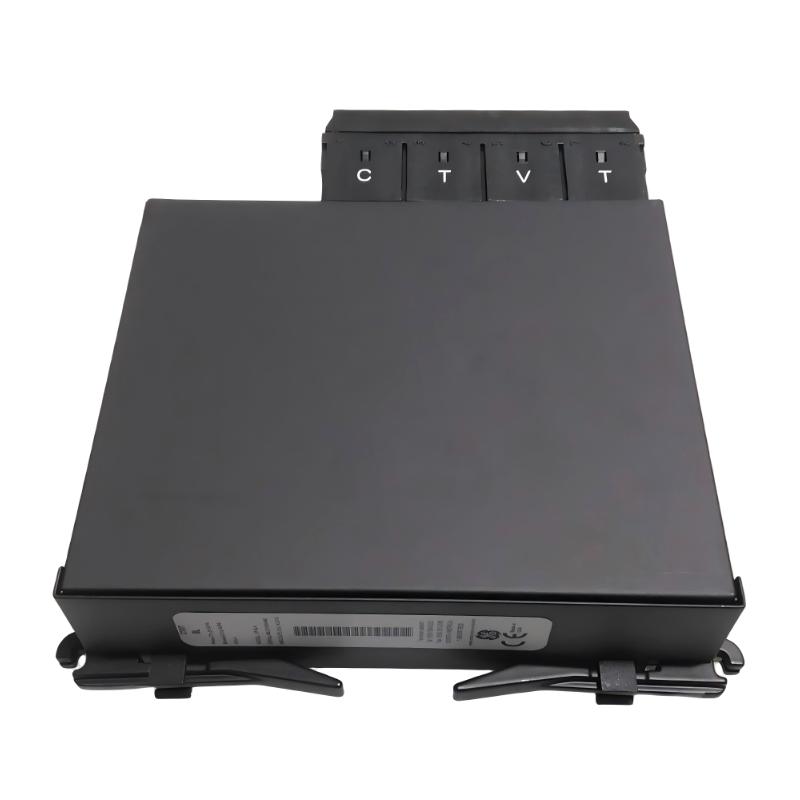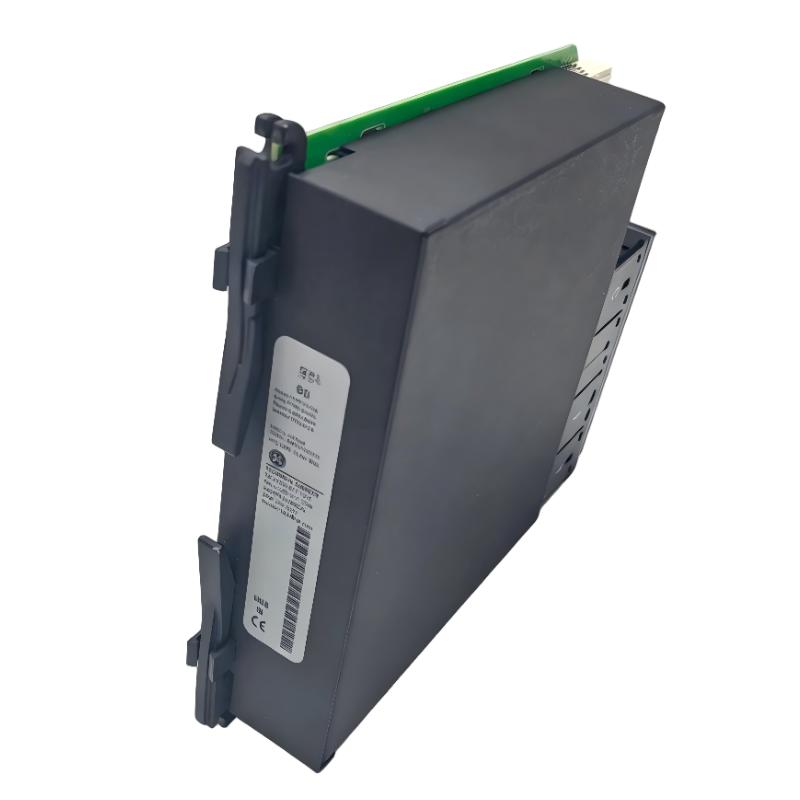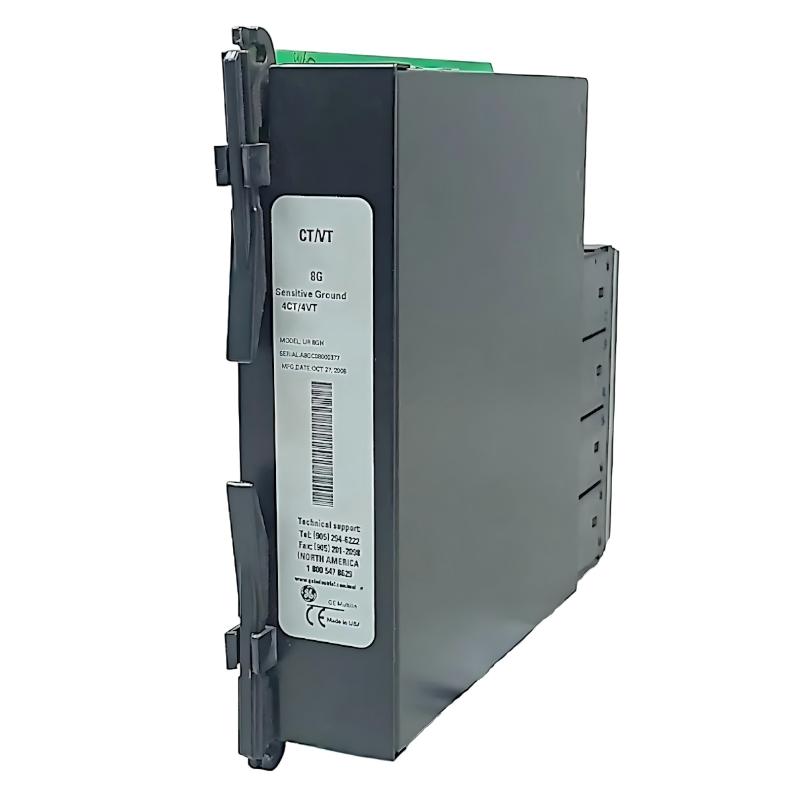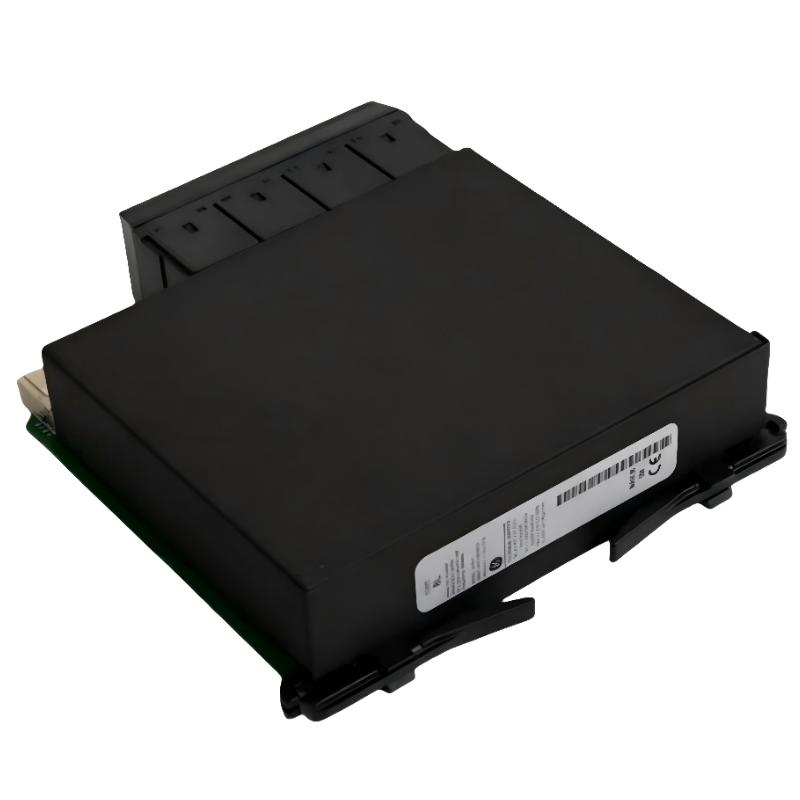
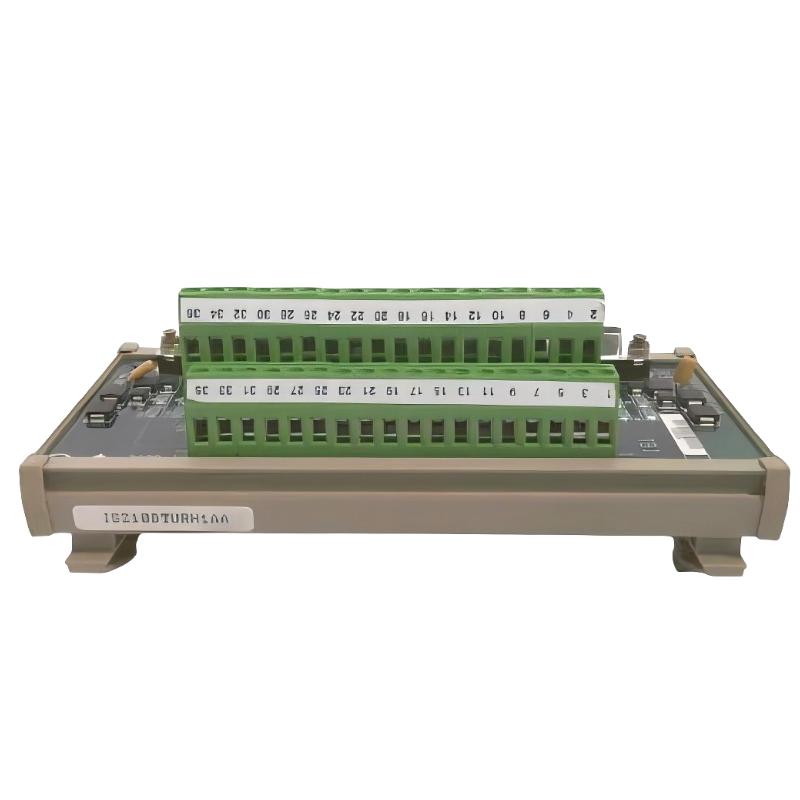
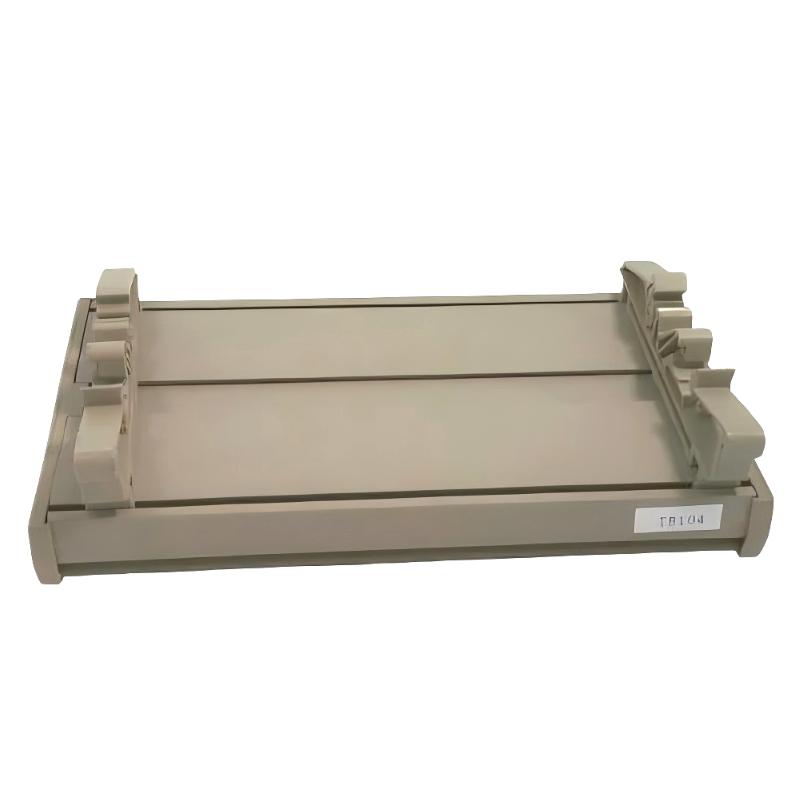
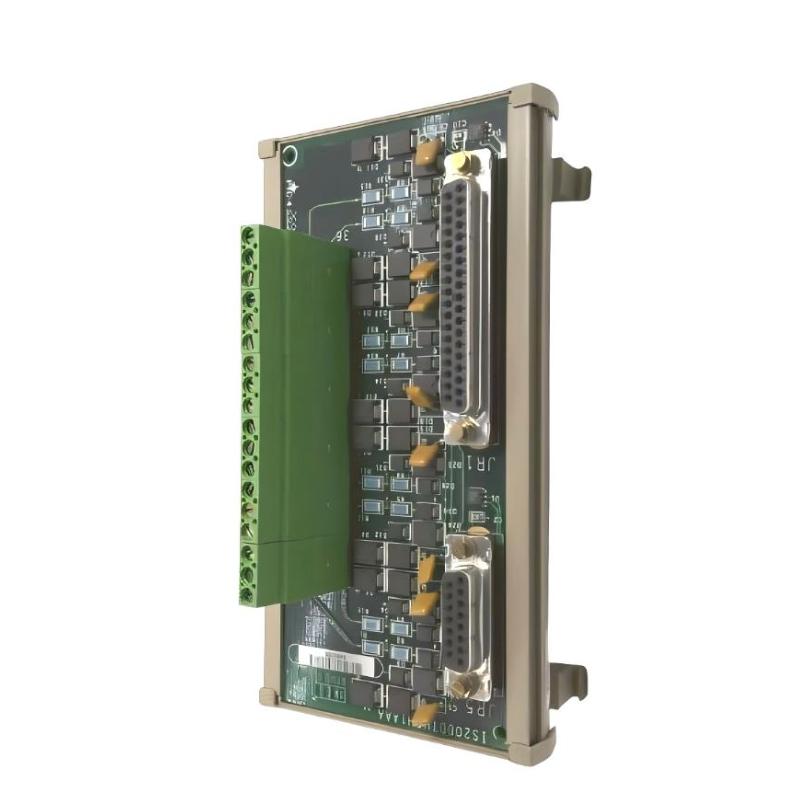
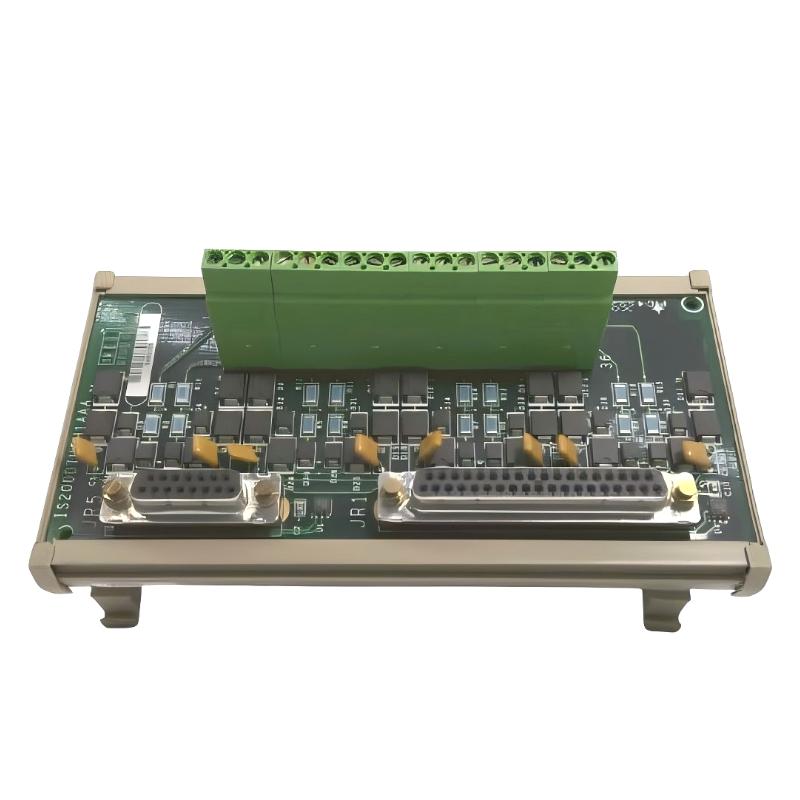
GE IS210DTURH1A IS200DTURH1A Trip Relay Terminal Block
| Company Information | ||||||||
| [email protected] | ||||||||
| Mobile | +8613666084105 | |||||||
| +8613666084105 | ||||||||
| 13666084105 | ||||||||
| Add to | Room 1004, No. 62 Xiangxiu Li, Siming District, Xiamen City, Fujian Province, China | |||||||
 Technical Specifications
| Parameter | Specification |
|---|---|
| Manufacturer | GE (General Electric) |
| Model | IS210DTURH1A IS200DTURH1A |
| Product Series | Mark VI |
| Product Type | Trip Relay Terminal Block |
| Functional Acronym | DTUR |
| Main Function | Trip relay and turbine speed signal interface |
| System Application | GE Mark VI turbine control system |
| Architecture | Simplex |
| Primary Function | Interface between turbine trip-related circuits and the control system |
| Speed Inputs | 4 pulse-rate inputs |
| Sensor Type | Passive magnetic speed pickups |
| Pulse Frequency Range | 2–14 kHz |
| Speed Signal Function | Turbine speed and pulse-rate monitoring |
| Terminal Interface | Field wiring termination for turbine control and trip-related signals |
| Processor Interface | VTUR processor board |
| Processor Connection | 37-pin and 15-pin cable interfaces |
| Terminal Block | Multi-point screw terminal interface |
| Signal Conditioning | Integrated pulse-rate signal conditioning |
| Filtering | AC filtering for pulse-rate signals |
| Magnetic Pickup Connections | Supports four magnetic pickup inputs |
| Typical Sensors | Passive magnetic speed sensors |
| Mounting | DIN rail mounting |
| Installation | Suitable for compact vertical DIN rail installation |
| PCB Protection | Conformal coating |
| Board Identification | DTUR functional designation |
| Typical Application | Turbine speed monitoring, trip logic, and protection-related signal interfacing |
| Signal Type | Pulse-rate and turbine protection-related signals |
| System Integration | Interfaces field turbine signals with the VTUR control hardware |
| Maintenance | Board-level replacement and terminal wiring inspection |
| Dimensions | 240 × 165 × 32 mm |
| Weight | 0.62 kg |
FAQ
1. What is the main function of the GE IS210DTURH1A and IS200DTURH1A?
The IS210DTURH1A and IS200DTURH1A are GE Mark VI DTUR terminal boards used for turbine speed and trip-related signal interfacing. The board provides the field connection point for pulse-rate signals generated by passive magnetic speed pickups and transfers the conditioned signals to the associated VTUR processor hardware. The DTUR board is designed to work as part of the turbine control and protection architecture rather than as an independent controller. It plays an important role in acquiring turbine speed information, conditioning pulse signals, and providing the processor with the input information required for speed monitoring and related protection functions.
2. How many speed inputs does the DTUR terminal board provide?
The DTUR board provides four pulse-rate inputs for passive magnetic speed sensors. These inputs are commonly used to monitor turbine shaft speed through magnetic pickups installed near toothed wheels or other suitable rotating targets. Each pickup produces electrical pulses as the rotating target passes the sensor, and the DTUR interface conditions these signals before they are processed by the VTUR hardware. Correct sensor wiring and signal polarity are important for reliable speed detection. If one speed channel is abnormal, the corresponding magnetic pickup, wiring, terminal connection, and input circuit should be checked individually.
3. What type of speed sensors can be connected to the IS210DTURH1A?
The DTUR terminal board is designed primarily for passive magnetic speed pickups. These sensors generate pulse signals as the turbine shaft or associated toothed wheel rotates. The resulting frequency changes with rotational speed, allowing the Mark VI system to calculate and monitor turbine speed. The DTUR board provides the appropriate interface and signal-conditioning path between these field sensors and the VTUR processor. When replacing a speed sensor, technicians should verify that the sensor type, installation position, air gap, wiring, and electrical characteristics are compatible with the existing Mark VI configuration. An incorrectly installed pickup can result in weak, unstable, or missing speed pulses.
4. What is the operating frequency range of the DTUR speed inputs?
The DTUR pulse-rate inputs are designed for a frequency range of approximately 2–14 kHz. This allows the board to process the pulse signals generated by turbine speed pickups across the applicable operating range. The actual frequency produced by a magnetic pickup depends on turbine rotational speed and the number of teeth or magnetic targets passing the sensor. When troubleshooting a speed signal, measuring the actual pulse frequency can help determine whether the problem originates from the sensor, mechanical target, wiring, or DTUR input. A signal outside the expected range should be investigated together with the turbine configuration and sensor arrangement rather than being attributed to the terminal board immediately.
5. What are the common causes of a missing turbine speed signal?
A missing speed signal can result from a failed magnetic pickup, excessive or incorrect sensor air gap, damaged wiring, loose terminal connections, incorrect sensor installation, or a problem in the DTUR input circuit. Mechanical issues involving the toothed wheel or rotating target can also prevent the sensor from generating a reliable pulse signal. Troubleshooting should begin at the field sensor by confirming that the pickup is correctly installed and capable of generating an appropriate pulse signal during shaft rotation. The wiring should then be checked back to the DTUR terminal board. If the signal is present at the board but is not correctly detected by the control system, the DTUR interface, processor cable, and VTUR processor should be investigated.
6. How does the IS210DTURH1A connect to the VTUR processor?
The DTUR terminal board interfaces with the associated VTUR processor through dedicated cable connections, including 37-pin and 15-pin interfaces depending on the system configuration. The field pulse signals enter the DTUR terminal board, pass through the board’s signal-conditioning circuitry, and are then transferred to the processor for speed monitoring and control logic. During maintenance, these connectors should be inspected carefully for proper seating, locking, contamination, and physical damage. A poor cable connection can affect one or multiple speed channels and may produce symptoms that resemble a failed magnetic pickup. Therefore, the complete signal path should be checked before replacing the terminal board.
7. What should be checked if the turbine speed signal is unstable?
An unstable turbine speed signal should first be investigated at the field sensor and mechanical target. Check the magnetic pickup installation, sensor-to-target air gap, sensor condition, and the physical condition of the toothed wheel or target surface. Next, inspect the shielded twisted-pair wiring, terminal connections, grounding, and cable routing. Electrical interference can introduce noise into low-level pulse signals, particularly when signal wiring is routed near high-power equipment. The DTUR board’s input connections and signal-conditioning path should then be checked. If several speed channels become unstable simultaneously, common wiring, grounding, processor connections, or the VTUR interface should be investigated rather than assuming that multiple sensors have failed at the same time.
8. What precautions should be taken when replacing an IS210DTURH1A or IS200DTURH1A?
Before replacing the DTUR terminal board, verify the complete IS210DTURH1A or IS200DTURH1A model and confirm compatibility with the existing GE Mark VI turbine control configuration. The turbine control and protection system should be placed in the appropriate maintenance condition, with all required electrical safety and isolation procedures completed. Before disconnecting the original board, clearly identify the four magnetic pickup circuits, associated terminal connections, processor cables, and grounding connections. After installation, verify that every field wire is connected to the correct terminal and that the 37-pin and 15-pin interfaces are fully seated and secured. The magnetic pickup signals should then be checked individually, and the VTUR processor should be monitored for diagnostic alarms or abnormal speed readings. Because speed inputs can be directly associated with turbine protection functions, functional verification should be completed before the turbine is returned to normal operation.
GE IS210DTURH1A IS200DTURH1A Trip Relay Terminal Block is in stock. Please contact us for a quick quote and competitive pricing.
| Company Information | ||||||||
| [email protected] | ||||||||
| Mobile | +8613666084105 | |||||||
| +8613666084105 | ||||||||
| 13666084105 | ||||||||
| Add to | Room 1004, No. 62 Xiangxiu Li, Siming District, Xiamen City, Fujian Province, China | |||||||
Company Introduction
Xiamen Shengruite Trading Co., Ltd. is a company specializing in the supply of industrial PLC spare parts.
We provide high-quality PLC spare parts to customers in the global manufacturing, energy and power, chemical and other fields.
Since its establishment in 2011, after 13 years of rapid development, the cumulative global shipments have reached 223,650 pieces, with an annual output value of US$50 million.
Successfully served more than 500 customers in more than 100 countries and regions including Saudi Arabia, UAE, the United States, Europe, Africa, and Southeast Asia
Our Mission
Provide customers with the best quality PLC spare parts and the fastest delivery service to ensure that their industrial automation systems are always in the best operating condition.
We provide a 1-year warranty service, and we support returns and exchanges for any issues to ensure your rights and interests are fully protected.
We can provide detailed product images upon request, and our team can arrange warehouse photos for confirmation to ensure you have all the information you need before making a purchase.
Shipping times vary depending on your location. With the support of our 16 global warehouses, we strive to deliver orders as quickly as possible. Contact us to get an estimated delivery time for your specific location.
The minimum order quantity (MOQ) is typically one unit. However, for larger orders, please contact us for potential discounts and pricing details.
Yes, we offer competitive pricing for bulk purchases. Please reach out to our sales team with the specifics of your order to receive a custom quote.
We accept various payment methods for wholesale orders, including bank transfers (T/T), letters of credit, and other options upon agreement. For large transactions, please contact us directly for payment terms.
Yes, we offer flexible ordering options for both small and large quantities. Whether youre looking for a single unit or a large batch, we can accommodate your needs.
We occasionally offer promotional discounts for new wholesale customers. Contact us to learn more about any current offers available for first-time buyers.
If you are unsure of compatibility with your existing setup please provide your system details and our support team can verify compatibility prior to purchase.
Returns are accepted within 30 days if the product is unused, unopened, and in its original packaging. Please note that return shipping and associated costs are the buyer\\\\\\\\\\\\\\\\\\\\\\\\\\\\\\\\\\\\\\\\\\\\\\\\\\\\\\\\\\\\\\\\\\\\\\\\\\\\\\\\\\\\\\\\\\\\\\\\\\\\\\\\\\\\\\\\\\\\\\\\\\\\\\\\\\\\\\\\\\\\\\\\\\\\\\\\\\\\\\\\\\\\\\\\\\\\\\\\\\\\\\\\\\\\\\\\\\\\\\\\\\\\\\\\\\\\\\\\\\\\\\\\\\\\\\\\\\\\\\\\\\\\\\\\\\\\\\\\\\\\\\\\\\\\\\\\\\\\\\\\\\\\\\\\\\\\\\\\\\\\\\\\\\\\\\\\\\\\\\\\\\\\\\\\\\\\\\\\\\\\\\\\\\\\\\\\\\\\\\\\\\\\\\\\\\\\\\\\\\\\\\\\\\\\\\\\\\\\\\\\\\\\\\\\\\\\\\\\\\\\\\\\\\\\\\\\\\\\\\\\\\\\\\\\\\\\\\\\\\\\\\\\\\\\\\\\\\\\\\\\\\\\\\\\\\\\\\\\\\\\\\\\\\\\\\\\\\\\\\\\\\\\\\\\\\\\\\\\\\\\\\\\\\\\\\\\\\\\\\\\\\\\\\\\\\\\\\\\\\\\\\\\\\\\\\\\\\\\\\\\\\\\\\\\\\\\\\\\\\\\\\\\\\\\\\\\\\\\\\\\\\\\\\\\\\\\\\\\\\\\\\\\\\\\\\\\\\\\\\\\\\\\\\\\\\\\\\\\\\\\\\\\\\\\\\\\\\\\\\\\\\\\\\\\\\\\\\\\\\\\\\\\\\\\\\\\\\\\\\\\\\\\\\\\\\\\\\\\\\\\\\\\\\\\\\\\\\\\\\\\\\\\\\\\\\\\\\\\\\\\\\\\\\\\\\\\\\\\\\\\\\\\\\\\\\\\\\\\\\\\\\\\\\\\\\\\\\\\\\\\\\\\\\\\\\\\\\\\\\\\\\\\\\\\\\\\\\\\\\\\\\\\\\\\\\\\\\\\\\\\\\\\\\\\\\\\\\\\\\\\\\\\\\\\\\\\\\\\\\\\\\\\\\\\\\\\\\\\\\\\\\\\\\\\\\\\\\\\\\\\\\\\\\\\\\\\\\\\\\\\\\\\\\\\\\\\\\\\\\\\\\\\\\\\\\\\\\\\\\\\\\\\\\\\\\\\\\\\\\\\\\\\\\\\\\\\\\\\\\\\\\\\\\\\\\\\\\\\\\\\\\\\\\\\\\\\\\\\\\\\\\\\\\\\\\\\\\\\\\\\\\\\\\\\\\\\\\\\\\\\\\\\\\\\\\\\\\\\\\\\\\\\\\\\\\\\\\\\\\\\\\\\\\\\\\\\\\\\\\\\\\\\\\\\\\\\\\\\\\\\\\\\\\\\\\\\\\\\\\\\\\\\\\\\\\\\\\\\\\\\\\\\\\\\\\\\\\\\\\\\\\\\\\\\\\\\\\\\\\\\\\\\\\\\\\\\\\\\\\\\\\\\\\\\\\\\\\\\\\\\\\\\\\\\\\\\\\\\\\\\\\\\\\\\\\\\\\\\\\\\\\\\\\\\\\\\\\\\\\\\\\\\\\\\\\\\\\\\\\\\\\\\\\\\\\\\\\\\\\\\\\\\\\\\\\\\\\\\\\\\\\\\\\\\\\\\\\\\\\\\\\\\\\\\\\\\\\\\\\\\\\\\\\\\\\\\\\\\\\\\\\\\\\\\\\\\\\\\\\\\\\\\\\\\\\\\\\\\\\\\\\\\\\\\\\\\\\\\\\\\\\\\\\\\\\\\\\\\\\\\\\\\\\\\\\\\\\\\\\\\\\\\\\\\\\\\\\\\\\\\\\\\\\\\\\\\\\\\\\\\\\\\\\\\\\\\\\\\\\\\\\\\\\\\\\\\\\\\\\\\\\\\\\\\\\\\\\\\\\\\\\\\\\\\\\\\\\\\\\\\\\\\\\\\\\\\\\\\\\\\\\\\\\\\\\\\\\\\\\\\\\\\\\\\\\\\\\\\\\\\\\\\\\\\\\\\\\\\\\\\\\\\\\\\\\\\\\\\\\\\\\\\\\\\\\\\\\\\\\\\\\\\\\\\\\\\\\\\\\\\\\\\\\\\\\\\\\\\\\\\\\\\\\\\\\\\\\\\\\\\\\\\\\\\\\\\\\\\\\\\\\\\\\\\\\\\\\\\\\\\\\\\\\\\\\\\\\\\\\\\\\\\\\\’s responsibility.
Yes, we offer technical support for the installation and integration of our products. Our team can assist with setup, configuration, and troubleshooting to ensure a smooth installation.