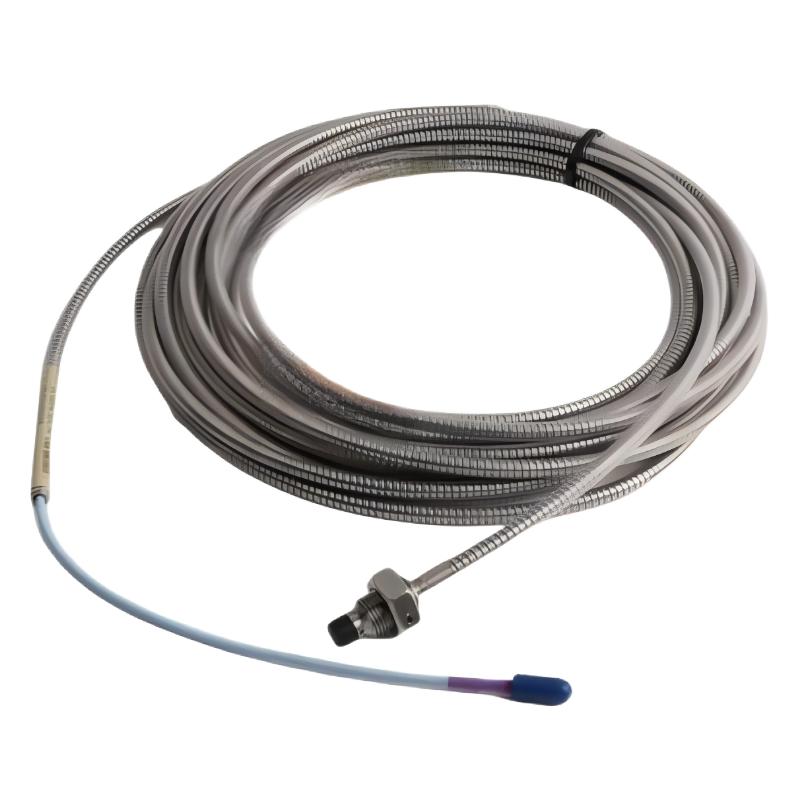
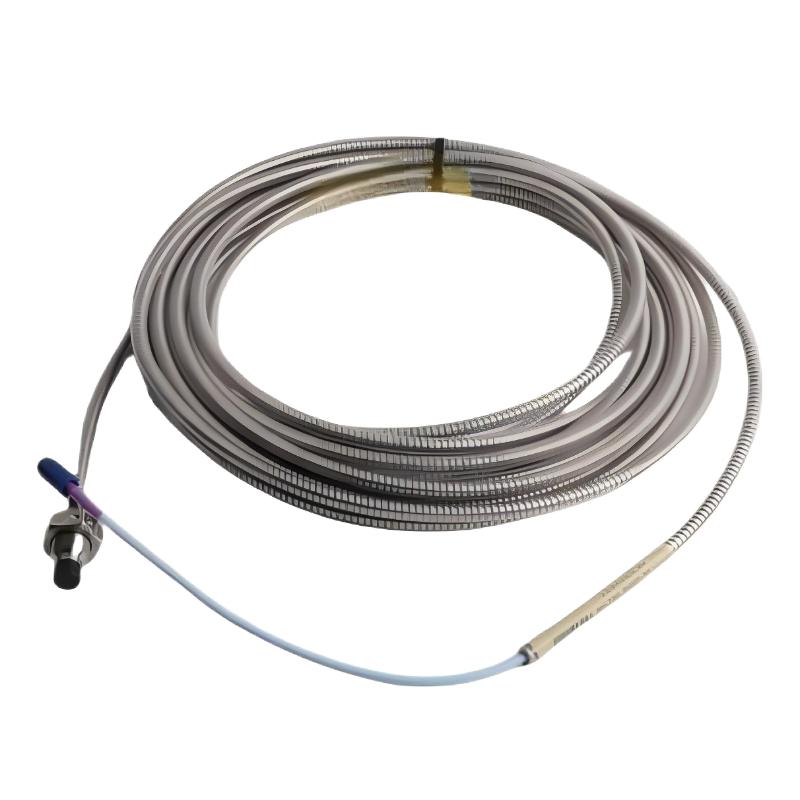
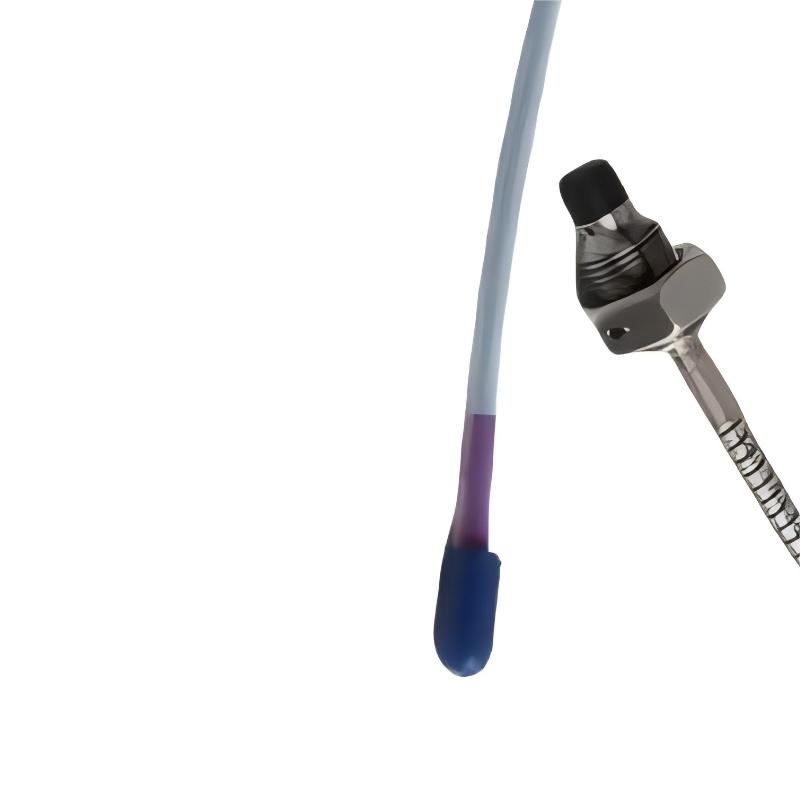
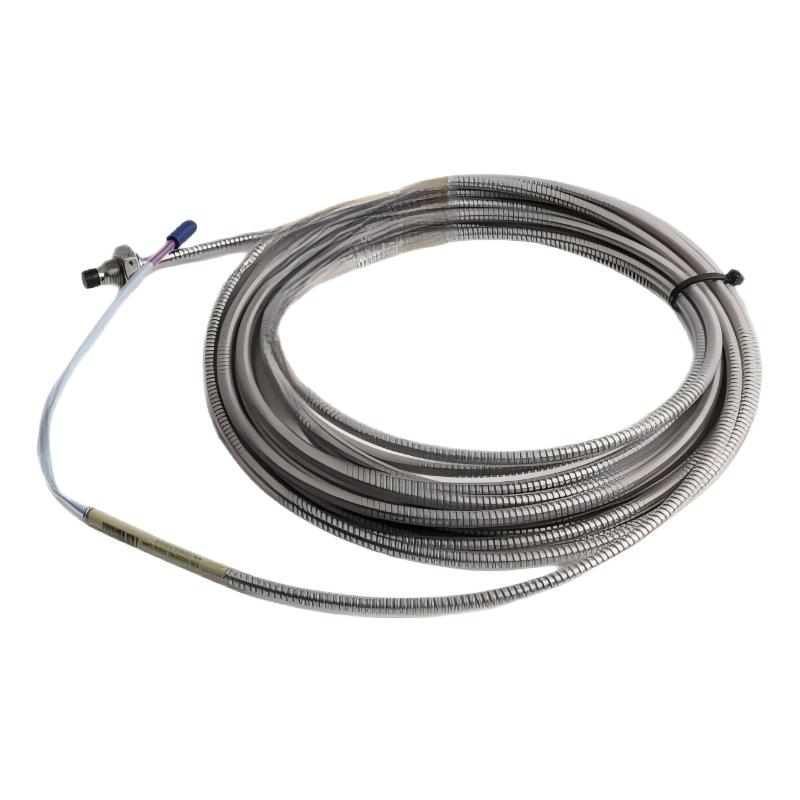
Bently Nevada 330708-00-10-90-02-00 3300 XL 11 mm Proximity Probe
| Company Information | ||||||||
| [email protected] | ||||||||
| Mobile | +8613666084105 | |||||||
| +8613666084105 | ||||||||
| 13666084105 | ||||||||
| Add to | Room 1004, No. 62 Xiangxiu Li, Siming District, Xiamen City, Fujian Province, China | |||||||
 Technical Specifications
| Parameter | Specification |
|---|---|
| Product Type | Proximity Probe |
| Series | Bently Nevada 3300 XL |
| Model | 330708-00-10-90-02-00 |
| Product Name | 3300 XL 11 mm Proximity Probe |
| Measurement Principle | Eddy current (non-contact displacement measurement) |
| Primary Function | Measures shaft displacement, vibration, and position in rotating machinery |
| Application | Turbines, compressors, pumps, generators, and critical rotating equipment |
| Output Signal | Linear voltage signal via probe–extension cable–proximitor system |
| System Compatibility | Bently Nevada 3300 XL monitoring system |
| Installation Method | Threaded mechanical mounting |
| Operating Environment | Industrial rotating machinery condition monitoring |
| Total Length | 9 meters |
| Probe Diameter | 11 mm |
| Weight | 1.29 kg |
FAQ
1. What is the main function of a proximity probe in rotating machinery monitoring?
A proximity probe is used to measure the relative distance between the probe tip and a conductive target surface, typically a rotating shaft. It operates using eddy current technology, where an electromagnetic field is generated at the probe tip and interacts with the metal surface of the shaft. Changes in this distance are converted into a proportional electrical signal. This signal is then processed by a proximitor module to determine shaft vibration, axial displacement, eccentricity, and overall dynamic behavior of the machine. In critical rotating equipment such as turbines and compressors, this measurement is essential for continuous condition monitoring and early fault detection, helping operators identify mechanical issues before they develop into serious failures.
2. Why is non-contact eddy current measurement widely used in industrial applications?
Non-contact eddy current measurement is widely used because it eliminates physical interaction between the sensor and the rotating shaft. In high-speed machinery, contact-based sensors would suffer from wear, friction, and mechanical fatigue, which could compromise both measurement accuracy and equipment reliability. Eddy current probes, on the other hand, operate without touching the shaft, allowing them to function reliably at very high rotational speeds and in harsh industrial environments. They also provide excellent frequency response, enabling the detection of rapid vibration changes and transient events that are critical for diagnosing early-stage mechanical problems such as imbalance, misalignment, or bearing degradation.
3. What installation factors most significantly affect measurement accuracy?
Measurement accuracy is strongly influenced by probe positioning, gap distance, and shaft surface characteristics. The probe must be installed within a calibrated linear range; if the gap is too large or too small, the output signal becomes nonlinear and unreliable. Proper alignment is also essential, as the probe should be positioned perpendicular to the shaft surface to ensure consistent eddy current interaction. In addition, the material properties of the target surface, including conductivity, surface finish, and coating condition, can affect signal stability. Any deviation in these factors may introduce measurement errors, so precise mechanical installation and careful calibration are required.
4. What are the common causes of unstable or noisy probe signals?
Unstable or noisy signals are typically caused by electrical interference, connection issues, or mechanical variations. Poor shielding or improper grounding of the extension cable can allow electromagnetic noise to enter the signal path, leading to fluctuations or distortion. Loose or corroded connectors may introduce intermittent contact resistance changes, resulting in signal instability. On the mechanical side, abnormal shaft motion, oil film variations, or changes in operating conditions can also affect the eddy current field. In some cases, temperature changes may cause slight mechanical expansion, altering the probe gap and contributing to signal drift. A complete diagnostic approach should consider both electrical and mechanical factors.
5. How can long-term stability of the measurement system be maintained?
Long-term stability depends on proper installation, environmental control, and routine verification. The probe must remain securely mounted to prevent mechanical movement or vibration-induced misalignment. Cable shielding should be intact and properly grounded to minimize electromagnetic interference. It is also important to ensure that the probe tip remains clean and free from oil, dust, or debris, as contamination can affect signal consistency. Periodic monitoring of baseline signal trends helps identify gradual drift or degradation. Maintaining stable temperature conditions around the installation area further reduces thermal expansion effects that could influence measurement accuracy over time.
6. Is recalibration required after replacing a proximity probe?
Yes, recalibration is strongly recommended after replacing a proximity probe, even if the new probe is the same model. Each probe has slight variations in electrical characteristics and sensitivity, and the measurement system relies on precise calibration of the entire signal chain, including the probe, extension cable, and proximitor. After replacement, the system must be checked for correct gap voltage, linear response behavior, and signal stability across the operating range. Proper recalibration ensures that vibration and displacement readings remain consistent with historical data, which is critical for reliable trend analysis and condition monitoring.
7. How do cable and connector issues affect system performance?
Cable and connector integrity is critical for maintaining accurate measurement signals. Damaged insulation, broken shielding, or poor grounding can introduce electromagnetic interference, resulting in noisy or distorted output signals. Loose connectors may cause intermittent contact resistance changes, leading to unstable readings or signal dropouts. In severe cases, signal attenuation can reduce system sensitivity, making it difficult to detect small but important vibration changes. Because the system operates on very small voltage variations, even minor electrical issues can significantly impact performance. Proper cable routing, secure connections, and continuous shielding are essential for reliable operation.
8. What are the key maintenance practices for proximity probe systems?
Key maintenance practices focus on ensuring mechanical stability, electrical integrity, and signal quality. Regular inspection of probe mounting hardware is necessary to confirm that the probe position has not shifted due to vibration or thermal expansion. Cable routing should be checked to ensure there is no physical damage, excessive bending, or exposure to harsh environmental conditions. Grounding systems must be verified to maintain low-resistance and stable reference conditions. In addition, monitoring system trends over time helps identify slow degradation or drift in signal behavior. In demanding industrial environments, additional protection against oil contamination, moisture, and particulate buildup may be required to maintain long-term measurement reliability.
Bently Nevada 330708-00-10-90-02-00 3300 XL 11 mm Proximity Probe is in stock. Please contact us for a quick quote and competitive pricing.
| Company Information | ||||||||
| [email protected] | ||||||||
| Mobile | +8613666084105 | |||||||
| +8613666084105 | ||||||||
| 13666084105 | ||||||||
| Add to | Room 1004, No. 62 Xiangxiu Li, Siming District, Xiamen City, Fujian Province, China | |||||||
Company Introduction
Xiamen Shengruite Trading Co., Ltd. is a company specializing in the supply of industrial PLC spare parts.
We provide high-quality PLC spare parts to customers in the global manufacturing, energy and power, chemical and other fields.
Since its establishment in 2011, after 13 years of rapid development, the cumulative global shipments have reached 223,650 pieces, with an annual output value of US$50 million.
Successfully served more than 500 customers in more than 100 countries and regions including Saudi Arabia, UAE, the United States, Europe, Africa, and Southeast Asia
Our Mission
Provide customers with the best quality PLC spare parts and the fastest delivery service to ensure that their industrial automation systems are always in the best operating condition.
We provide a 1-year warranty service, and we support returns and exchanges for any issues to ensure your rights and interests are fully protected.
We can provide detailed product images upon request, and our team can arrange warehouse photos for confirmation to ensure you have all the information you need before making a purchase.
Shipping times vary depending on your location. With the support of our 16 global warehouses, we strive to deliver orders as quickly as possible. Contact us to get an estimated delivery time for your specific location.
The minimum order quantity (MOQ) is typically one unit. However, for larger orders, please contact us for potential discounts and pricing details.
Yes, we offer competitive pricing for bulk purchases. Please reach out to our sales team with the specifics of your order to receive a custom quote.
We accept various payment methods for wholesale orders, including bank transfers (T/T), letters of credit, and other options upon agreement. For large transactions, please contact us directly for payment terms.
Yes, we offer flexible ordering options for both small and large quantities. Whether youre looking for a single unit or a large batch, we can accommodate your needs.
We occasionally offer promotional discounts for new wholesale customers. Contact us to learn more about any current offers available for first-time buyers.
If you are unsure of compatibility with your existing setup please provide your system details and our support team can verify compatibility prior to purchase.
Returns are accepted within 30 days if the product is unused, unopened, and in its original packaging. Please note that return shipping and associated costs are the buyer\\\\\\\\\\\\\\\\\\\\\\\\\\\\\\\\\\\\\\\\\\\\\\\\\\\\\\\\\\\\\\\\\\\\\\\\\\\\\\\\\\\\\\\\\\\\\\\\\\\\\\\\\\\\\\\\\\\\\\\\\\\\\\\\\\\\\\\\\\\\\\\\\\\\\\\\\\\\\\\\\\\\\\\\\\\\\\\\\\\\\\\\\\\\\\\\\\\\\\\\\\\\\\\\\\\\\\\\\\\\\\\\\\\\\\\\\\\\\\\\\\\\\\\\\\\\\\\\\\\\\\\\\\\\\\\\\\\\\\\\\\\\\\\\\\\\\\\\\\\\\\\\\\\\\\\\\\\\\\\\\\\\\\\\\\\\\\\\\\\\\\\\\\\\\\\\\\\\\\\\\\\\\\\\\\\\\\\\\\\\\\\\\\\\\\\\\\\\\\\\\\\\\\\\\\\\\\\\\\\\\\\\\\\\\\\\\\\\\\\\\\\\\\\\\\\\\\\\\\\\\\\\\\\\\\\\\\\\\\\\\\\\\\\\\\\\\\\\\\\\\\\\\\\\\\\\\\\\\\\\\\\\\\\\\\\\\\\\\\\\\\\\\\\\\\\\\\\\\\\\\\\\\\\\\\\\\\\\\\\\\\\\\\\\\\\\\\\\\\\\\\\\\\\\\\\\\\\\\\\\\\\\\\\\\\\\\\\\\\\\\\\\\\\\\\\\\\\\\\\\\\\\\\\\\\\\\\\\\\\\\\\\\\\\\\\\\\\\\\\\\\\\\\\\\\\\\\\\\\\\\\\\\\\\\\\\\\\\\\\\\\\\\\\\\\\\\\\\\\\\\\\\\\\\\\\\\\\\\\\\\\\\\\\\\\\\\\\\\\\\\\\\\\\\\\\\\\\\\\\\\\\\\\\\\\\\\\\\\\\\\\\\\\\\\\\\\\\\\\\\\\\\\\\\\\\\\\\\\\\\\\\\\\\\\\\\\\\\\\\\\\\\\\\\\\\\\\\\\\\\\\\\\\\\\\\\\\\\\\\\\\\\\\\\\\\\\\\\\\\\\\\\\\\\\\\\\\\\\\\\\\\\\\\\\\\\\\\\\\\\\\\\\\\\\\\\\\\\\\\\\\\\\\\\\\\\\\\\\\\\\\\\\\\\\\\\\\\\\\\\\\\\\\\\\\\\\\\\\\\\\\\\\\\\\\\\\\\\\\\\\\\\\\\\\\\\\\\\\\\\\\\\\\\\\\\\\\\\\\\\\\\\\\\\\\\\\\\\\\\\\\\\\\\\\\\\\\\\\\\\\\\\\\\\\\\\\\\\\\\\\\\\\\\\\\\\\\\\\\\\\\\\\\\\\\\\\\\\\\\\\\\\\\\\\\\\\\\\\\\\\\\\\\\\\\\\\\\\\\\\\\\\\\\\\\\\\\\\\\\\\\\\\\\\\\\\\\\\\\\\\\\\\\\\\\\\\\\\\\\\\\\\\\\\\\\\\\\\\\\\\\\\\\\\\\\\\\\\\\\\\\\\\\\\\\\\\\\\\\\\\\\\\\\\\\\\\\\\\\\\\\\\\\\\\\\\\\\\\\\\\\\\\\\\\\\\\\\\\\\\\\\\\\\\\\\\\\\\\\\\\\\\\\\\\\\\\\\\\\\\\\\\\\\\\\\\\\\\\\\\\\\\\\\\\\\\\\\\\\\\\\\\\\\\\\\\\\\\\\\\\\\\\\\\\\\\\\\\\\\\\\\\\\\\\\\\\\\\\\\\\\\\\\\\\\\\\\\\\\\\\\\\\\\\\\\\\\\\\\\\\\\\\\\\\\\\\\\\\\\\\\\\\\\\\\\\\\\\\\\\\\\\\\\\\\\\\\\\\\\\\\\\\\\\\\\\\\\\\\\\\\\\\\\\\\\\\\\\\\\\\\\\\\\\\\\\\\\\\\\\\\\\\\\\\\\\\\\\\\\\\\\\\\\\\\\\\\\\\\\\\\\\\\\\\\\\\\\\\\\\\\\\\\\\\\\\\\\\\\\\\\\\\\\\\\\\\\\\\\\\\\\\\\\\\\\\\\\\\\\\\\\\\\\\\\\\\\\\\\\\\\\\\\\\\\\\\\\\\\\\\\\\\\\\\\\\\\\\\\\\\\\\\\\\\\\\\\\\\\\\\\\\\\\\\\\\\\\\\\\\\\\\\\\\\\\\\\\\\\\\\\\\\\\\\\\\\\\\\\\\\\\\\\\\\\\\\\\\\\\\\\\\\\\’s responsibility.
Yes, we offer technical support for the installation and integration of our products. Our team can assist with setup, configuration, and troubleshooting to ensure a smooth installation.