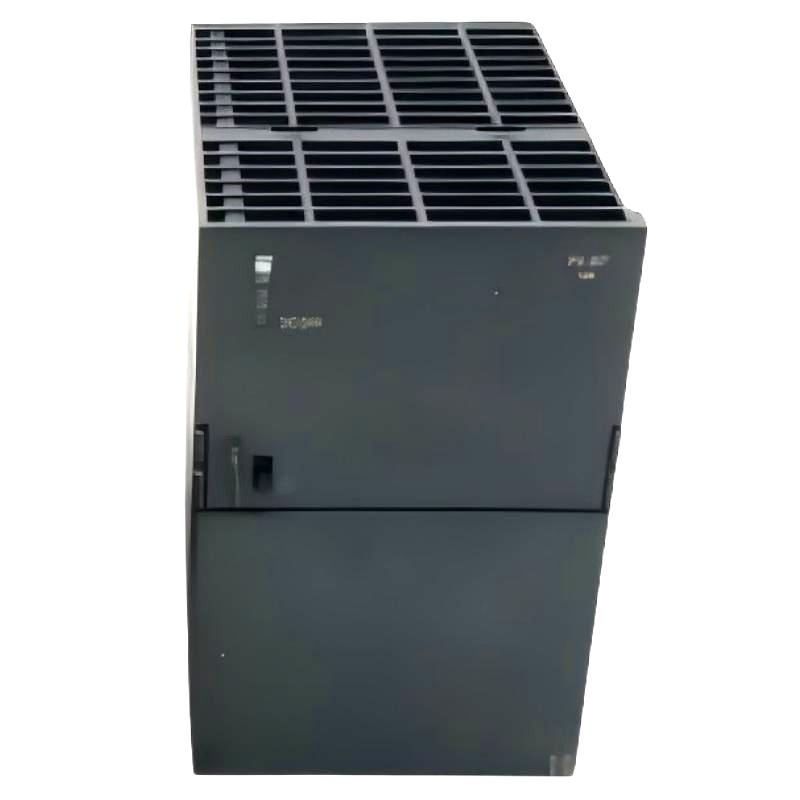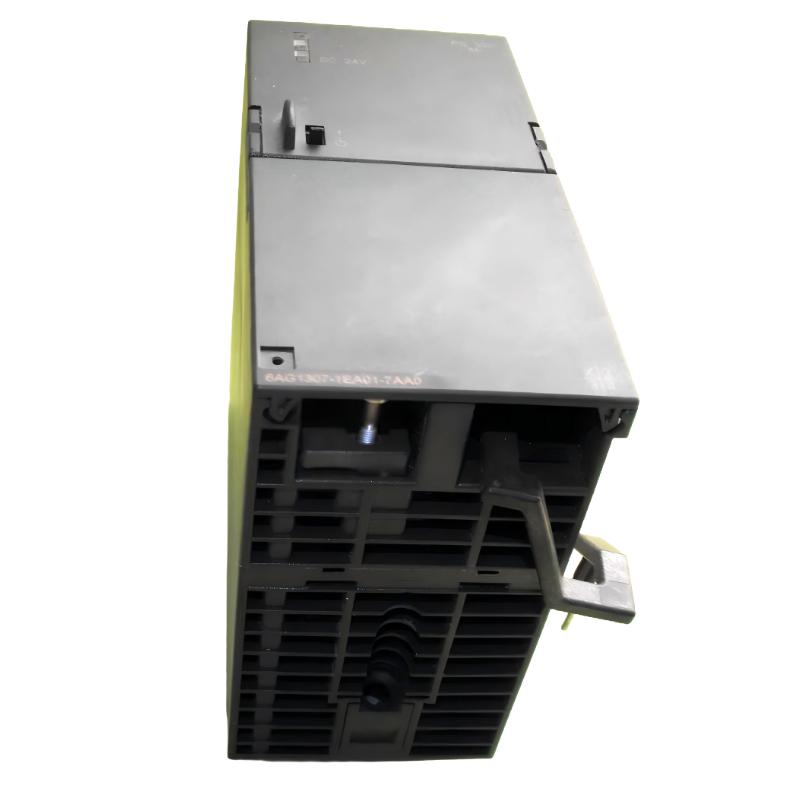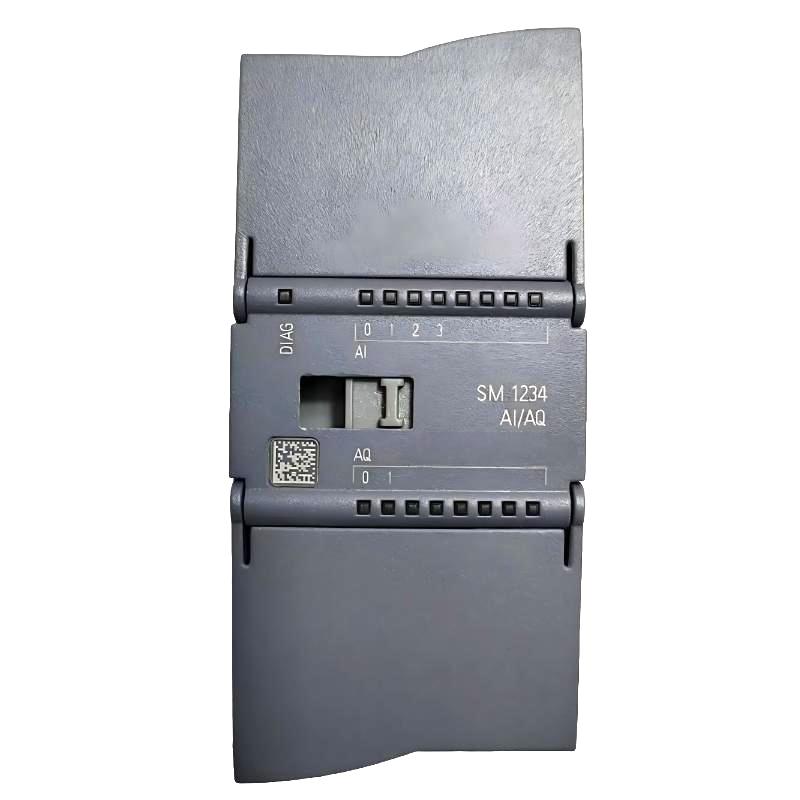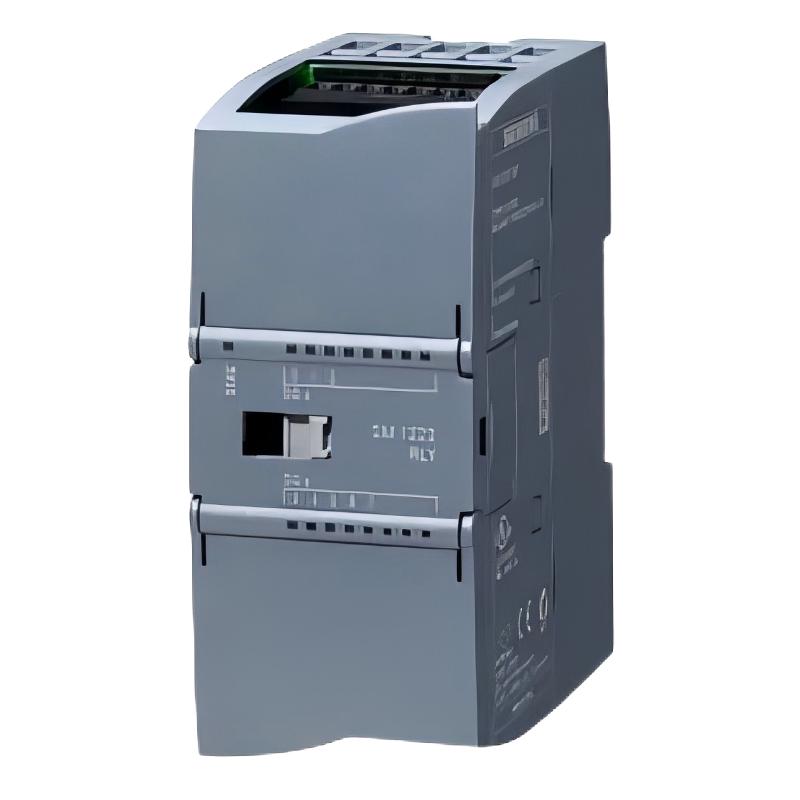
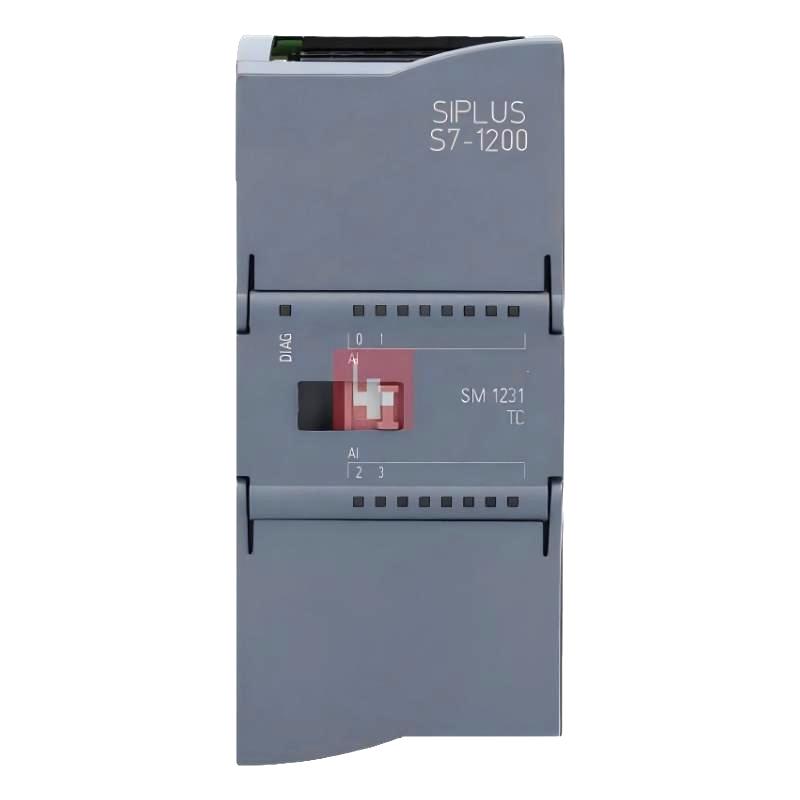
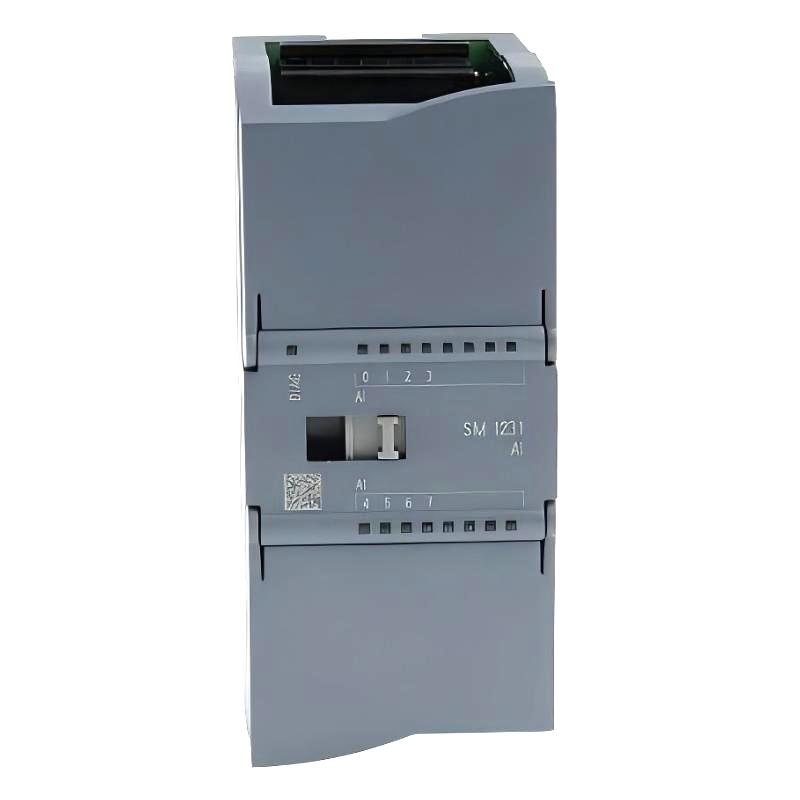
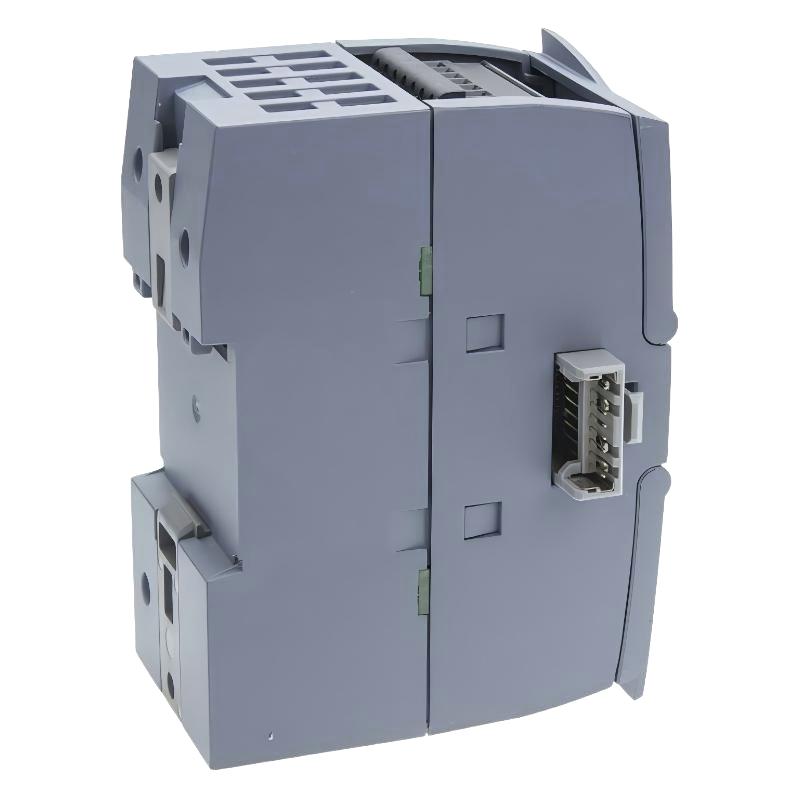
Siemens 6AG1231-5QD32-4XB0 VDC Logic I/O Module
| Company Information | ||||||||
| [email protected] | ||||||||
| Mobile | +8613666084105 | |||||||
| +8613666084105 | ||||||||
| 13666084105 | ||||||||
| Add to | Room 1004, No. 62 Xiangxiu Li, Siming District, Xiamen City, Fujian Province, China | |||||||
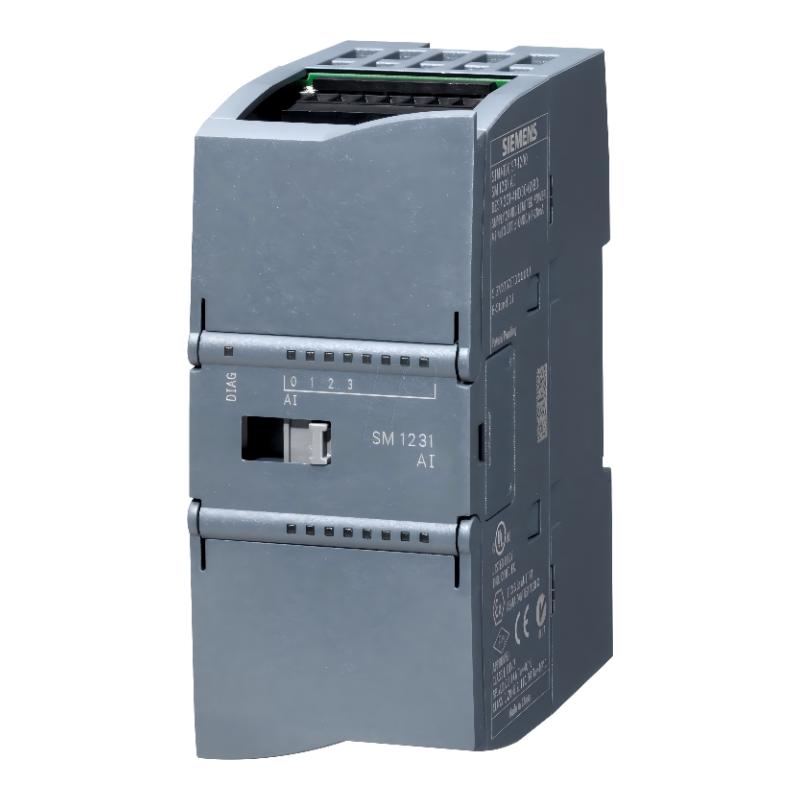
Technical Specifications
| Parameter | Specification |
|---|---|
| Model | 6AG1231-5QD32-4XB0 |
| Brand | Siemens |
| Product Type | VDC Logic I/O Module |
| Dimensions | 107 × 87 × 57 mm |
| Weight | 0.168 kg |
| Application | Industrial automation and control systems |
| Installation Type | Compatible industrial control system installation |
| Function | Industrial signal processing and control |
| System Integration | PLC-based automation systems |
| Installation Requirements | Install according to the applicable hardware specifications and system configuration requirements |
| Wiring Requirements | Follow the designated wiring diagram and verify all electrical connections before powering on |
| Maintenance | Periodic inspection of connections, operating conditions, and diagnostic information |
FAQ
1. What is the primary function of the Siemens 6AG1231-5QD32-4XB0 module?
The Siemens 6AG1231-5QD32-4XB0 is identified as a VDC Logic I/O Module for industrial automation applications. Modules in this category are used to support signal exchange between a control system and connected field devices, helping the controller monitor operating conditions and coordinate equipment responses. In an automation installation, the module’s role depends on the specific hardware configuration, supported signal types, and control program. Before integrating it into an existing system, engineers should verify the complete ordering number and consult the applicable Siemens technical documentation to confirm the module’s exact input and output capabilities.
2. What should be checked before installing the 6AG1231-5QD32-4XB0?
Before installation, verify that the complete model number matches the equipment specification and that the module is compatible with the intended PLC platform. Inspect the module for visible damage, contamination, bent contacts, or other conditions that could affect reliable operation. Confirm that the mounting arrangement, electrical connections, and operating environment meet the applicable hardware requirements. The control cabinet should provide suitable protection against excessive heat, moisture, dust, and electrical interference. Before connecting or removing the module, isolate the relevant power supply and follow the site’s electrical safety procedures. These preliminary checks help prevent installation errors and reduce the risk of damage during commissioning.
3. How can the module be integrated into an existing PLC control system?
Integration begins with confirming the compatibility of the module, PLC hardware, and associated system components. Engineers should review the hardware configuration, connection arrangement, and available engineering software support before installation. Once the module has been installed, configure the hardware according to the manufacturer’s instructions and verify that the controller recognizes the device correctly. The input and output assignments used by the control program must correspond to the actual hardware configuration. After completing the configuration, check the controller’s diagnostic information and test the connected field signals. For an existing production system, it is also important to back up the original program and configuration before making changes.
4. What should be done if the PLC does not recognize the module after installation?
If the PLC fails to recognize the module, begin by checking whether the hardware is correctly seated and whether all required connections are secure. Confirm that the installed part number matches the configured hardware and that the selected PLC platform supports the module. Next, review the controller’s diagnostic buffer, hardware status information, and any reported configuration errors. If the engineering software identifies a mismatch, compare the configured device with the actual hardware and verify the applicable hardware version requirements. Also inspect the power supply and system connections for irregularities. Avoid repeatedly removing or inserting the module while the system is energized. If the problem persists after these checks, record the diagnostic codes and consult the appropriate Siemens documentation.
5. How should signal abnormalities be diagnosed during operation?
Signal abnormalities should be investigated systematically, beginning with the field device and progressing toward the controller. First, inspect the connected sensor, actuator, or other field equipment to determine whether it is operating correctly. Check the wiring for loose terminals, damaged insulation, incorrect connections, and electrical interference. Next, compare the actual field conditions with the values displayed in the PLC monitoring environment. Review the control program to ensure that the correct addresses, data types, scaling settings, and logic conditions are being used. If the abnormality affects multiple channels or devices, investigate shared power supplies and common wiring connections. Documenting when the problem occurs, which signals are affected, and any associated diagnostic messages can help distinguish a hardware fault from a field wiring or programming issue.
6. What maintenance practices can help improve the module’s operational reliability?
Preventive maintenance should focus on the electrical connections, installation environment, and overall condition of the control system. During scheduled inspections, check for loose terminals, damaged cables, corrosion, dust accumulation, and signs of overheating. Make sure the control cabinet’s ventilation and environmental protection remain effective, particularly in installations exposed to vibration, humidity, or airborne contaminants. Review PLC diagnostic records periodically to identify recurring communication errors, signal abnormalities, or unexpected operating interruptions. Maintenance personnel should also keep the module’s identification details, system configuration, and replacement records up to date. Any cleaning, rewiring, or physical inspection that involves electrical connections should be performed under appropriate isolation procedures. The maintenance interval should reflect the operating environment, equipment criticality, and manufacturer’s recommendations.
7. What precautions should be taken when replacing a faulty module?
Before replacing the module, verify the complete ordering number and confirm that the replacement is suitable for the existing hardware configuration. Back up the PLC program and relevant configuration data, and document the original wiring and installation position. Follow the site’s shutdown and electrical isolation procedures before removing the existing unit. During installation, ensure that the replacement is properly seated and that all connections are restored to their correct positions. After installation, inspect the system for wiring errors and confirm that the PLC recognizes the module without diagnostic faults. Test the affected signals and verify the associated control logic before returning the equipment to normal operation. If the module is part of a safety-related or process-critical application, complete the required functional checks and authorization procedures before restarting production.
8. What are the most common reasons for module-related faults, and how can unnecessary replacements be avoided?
Module-related symptoms do not always indicate an internal hardware failure. Common causes of abnormal operation include incorrect wiring, unstable power supplies, incompatible hardware configurations, loose connections, electrical interference, and errors in the PLC program. Environmental conditions such as excessive temperature, moisture, and contamination can also affect long-term reliability. To avoid replacing a functional module unnecessarily, first inspect the external wiring and connected field devices, then review the hardware configuration and diagnostic records. Where permitted by the system design, compare the affected channel with a known-good channel or perform a controlled substitution test using a verified compatible module. Record the results of each test so that the fault can be traced to its actual source. If the evidence points to an internal defect, arrange professional inspection or replacement in accordance with the manufacturer’s service recommendations.
Siemens 6AG1231-5QD32-4XB0 VDC Logic I/O Module is in stock. Please contact us for a quick quote and competitive pricing.
| Company Information | ||||||||
| [email protected] | ||||||||
| Mobile | +8613666084105 | |||||||
| +8613666084105 | ||||||||
| 13666084105 | ||||||||
| Add to | Room 1004, No. 62 Xiangxiu Li, Siming District, Xiamen City, Fujian Province, China | |||||||
Company Introduction
Xiamen Shengruite Trading Co., Ltd. is a company specializing in the supply of industrial PLC spare parts.
We provide high-quality PLC spare parts to customers in the global manufacturing, energy and power, chemical and other fields.
Since its establishment in 2011, after 13 years of rapid development, the cumulative global shipments have reached 223,650 pieces, with an annual output value of US$50 million.
Successfully served more than 500 customers in more than 100 countries and regions including Saudi Arabia, UAE, the United States, Europe, Africa, and Southeast Asia
Our Mission
Provide customers with the best quality PLC spare parts and the fastest delivery service to ensure that their industrial automation systems are always in the best operating condition.
We provide a 1-year warranty service, and we support returns and exchanges for any issues to ensure your rights and interests are fully protected.
We can provide detailed product images upon request, and our team can arrange warehouse photos for confirmation to ensure you have all the information you need before making a purchase.
Shipping times vary depending on your location. With the support of our 16 global warehouses, we strive to deliver orders as quickly as possible. Contact us to get an estimated delivery time for your specific location.
The minimum order quantity (MOQ) is typically one unit. However, for larger orders, please contact us for potential discounts and pricing details.
Yes, we offer competitive pricing for bulk purchases. Please reach out to our sales team with the specifics of your order to receive a custom quote.
We accept various payment methods for wholesale orders, including bank transfers (T/T), letters of credit, and other options upon agreement. For large transactions, please contact us directly for payment terms.
Yes, we offer flexible ordering options for both small and large quantities. Whether youre looking for a single unit or a large batch, we can accommodate your needs.
We occasionally offer promotional discounts for new wholesale customers. Contact us to learn more about any current offers available for first-time buyers.
If you are unsure of compatibility with your existing setup please provide your system details and our support team can verify compatibility prior to purchase.
Returns are accepted within 30 days if the product is unused, unopened, and in its original packaging. Please note that return shipping and associated costs are the buyer\\\\\\\\\\\\\\\\\\\\\\\\\\\\\\\\\\\\\\\\\\\\\\\\\\\\\\\\\\\\\\\\\\\\\\\\\\\\\\\\\\\\\\\\\\\\\\\\\\\\\\\\\\\\\\\\\\\\\\\\\\\\\\\\\\\\\\\\\\\\\\\\\\\\\\\\\\\\\\\\\\\\\\\\\\\\\\\\\\\\\\\\\\\\\\\\\\\\\\\\\\\\\\\\\\\\\\\\\\\\\\\\\\\\\\\\\\\\\\\\\\\\\\\\\\\\\\\\\\\\\\\\\\\\\\\\\\\\\\\\\\\\\\\\\\\\\\\\\\\\\\\\\\\\\\\\\\\\\\\\\\\\\\\\\\\\\\\\\\\\\\\\\\\\\\\\\\\\\\\\\\\\\\\\\\\\\\\\\\\\\\\\\\\\\\\\\\\\\\\\\\\\\\\\\\\\\\\\\\\\\\\\\\\\\\\\\\\\\\\\\\\\\\\\\\\\\\\\\\\\\\\\\\\\\\\\\\\\\\\\\\\\\\\\\\\\\\\\\\\\\\\\\\\\\\\\\\\\\\\\\\\\\\\\\\\\\\\\\\\\\\\\\\\\\\\\\\\\\\\\\\\\\\\\\\\\\\\\\\\\\\\\\\\\\\\\\\\\\\\\\\\\\\\\\\\\\\\\\\\\\\\\\\\\\\\\\\\\\\\\\\\\\\\\\\\\\\\\\\\\\\\\\\\\\\\\\\\\\\\\\\\\\\\\\\\\\\\\\\\\\\\\\\\\\\\\\\\\\\\\\\\\\\\\\\\\\\\\\\\\\\\\\\\\\\\\\\\\\\\\\\\\\\\\\\\\\\\\\\\\\\\\\\\\\\\\\\\\\\\\\\\\\\\\\\\\\\\\\\\\\\\\\\\\\\\\\\\\\\\\\\\\\\\\\\\\\\\\\\\\\\\\\\\\\\\\\\\\\\\\\\\\\\\\\\\\\\\\\\\\\\\\\\\\\\\\\\\\\\\\\\\\\\\\\\\\\\\\\\\\\\\\\\\\\\\\\\\\\\\\\\\\\\\\\\\\\\\\\\\\\\\\\\\\\\\\\\\\\\\\\\\\\\\\\\\\\\\\\\\\\\\\\\\\\\\\\\\\\\\\\\\\\\\\\\\\\\\\\\\\\\\\\\\\\\\\\\\\\\\\\\\\\\\\\\\\\\\\\\\\\\\\\\\\\\\\\\\\\\\\\\\\\\\\\\\\\\\\\\\\\\\\\\\\\\\\\\\\\\\\\\\\\\\\\\\\\\\\\\\\\\\\\\\\\\\\\\\\\\\\\\\\\\\\\\\\\\\\\\\\\\\\\\\\\\\\\\\\\\\\\\\\\\\\\\\\\\\\\\\\\\\\\\\\\\\\\\\\\\\\\\\\\\\\\\\\\\\\\\\\\\\\\\\\\\\\\\\\\\\\\\\\\\\\\\\\\\\\\\\\\\\\\\\\\\\\\\\\\\\\\\\\\\\\\\\\\\\\\\\\\\\\\\\\\\\\\\\\\\\\\\\\\\\\\\\\\\\\\\\\\\\\\\\\\\\\\\\\\\\\\\\\\\\\\\\\\\\\\\\\\\\\\\\\\\\\\\\\\\\\\\\\\\\\\\\\\\\\\\\\\\\\\\\\\\\\\\\\\\\\\\\\\\\\\\\\\\\\\\\\\\\\\\\\\\\\\\\\\\\\\\\\\\\\\\\\\\\\\\\\\\\\\\\\\\\\\\\\\\\\\\\\\\\\\\\\\\\\\\\\\\\\\\\\\\\\\\\\\\\\\\\\\\\\\\\\\\\\\\\\\\\\\\\\\\\\\\\\\\\\\\\\\\\\\\\\\\\\\\\\\\\\\\\\\\\\\\\\\\\\\\\\\\\\\\\\\\\\\\\\\\\\\\\\\\\\\\\\\\\\\\\\\\\\\\\\\\\\\\\\\\\\\\\\\\\\\\\\\\\\\\\\\\\\\\\\\\\\\\\\\\\\\\\\\\\\\\\\\\\\\\\\\\\\\\\\\\\\\\\\\\\\\\\\\\\\\\\\\\\\\\\\\\\\\\\\\\\\\\\\\\\\\\\\\\\\\\\\\\\\\\\\\\\\\\\\\\\\\\\\\\\\\\\\\\\\\\\\\\\\\\\\\\\\\\\\\\\\\\\\\\\\\\\\\\\\\\\\\\\\\\\\\\\\\\\\\\\\\\\\\\\\\\\\\\\\\\\\\\\\\\\\\\\’s responsibility.
Yes, we offer technical support for the installation and integration of our products. Our team can assist with setup, configuration, and troubleshooting to ensure a smooth installation.